Wild Meadow Grass Seed
Our Wild Meadow Grass Seed transforms into a buzzing biodiversity bonanza! An eco-system so lively it’s practically crawling with charm! It nurtures wild birds, shelters tiny mammals, and rolls out the green carpet for an incredible cast of invertebrates, turning your space into a truly un-bee-lievable habitat.

- Ideal grass to create a wildflower lawn
- Slow-growing, drought-resistant grasses
When you’ve got tricky-to-reach spots or just want to cut back on mowing, our Slow Grow and Wildflower Companion Grass Seed is the perfect fit! This cheerful mix of slow-growing, drought-resistant grasses can be kept neatly short or allowed to stretch out into a relaxed, natural meadow. You can even team it up with wildflowers for an extra touch of colour and charm.
- 25% chewings fescue
- 60%...
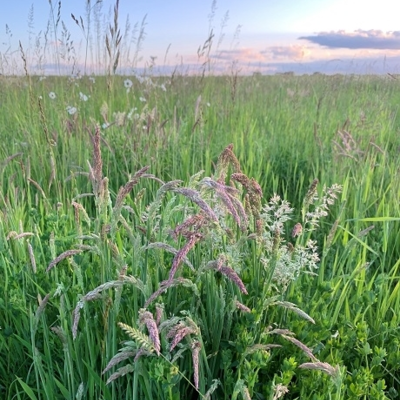
- Creates a natural meadow of beautiful wild grasses
- Low maintenance sward of attractive grasses
Create a natural landscape of beautiful wild meadow grasses - perfect for large areas, road verges, field margins and difficult to mow areas. This mix is designed to produce a low maintenance sward of attractive grasses, either to be sown on its own or combined with the wildflower seeds of your choice. Grass meadows are an intrinsic part of the UK countryside and provide vital habitat for a huge r...
Looking for something else?
Discover our full range of wildflower seeds, from individual UK-native wildflower seed species to carefully balanced wildflower mixtures designed for meadows, gardens, and specific soils.
Wild Meadow Grass Seed FAQs
What Is Wild Meadow Grass Seed?
Wild meadow grass seed is a grass-focused seed mixture designed to establish natural meadow grassland using native British grass species rather than flowering wildflowers.
A wild meadow grass seed mix contains carefully selected grasses that reflect traditional English meadow character. Unlike wildflower seed mixtures, which prioritise colour and nectar sources, this type of mix is structured around grass species that create a stable, long-term sward. It is also different from blended meadow mixes that combine grasses and flowers in one product. Wild meadow grass seed is intentionally grass-led.
This approach makes it suitable for establishing the base layer of meadow habitats, restoring grassland structure, or creating naturalistic rural landscapes. In the UK, native wild meadow grass seed is commonly used where durability, authenticity, and long-term land management matter more than immediate flowering displays.
Why Choose Wild Meadow Grass Seed for Natural Landscapes?
Choosing wild meadow grass seed is not about creating a bright display. It is about restoring grassland character.
A true meadow sward has texture rather than colour dominance. You see variation in leaf shape, height, and movement across the ground. The result feels closer to traditional English countryside grassland than to a garden lawn or ornamental planting.
Because this is a grass-led mixture, native wild meadow grass seed settles into lower fertility soils without demanding improvement. It does not rely on feeding or intensive management. Once rooted, it forms a durable base that responds well to seasonal cutting rather than constant intervention.
Across the UK wild meadow grass seed market, suitability to British conditions matters. Native meadow grasses cope with wet winters, variable springs, and slower summer growth without collapsing or becoming coarse. That stability makes them appropriate for estate land, field margins, conservation schemes, and wider rural spaces where long-term land management is the priority.
What Does a Wild Meadow Grass Seed Mix Contain?
A wild meadow grass seed mix is built around native meadow grasses rather than flowering species. It is structured to create a balanced, long-term sward that reflects traditional British grassland.
Typical mixes include slower-growing meadow grasses such as fine-leaved fescues and other native pasture types suited to low fertility soils. These grasses form the backbone of natural meadow systems, providing density at ground level while allowing space and light movement through the sward.
This is where Landlife Wildflower’s products differ from agricultural pasture seed. High-vigour ryegrasses and fast-growing forage varieties are avoided. Those species are bred for productivity, not habitat structure, and they quickly dominate mixed ground.
By contrast, British wild meadow grass seed is selected for compatibility, persistence, and suitability to meadow management rather than intensive farming. The result is steady ground coverage that develops over time instead of racing away in the first season.
It is important to be clear that this is not a wildflower blend. There are no flowering species included. Wild meadow grass seed is intended to establish the grass framework of a meadow. Actual wildflowers can be introduced later if required, but the foundation remains grass-led and stable.
How to Plant Meadow Grass Seed Successfully
Establishing a meadow in a wild area begins with proper ground preparation. Existing vegetation must be removed fully rather than simply cut back. Persistent grasses and perennial weeds will compete immediately if left in place.
Low fertility soil is important. Avoid adding compost or fertiliser, as richer ground encourages stronger, coarser growth. Meadow grasses perform better where nutrient levels are modest and competition is limited.
Once cleared, cultivate the top layer to create a fine, level surface. The ground should be firm underfoot but not compacted. Broadcasting evenly by hand or spreader works well. A light raking afterwards ensures good seed-to-soil contact without burying seed too deeply. Typical sowing rates for a wild grass seed mix for UK conditions varies depending on site size, but even coverage is more important than density.
After sowing, allow natural rainfall to settle the surface. Germination usually begins within a few weeks in suitable conditions. Early growth can look sparse, which is normal. Meadow grasses establish steadily rather than rapidly, building strength below ground before forming a thicker sward above.
Patience during the first season makes a difference. The aim is gradual development, not instant cover.
When to Sow Meadow Grass Seed in England and the UK
Across England and wider British conditions, sowing is usually most reliable in spring or early autumn. Soil moisture matters more than calendar dates. Ground should be workable, not waterlogged, and warm enough to support steady germination.
Autumn sowing allows roots to develop before winter, leading to stronger growth the following spring. Spring sowing works well where soil drains freely and temperatures are rising.
Early growth may appear slow. Meadow grasses establish gradually, forming root systems before visible density increases. Consistency in conditions, rather than speed, determines success.
How to Establish and Manage Meadow Grass Long Term
Early establishment focuses on control rather than intervention. Light cutting in the first season helps prevent annual weeds from seeding without damaging young grasses. Avoid close mowing, as meadow swards develop best when allowed to build strength gradually.
Once established, management is straightforward. One or two seasonal cuts are usually sufficient, with arisings removed to prevent fertility build-up. Over time, a stable grass structure forms, suited to meadow grass seed in the wild and larger natural areas.
This type of planting is designed for longevity. It does not produce instant density but develops into a durable grassland surface that supports long-term land use without intensive maintenance.
Is Meadow Grass Seed Good for Wildlife and Biodiversity?
Grassland built from British wild meadow grass seed creates structure rather than spectacle. The sward provides shelter for invertebrates and small mammals, while varied grass heights offer protection and nesting material for birds.
A well-managed grass meadow supports ecological layering. The grasses form cover at ground level, moderate soil temperature, and reduce erosion. Over time, this stable base can also support later introduction of flowering species if a more diverse habitat is required.
For conservation schemes and larger rural spaces, meadow grass seed for wild areas plays a long-term role. It establishes habitat continuity without intensive inputs, supporting biodiversity through structure and resilience rather than seasonal colour alone.
What is wild meadow grass seed used for?
It is used to establish natural meadow grassland using native British grass species suited to rural landscapes, conservation projects, and larger wild areas.
How long does wild meadow grass seed take to establish?
Germination usually begins within a few weeks, but a stable meadow sward typically develops over one to two growing seasons.
When is the best time to sow meadow grass seed?
Spring and early autumn are generally the most reliable sowing periods across England and the wider UK, provided soil conditions are suitable.
Does meadow grass seed require regular maintenance?
Once established, maintenance is low and usually limited to seasonal cutting and removal of arisings to keep fertility down.
Can meadow grass seed be used in large fields or wild areas?
Yes. It is particularly suited to fields, estate land, conservation areas, and broader countryside settings where long-term grassland structure is required.
Buy With Confidence

Landlife Wildflowers grow and supply high-quality, native wildflower products, restoring wildflowers right across the UK. Working in conjunction with wildlife charity, Buglife, we’re bringing back Britain’s treasured wildflowers! Find out more about why we’ve been trusted by the general public, Natural England and The National Trust for over twenty years.
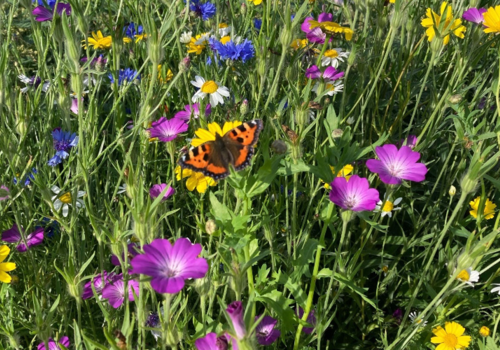
We’re proud to supply only the highest-quality, native wildflower products - tried, tested and refined by us for two decades to ensure each and every customer is delighted with their purchase. Find out more about our commitment to the supply of native, provenance-assured wildflower products to restore Britain’s natural wildflower habitats for bees, butterflies, birds and wildlife.

If you have any questions or would like to get in touch, our team of wildflower experts are on hand to guide you every step of the way. We love talking about wildflowers and the quality of our products, and are pleased to help with any enquiry, including how to establish wildflowers, product recommendations and even creating custom mixtures for specific projects.