Butterfly and Bee Wildflower and Grass Seed Mixture LWBM 80/20
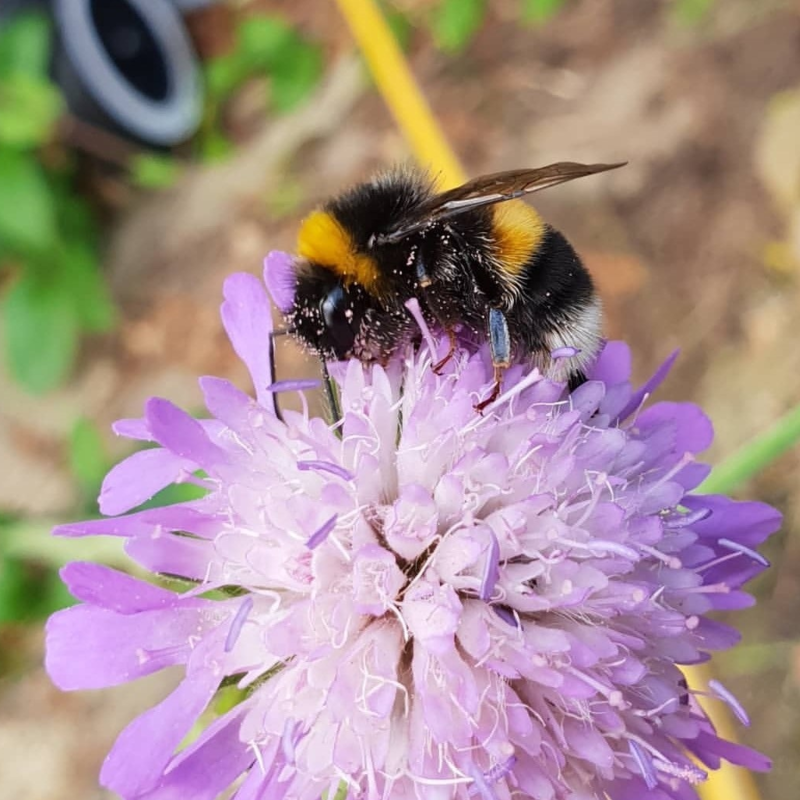
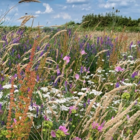
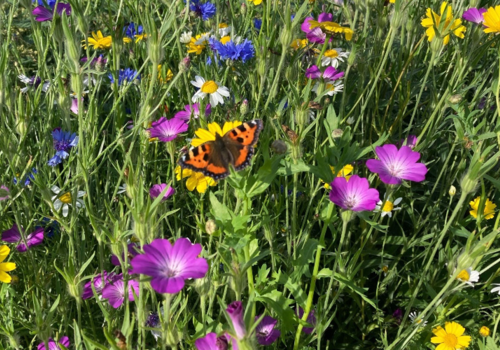
Beautiful for your garden and beneficial to bees, butterflies and other pollinators. For this flower seed mixture we’ve chosen the best wildflowers for bees and butterflies - a treasure trove of nectar-rich wildflowers recommended by the RHS, along with a wide variety of perennials and grasses to develop a hearty habitat for passing pollinators. The combination of native flowers and meadow grasses will help accomplish the ultimate food source to attract butterflies and bees.
- This mix contains 26 different flower species and 6 meadow grasses
- Sowing Rate: 5 grams per sq/m - 1kg covers 200sq/m
Mixture specifications, sowing instructions and maintenance can be found below.
| Common Name | Latin Name | Quantity | Flowers | Height | Type | |
|---|---|---|---|---|---|---|
| 1 | Agrimony, Common | Agrimonia eupatoria | 0.2% | Jun - Sep | 50 - 150cm | Perennial |
| 2 | Borage | Borago officinalis | 1.4% | Aug-Sep | 60 - 80cm | Annual |
| 3 | Clary, Wild | Salvia verbenaca | 0.8% | May - Aug | 30 - 40cm | Perennial |
| 4 | Clover, Red | Trifolium pratense | 0.6% | May - Sep | 20 - 60cm | Perennial |
| 5 | Clover, White | Trifolium repens | 0.2% | Jun - Sep | 15 - 20cm | Perennial |
| 6 | Corn Cockle | Agrostemma githago | 1.6% | May - Aug | 50 - 70cm | Annual |
| 7 | Cornflower | Centaurea cyanus | 1.2% | Jun - Oct | 20 - 80cm | Annual |
| 8 | Daisy, Ox-eye | Leucanthemum vulgare | 1% | May - Sep | 20 - 100cm | Perennial |
| 9 | Foxglove, Wild | Digitalis purpurea | 0.6% | Jun - Aug | 50 - 100cm | Biennial |
| 10 | Knapweed, Common | Centaurea nigra | 1.2% | Jun - Sep | 30 - 80cm | Perennial |
| 11 | Knapweed, Greater | Centaurea scabiosa | 1% | Jun - Sep | 50 - 90cm | Perennial |
| 12 | Loosestrife, Purple | Lythrum salicaria | 0.2% | Jun - Sep | 100 - 200cm | Perennial |
| 13 | Marjoram, Wild | Origanum vulgare | 0.2% | Jul - Oct | 20 - 50cm | Perennial |
| 14 | Meadow Cranesbil | Geranium pratense | 0.2% | May-Aug | 40 - 60cm | Perennial |
| 15 | Musk Mallow | Malva moschata | 1% | May - Sep | 20 - 150cm | Perennial |
| 16 | Poppy, Common | Papaver rhoeas | 1% | May - Jul | 50 - 70cm | Annual |
| 17 | Ragged Robin | Lychnis flos-cuculi | 0.4% | May - Aug | 30 - 90cm | Perennial |
| 18 | Sainfoin | Onobrychis viciifolia | 1.4% | Jul - Sep | 30 - 40cm | Perennial |
| 19 | Scabious, Field | Knautia arvensis | 1.4% | Jul - Sep | 30 - 200cm | Perennial |
| 20 | Scabious, Small | Scabiosa columbaria | 0.6% | Jul - Aug | 20 - 60cm | Perennial |
| 21 | Teasel | Dipsacus fullonum | 0.2% | Jul - Aug | 100 - 200cm | Biennial |
| 22 | Trefoil, Bird's-foot | Lotus corniculatus | 0.4% | Jun - Aug | 10 - 40cm | Perennial |
| 23 | Vetch, Kidney | Anthyllis vulneraria | 0.4% | May - Oct | 15 - 50cm | Perennial |
| 24 | Viper's Bugloss | Echium vulgare | 0.4% | May - Oct | 50 - 100cm | Biennial |
| 25 | Yarrow | Achillea millefolium | 1% | Jun - Oct | 20 - 100cm | Perennial |
| 26 | Yellow Rattle | Rhinanthus minor | 1.4% | Jun - Sep | 20 - 50cm | Annual |
| Bent, Common | Agrostis castellana | 4% | 50 - 100cm | Grass | ||
| Crested Dogstail | Cynosurus cristatus | 20% | 30 - 60cm | Grass | ||
| Fescue, Sheeps | Festuca ovina | 16% | 15 - 50cm | Grass | ||
| Fescue, Slender Creeping Red | Festuca rubra, litoralis | 24% | 10 - 20cm | Grass | ||
| Meadow Grass, Smooth Stalked | Poa pratensis | 6.4% | 30 - 90cm | Grass | ||
| Timothy, Small Leaved | Phleum pratense ssp Bertolinii | 9.6% | 50 - 100cm | Grass |

Prepare the Ground
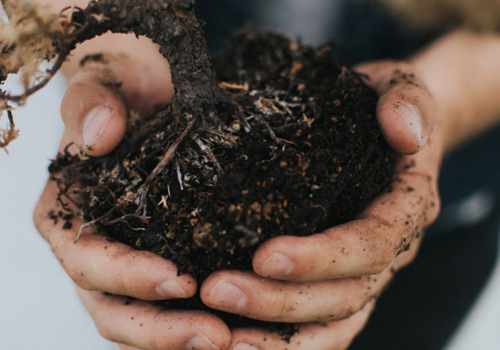
Our Butterfly & Bee Wildflower seed mix with meadow grass performs best in low nutrient soils, which haven’t been heavily fertilised in the past. For best results sow into bare soil after clearing all existing plants and weeds from the area.
Cultivate the ground to a depth of 10cm to relieve compaction and create a fine level tilth, free from obstructions (to allow for mowing at a later stage). Finish the seedbed by treading or lightly rolling the area, so that it is firm enough to stand on without leaving indentations.
Where weeds have been prevalent, allow a flush of weeds to germinate and remove these before sowing.
In areas of high fertility, it may be necessary to remove the topsoil and sow into the subsoil. High nutrient soils encourage weeds and fast growing grasses which may outcompete the wildflowers in this mixture.
Sowing
This bee wildflower mix should be sown between March and June or September to October. Spring and autumn provide ideal conditions as moisture and warmth are in good supply.
Distribute seed with a handheld spreader, at the recommended sowing rate of 5g/sqm.
For best results mix the wildflower seeds with an inert carrier (such as sharp sand), at a ratio of four parts sand to one part seed (by weight).
This makes it easier to achieve an even distribution and also provides a visual marker, making it easier to see any missed patches and avoid seeding areas twice.
Regularly mix the seed when sowing, as seeds will naturally separate due to variations in size and weight.
Once sown, ensure good ‘seed to soil’ contact by lightly raking to a depth of 0.5cm or rolling the area.
It is also possible to broadcast, drill or hydroseed this mixture for larger or hard to reach areas. However, broadcast spreading throws heavier seeds further so this may impact the distribution and when drilling, the seed must not be buried deeper than 0.7cm.
Sowing Rate
The sowing rate of 5g/sqm is designed to produce optimum results. Reducing the sowing rate is likely to result in invasion from weed species.
Increasing the sowing rate generally leads to reduced diversity as the more aggressive species will outcompete slower growing plants.
First Year
This bee friendly wildflower mix contains many perennial species, which can be slow to establish and are unlikely to flower in the first year. Annual species such as Borage, Corncockle, Cornflower and Field Poppy will generally flower in year one. Therefore it is important to control weed and grass growth in year one.
Remove any weeds either by topping, mowing or by hand for smaller areas. Weed growth is common due to the action of disturbing the ground (rather than being caused by contaminated seed mixtures).
The nurse grasses within this mix are the first to grow and require topping or mowing in March and again in May.
Remove all clippings to ensure the grass canopy doesn’t interfere with the germination and spring growth of the wildflowers.
In September / October cut the area to 10cm using a scythe, strimmer or mower, leaving the cuttings for up to a week before removing. This allows them to dry and shed seeds back into the soil. Mow or graze the re-growth through autumn/ winter and again in early spring if needed.
Second Year
After twelve months the sward should be well established. Simply follow the same cutting pattern (in March and September/October). Avoid cutting from mid spring to summer to ensure best flowering results.
As an ongoing process, observe and remove any weeds which invade the area.
Over time, some species within the mixture may become more dominant due to environmental factors and natural selection. To encourage diversity, simply reduce the number of dominant plants in order to restore the balance.
Customers who bought this also bought:
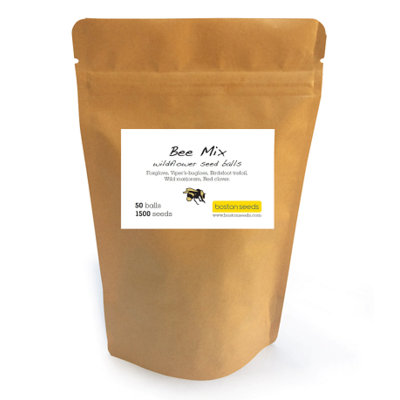
A mix of native wildflowers that the bees are bound to love! This carefully formulated mix includes selected species all recommended as bee-friendly plants by the Bumblebee Conservation Trust to attract solitary bees, honey bees and bumblebees; with an added splash of annuals for instant colour.
- Seed Mix including Birdsfoot Trefoil, Foxglove, Red Clover, Viper's Bugloss and Wild Marjoram
- Bes...
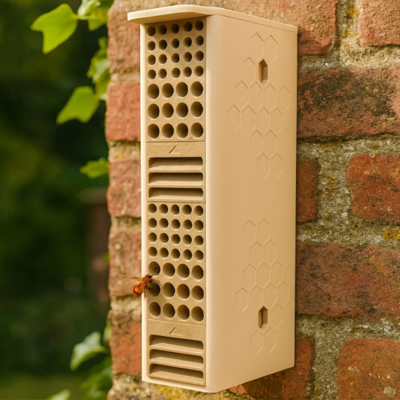
- Designed in Partnership with Buglife
- Eco-Friendly & Biodegradable
Support pollinators and wildlife with BugBlocks, a modular bug hotel designed in partnership with Buglife. This innovative bug hotel is made from eco-friendly, biodegradable materials with a blend of cornstarch PLA and recycled wood fibres. This not only reduces environmental impact but also ensures durability and weather resistance while retaining a natural, wood-like finish.
Each block is tail...
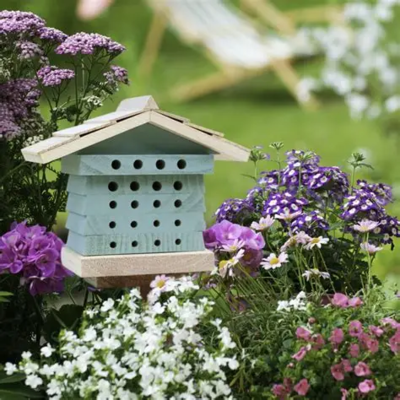
- Made for Solitary Bees to Rest & Nest Over the Winter
- Made from Eco-Friendly FSC Certified Timber
Give your garden some buzz with our charming Bee Hotel! This friendly little home is perfect for solitary bees to nest, rest, and explore. Made from eco-friendly FSC-certified timber, it’s a safe, durable, and delightful way to welcome hardworking pollinators into your outdoor space.
- Made for Solitary Bees to Rest & Nest Over the Winter
- Made from Eco-Friendly FSC Certified Timber
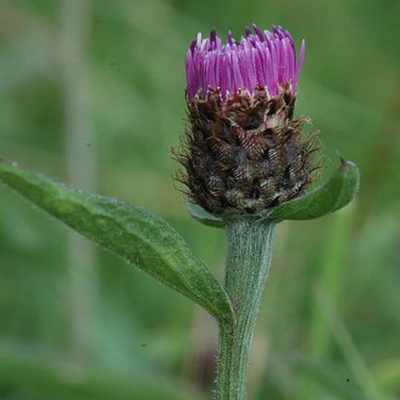
- Purple perennial, flowers June-Sept.
- Member of the thistle family.
Common knapweed or hardheads is a colourful meadow plant of the thistle family. Tight purple flowers, with lance-shaped leaves. Forms dense clumps over time, ideal for sunny meadows and hedgebanks.
- Height: 30 - 60cm
- Flowers: June - September
- Soil Requirement: Well-drained
- Light Requirement: Full sun and partial shade
- Seeds per gram: 500
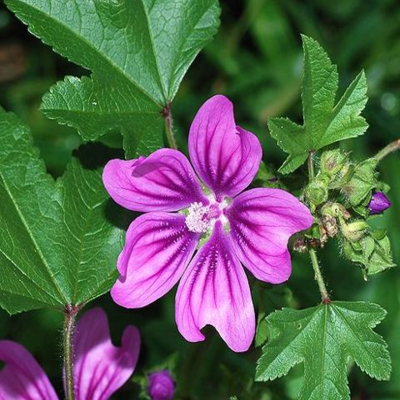
- Pink perennial, flowers June-Sept.
- Adaptable to most soil types.
Large resilient bushy perennial wildflower plant, favouring sunny open areas. With ivy-shaped leaves, and dark pink flowers. Well placed at the back of borders but adaptable to many diverse habitats.
- Height: 30 - 90cm
- Flowers: June - September
- Soil Requirement: Well-drained
- Light Requirement: Full sun
- Seeds per gram: 150
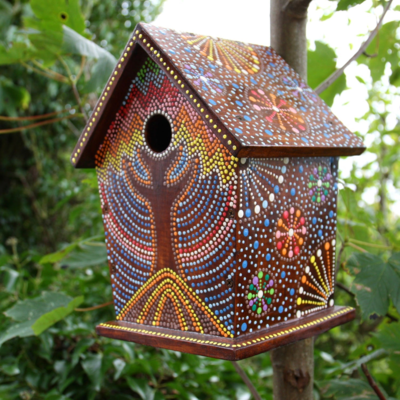
- Carefully Hand-Painted
- Made from Sustainably Sourced Timber
This cosy nest box is the perfect little hideaway for small birds, offering a safe and snug place to roost, rest, and nest from autumn right through to spring! Just in time for raising their hatchlings! Each box is lovingly handcrafted and hand-painted using traditional techniques, and made from sustainably sourced timber, so it’s as kind to the planet as it is to its feathered guests.
- Carefu...
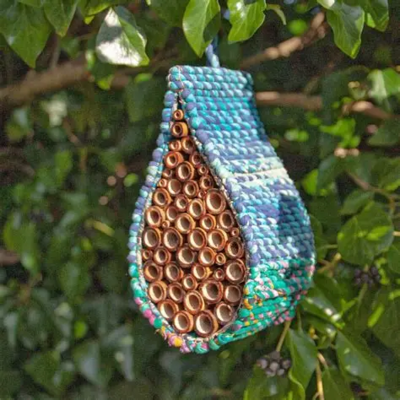
- Handcrafted in Bangladesh
- Crafted from Recycled Saris
These Bee Nesters are handmade in Bangladesh from recycled saris, turning vibrant textiles into beautiful homes for bees while helping support families out of poverty. No two are ever the same, making each Artisan Bee Nester completely unique and full of character.
- Handcrafted in Bangladesh
- Crafted from Recycled Saris
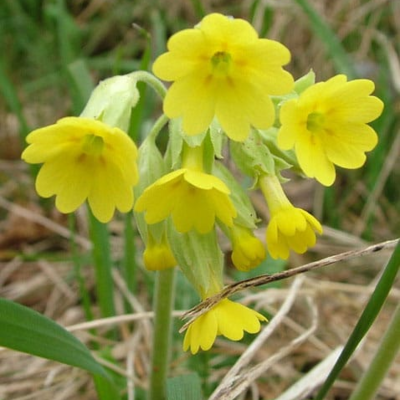
- Source of nectar for pollinators.
- Yellow perennial, blooms April-May.
A beautiful native perennial wildflower plant growing in grassland and meadows. The deep yellow flowers are grouped on upright stalks growing from rosettes of crinkled leaves. Cowslip wildflower plants are a good nectar source for butterflies and bees. Cowslips are the food plants of the caterpillars of the Duke of Burgundy Fritillary.
- Height: 10 - 30cm
- Requires: Dry grassland & scrubland
- Flo...
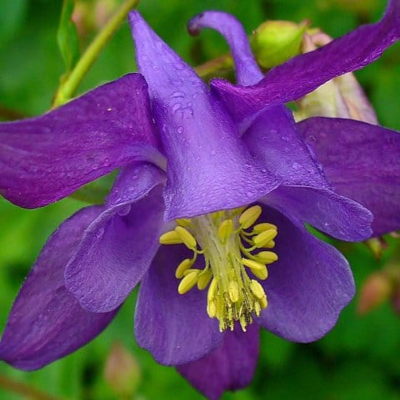
- Prefers damp soils.
- Violet perennial, blooms June-July.
This distinctive perennial is often found at woodland edges and roadsides, long-stalked with long-spurred blue-violet flowers. Aquilegia plug plants attract bees and butterflies.
- Height: 60cm
- Requires: Damp woods, dry and damp grasslands
- Flowers: June - July
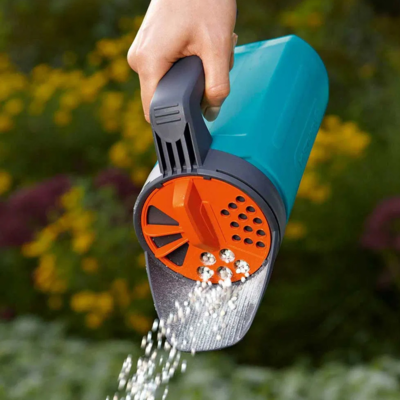
- Easy to use - simply fill and shake!
- Robust and hard-wearing for long-term use
Our easiest to use spreader for simple and accurate application. No assembly required, simply fill and shake. Ideal for patching lawns, spreading wildflower seeds and applying lawn fertiliser. Versatile and lightweight with three flow settings.
- Easy to use - simply fill and shake!
- Suitable for grass seed, wildflower seed and fertilisers
- Robust and hard-wearing for long-term use
- Accurate distribution...
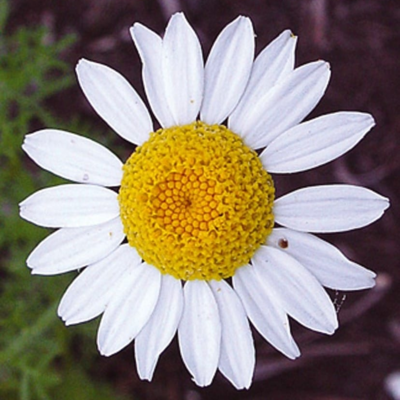
- White annual, flowers May-July.
- Pleasant, apple-like aroma.
The delightful white daisy flowers of this annual wildflower were once a common sight in cornfields. It is now much rarer due to the widespread use of selective herbicides. It has a compact upright habit, ideal for use on borders that will leave a strong, sweet scent similar to apples.
- Height: 20 - 30cm
- Flowers: May - July
- Soil Requirement: Well-drained
- Light Requirement: Full sun
- Seeds p...
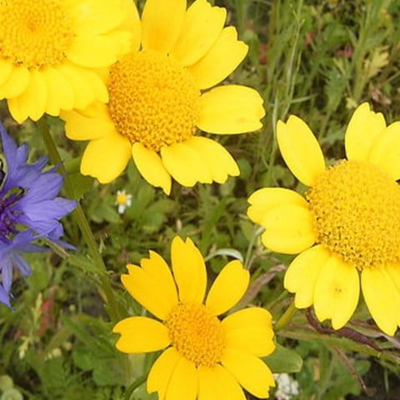
- Yellow annual, flowers June-Oct.
- Golden blooms, perfect as cut flowers.
Glorious annual wildflower seeds are very like a single Chrysanthemum. A fitting addition to beds and borders giving an understated delicious fragrance and can be used as cut flowers. Prolific in its production of wildflowers.
- Height: 15 - 45cm
- Flowers: June - October
- Soil Requirement: Well-drained
- Light Requirement: Full sun
- Seeds per gram: 400
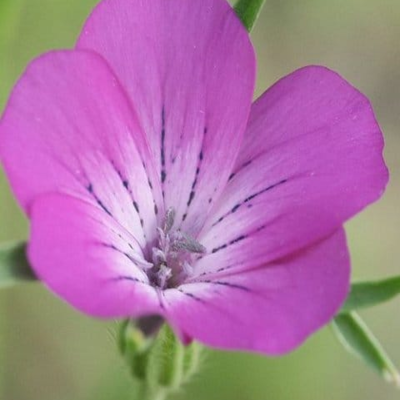
- Purple annual, flowers June-Aug.
- Large seeded and very easy to grow.
Once common in the cornfields of England, this wildflower has reddish-purple and solitary with undivided petals on a tall, furry stem. This wildflower seeds itself very prolifically and is related to other campions.
- Height: 60 - 120cm
- Flowers: June - August
- Soil Requirement: Sandy, well-drained
- Light Requirement: Full sun
- Seeds per gram: 80
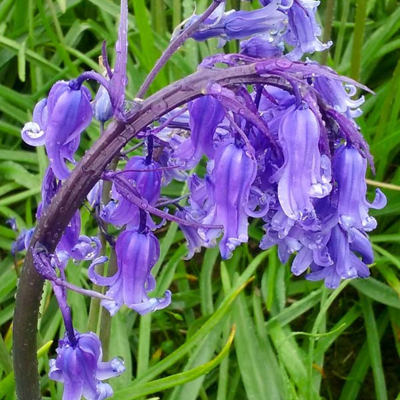
Easily grown from bulbs, Bluebells are ideal to add into woodlands and gardens to create swathes of blue in the Spring. Our stocks are pure British bluebells, carefully selected and lifted under license.
- Flowers: April-June
- Height: 30-40 cms
- Bulb size: 5+cm
- UK native
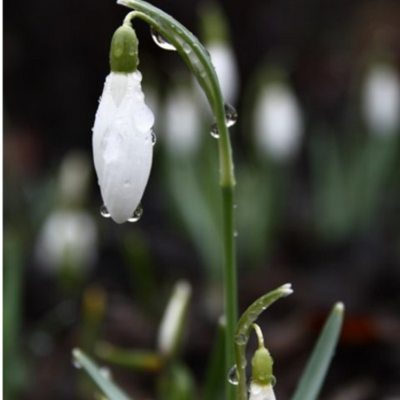
Also known as the 'common snowdrop' these bulbs are very widespread and will produce a clump of small beautiful white flower heads. Galanthus nivalis has been awarded the Award of Garden Merit for outstanding excellence by the Royal Horticultural Society.
- Flowers: February-March
- Height: 10-20cm
- Bulb size: 4/5cm
- UK native
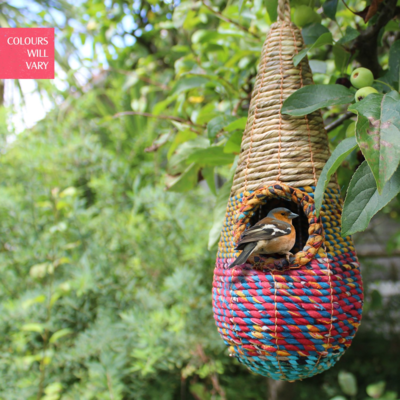
- Made from Recycled Saris & Natural Seagrass
- Handcrafted in Bangladesh
The Tahera Artisan Bird Nester is a circular wild bird nester. This shape offers a smaller cavity for the smaller species of garden birds offering a cosy place to roost in during the harsh winter. In the springtime, this doubles up as a suitable nest for smaller birds.
The sturdy inner frame provides good support, attached to strong metal hooks that make this easy to attach in your garden among...
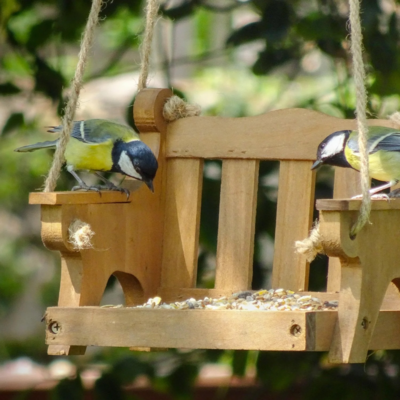
The Lutyens Swing Seat feeder is a unique and attractive feeder that is inspired by the classic English country house style of architect Edwin Lutyens. The Lutyens feeder is made from FSC certified timber from well-managed sources and features a removable and washable hygienic feed tray.
- Suitable for a range of feed types such as seeds, nuts, mealworms or scraps.
- It is perfect for feeding smal...
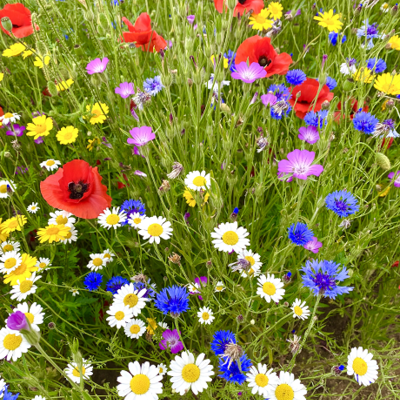
- 5 colourful cornfield annuals - red, blue, purple, white & yellow
- Includes poppy, cornflower, corn marigold, corncockle & corn chamomile
Behold, this boldly-coloured combination of our most popular annual wildflower seeds! The classically-charming Chamomile, the distinct and beautiful blue petals of the Cornflower, bright yellow Marigold wildflowers and rich red Poppies, make for a vibrant palette that works well on its own or bolstering a perennial patch for some first year colour.
- All the flowers in this collection are recommended by the RHS as ‘Perfect for Pollinators’...
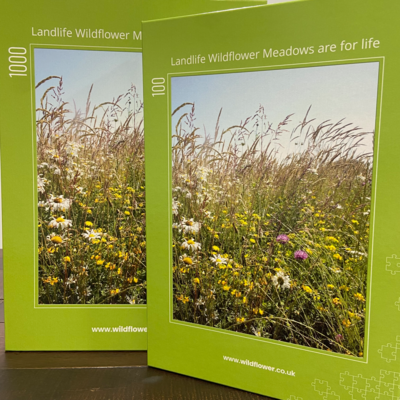
A beautifully traditional meadow jigsaw puzzle. Showcasing the natural variety of Wildflowers and grasses that we might walk passed every day like the delicate Ox-eye daisy and the vibrant Common knapweed.
- Made from thick, durable board
- Completed Size (100 Piece*): 48 x 36cm
- Completed Size (1,000 Piece): 64 x 48cm
- Each puzzle is carefully enclosed in a rustic gift box
*100 Piece Puz...
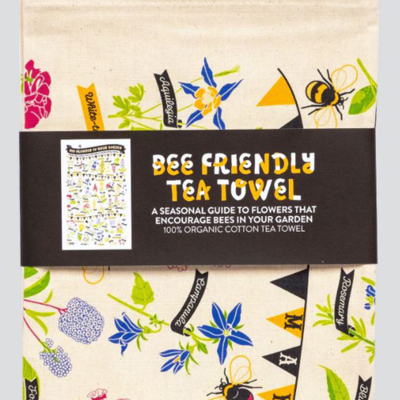
Created using unbleached and organic cotton, this unique tea towel features a guide to seasonal wildflowers perfect for bees and other pollinators - a delightful addition to any kitchen!
Designed and produced in collaboration with Friends of the Earth to increase awareness of the vital contribution bees make to our food supply, economy and quality of life.
- Organic and unbleached
- Size - 48cm...
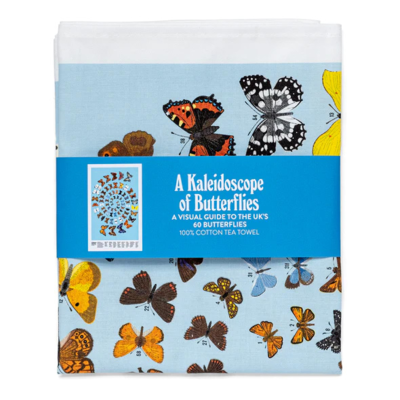
A brand new edition to our range showcasing 60 wonderful native and migrant Butterflies that are in need of our support to help stop the decline in numbers that we are sadly seeing with how the environment is changing.
This tea towel has been designed and produced in collaboration with Friends of the Earth and provides a good guide for all the species you may see in your own garden.
- 100...
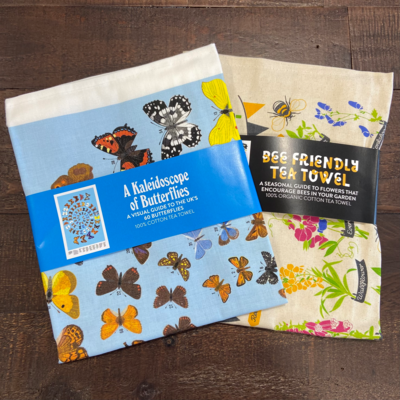
This unique tea towel bundle will feature a seasonal guide to pollinators and butterflies, of wish you may find in your own garden!
This tea towel has been designed and produced in collaboration with Friends of the Earth and provides a good guide for all the species you may see in your own garden.
- 100% Cotton tea towel
- Size - 48cm x 76cm / 19” x 30”
- Wash Max 50°C
- 75p donated to Fri...
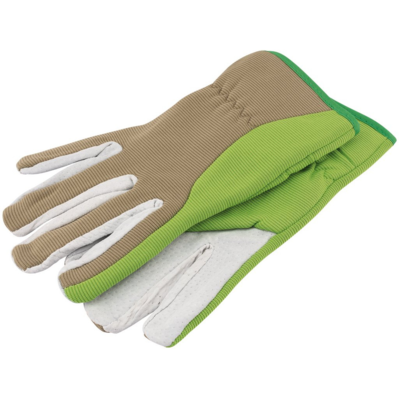
- Medium duty
- Available in 2 sizes
Built for brambles, borders, and everything in between. Tough on the outside, comfy on the inside; perfect for getting stuck in without roughing up your hands! These sturdy gloves are your new garden sidekick, made from tough leather for reliable use, season on season!
- Fantastic all-round protection for gardening tasks
- Breathable elasticated back and open cuffs ensure hands remain comfortable
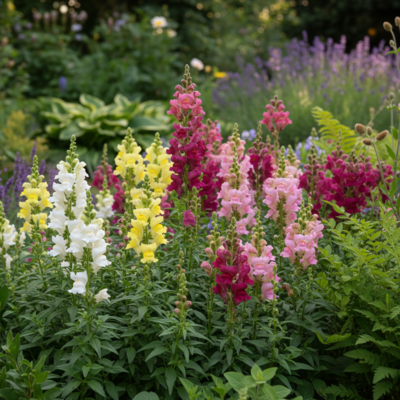
Give your garden a splash of color with our Snapdragon Flower Seeds. These tall ruffled flowers are a favourite with bees and other pollinators, they bring height, texture, and effortless charm to your outdoor space.
- Nectar-rich flowers
- Long flowering time
- Delightful light fragrance
- Height: 70-90cm
- Flowering Period: June-September
- Contains: White 10%, Yellow 15%, Rose 20%, Pink 20%, ...
Buy With Confidence
Landlife Wildflowers grow and supply high-quality, native wildflower products, restoring wildflowers right across the UK. Working in conjunction with wildlife charity, Buglife, we’re bringing back Britain’s treasured wildflowers! Find out more about why we’ve been trusted by the general public, Natural England and The National Trust for over twenty years.
We’re proud to supply only the highest-quality, native wildflower products - tried, tested and refined by us for two decades to ensure each and every customer is delighted with their purchase. Find out more about our commitment to the supply of native, provenance-assured wildflower products to restore Britain’s natural wildflower habitats for bees, butterflies, birds and wildlife.
If you have any questions or would like to get in touch, our team of wildflower experts are on hand to guide you every step of the way. We love talking about wildflowers and the quality of our products, and are pleased to help with any enquiry, including how to establish wildflowers, product recommendations and even creating custom mixtures for specific projects.