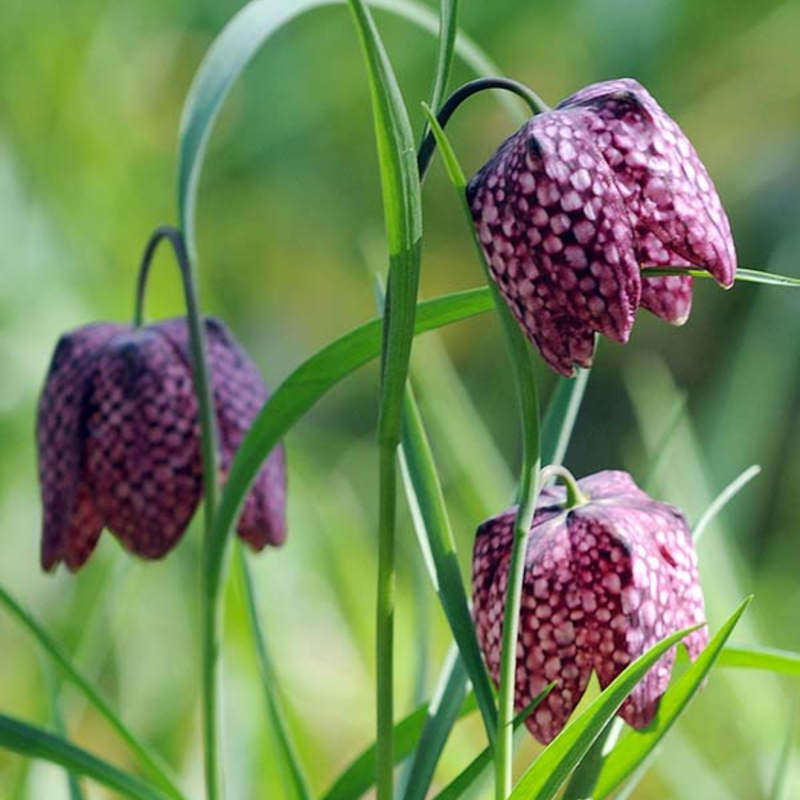
Snake's Head Fritillary Bulbs 'In The Green' (Fritillaria meleagris)
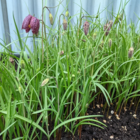
The purple, nodding, tulip-shaped bells of Snake's Head Fritillary are perfect for any wildflower garden or woodland edge. Once widespread throughout the UK, this species has become less common in recent years making it an even more delightful addition to your planting scheme.
- Height: 30cm
- Flowers: April-May
- Planting Depth: 12cm
- Soil Type: Any
This item is currently unavailable
What are snake’s head fritillary bulbs in the green?
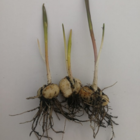
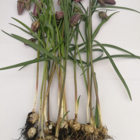
Freshly lifted bulbs supplied with shoots and roots so they settle quickly after planting. This gives higher establishment than dry bulbs and is ideal for naturalising meadows and woodland edges.
How do I plant snake’s head fritillary bulbs in the green?
Plant on arrival at the same depth shown by the soil mark on the stems, about 12 cm deep and 10–15 cm apart. Firm gently and water well. Keep evenly moist while they re-root.
When should I plant them?
As soon as they arrive during the lifting season, typically January to March. Planting promptly gives the best take and the strongest show the following spring.
Where will they grow best?
In damp grassland, meadows, and light shade under deciduous trees. Choose soil that drains freely but does not dry out in spring. Avoid sites that are waterlogged in winter or baked hard in summer.
Can I naturalise them in lawns or meadows?
Yes. Plant in irregular clumps and delay mowing until the foliage has yellowed and died back naturally, which allows the bulbs to replenish.
How many bulbs do I need?
For relaxed natural drifts allow roughly 25–50 bulbs per square metre. For a dense display, increase to 75–100 per square metre in small clumps.
Will they flower this year?
Some may flower, however most plantings give their best display the following April to May once established.
Can I plant fritillary bulbs in pots?
Yes. Use a deep pot with free-draining compost and grit, keep evenly moist in spring, and move the pot to a cool, lightly shaded spot after flowering. Pots can be planted out later.
Are these bulbs suitable for wildlife areas?
Yes. The nodding bell flowers are valuable for spring pollinators and look at home in naturalistic plantings with meadow grasses.
Can I move or divide clumps later on?
Yes. After flowering, lift small clumps while leaves are still green, replant immediately at the same depth, and water well. They will also self-seed in suitable conditions.
What spacing and depth should I use?
Space 10–15 cm apart and set bulbs about 12 cm deep. In wetter ground use the deeper end of the range for better anchoring.
Any care tips after flowering?
Allow leaves to die back naturally before cutting. Top-dress in autumn with a light mulch of leaf mould or garden compost to help retain spring moisture.
Customers who bought this also bought:
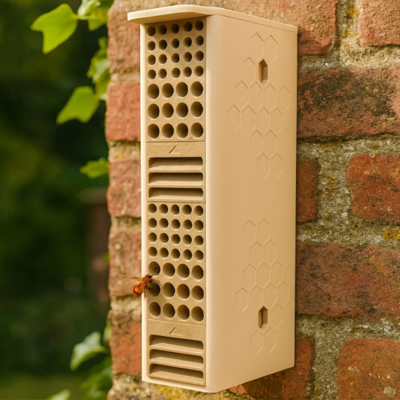
- Designed in Partnership with Buglife
- Eco-Friendly & Biodegradable
Support pollinators and wildlife with BugBlocks, a modular bug hotel designed in partnership with Buglife. This innovative bug hotel is made from eco-friendly, biodegradable materials with a blend of cornstarch PLA and recycled wood fibres. This not only reduces environmental impact but also ensures durability and weather resistance while retaining a natural, wood-like finish.
Each block is tail...
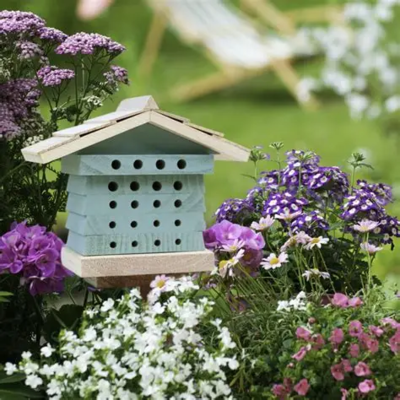
- Made for Solitary Bees to Rest & Nest Over the Winter
- Made from Eco-Friendly FSC Certified Timber
Give your garden some buzz with our charming Bee Hotel! This friendly little home is perfect for solitary bees to nest, rest, and explore. Made from eco-friendly FSC-certified timber, it’s a safe, durable, and delightful way to welcome hardworking pollinators into your outdoor space.
- Made for Solitary Bees to Rest & Nest Over the Winter
- Made from Eco-Friendly FSC Certified Timber

Grape hyacinth bulbs have spikes of blackish-blue flowers. They prefer open, well-drained soils and are perfect for naturalising over time and have a sweet, musky scent.
- Flowers: March-April
- Height: 15-20cm
- Bulb size: 5-6cm
- Non UK native
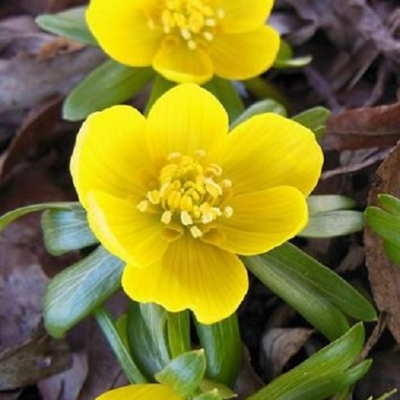
Eranthis hyemalis produce bright yellow flowers in the depths of winter followed by attractive green foliage. It is one of the earliest flowering garden flowers.
- Flowers: January-February
- Height: 10cm
- Bulb Size: 4/5cm
- Non UK native
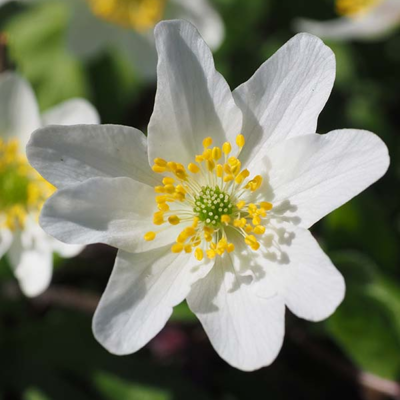
Anemone nemorosa just overlap with the flowering period of Bluebells and look stunning when planted together. Their star-like white flowers can be seen carpeting woodland floors before the trees burst into leaf.
- Flowers: April-May
- Height: 15-20cm
- Bulb size: Rhizomes
- UK native
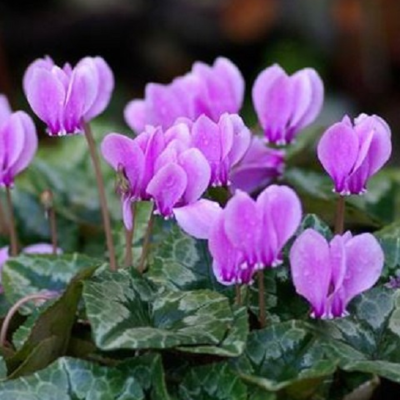
Hederifolium is pink with red eyes and silver spot leaves. Blooming towards the later parts of the winter, these are perfect for adding long-lasting colour to borders and pots.
- Flowers: November-January
- Height: 15cm
- Bulb Size: 15-20cm
- Non UK native
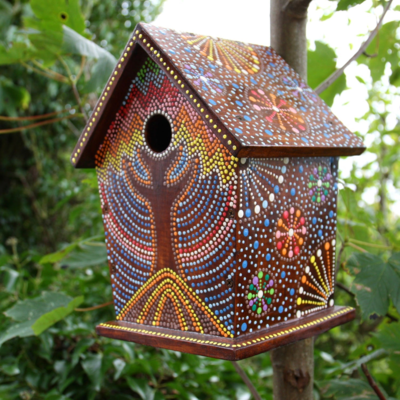
- Carefully Hand-Painted
- Made from Sustainably Sourced Timber
This cosy nest box is the perfect little hideaway for small birds, offering a safe and snug place to roost, rest, and nest from autumn right through to spring! Just in time for raising their hatchlings! Each box is lovingly handcrafted and hand-painted using traditional techniques, and made from sustainably sourced timber, so it’s as kind to the planet as it is to its feathered guests.
- Carefu...
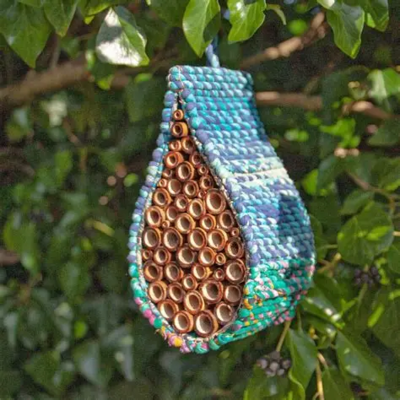
- Handcrafted in Bangladesh
- Crafted from Recycled Saris
These Bee Nesters are handmade in Bangladesh from recycled saris, turning vibrant textiles into beautiful homes for bees while helping support families out of poverty. No two are ever the same, making each Artisan Bee Nester completely unique and full of character.
- Handcrafted in Bangladesh
- Crafted from Recycled Saris
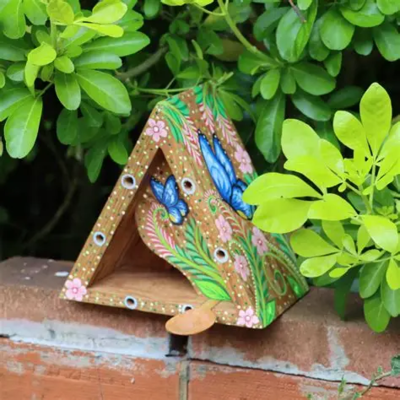
- Features a Removable Feeding Spoon
- Individually Hand-Painted
Bring colour and life to your garden with this handcrafted butterfly, bee, and bug hotel! Made in Bali from sustainable wood and decorated with beautiful dot painting, it provides nesting holes for solitary bees and a safe overwintering space for butterflies and other beneficial insects. The removable feeding spoon can be filled with butterfly food, sugar paste, or fruit, making it easy to attract...
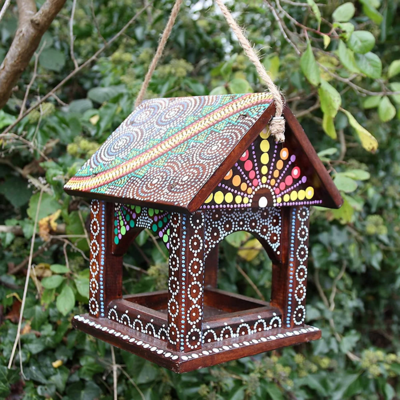
- Carefully Hand-Painted
- Made from Sustainably Sourced Timber
This bird table is the perfect spot to offer a variety of wild bird foods, from seed mixes and kibbled peanuts to suet snacks and safe food scraps. Handcrafted from sustainably sourced timber and decorated with traditional painting techniques, it’s not only practical but also a unique and charming feature for your garden.
- Carefully Hand-Painted
- Made from Sustainably Sourced Timber
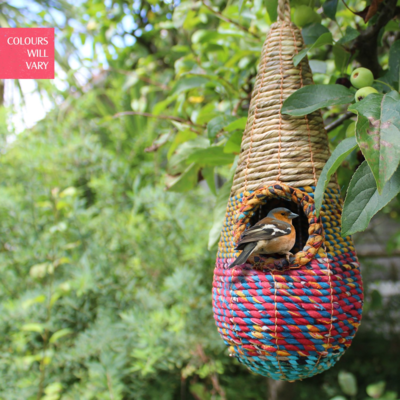
- Made from Recycled Saris & Natural Seagrass
- Handcrafted in Bangladesh
The Tahera Artisan Bird Nester is a circular wild bird nester. This shape offers a smaller cavity for the smaller species of garden birds offering a cosy place to roost in during the harsh winter. In the springtime, this doubles up as a suitable nest for smaller birds.
The sturdy inner frame provides good support, attached to strong metal hooks that make this easy to attach in your garden among...
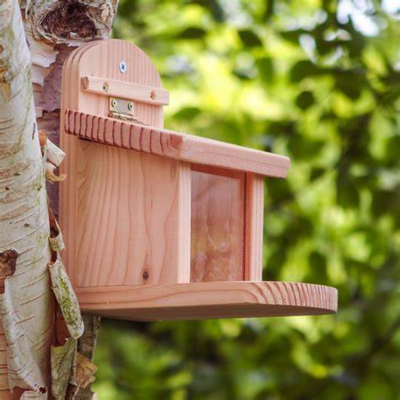
Find the perfect spot for this squirrel feeder in your garden that give you plenty of opportunities at watching the squirrels make their fun.
- Tough durable exterior to keep this feature in your garden for many years to come
- Made from high quality naturally durable FSC managed timbers
NB - if you live near to, or in an area where both red and squirrels frequent, please consider the following advice. If red squirrels are present in your area, and grey squirrels begin visiting your garden, we advise stopping feeding immediately to prevent disease transmission. Feeding stations create high risk of disease spread, including squirrelpox virus which does not effect greys (or humans), but is sadly deadly to reds. For more information on the two species see ...
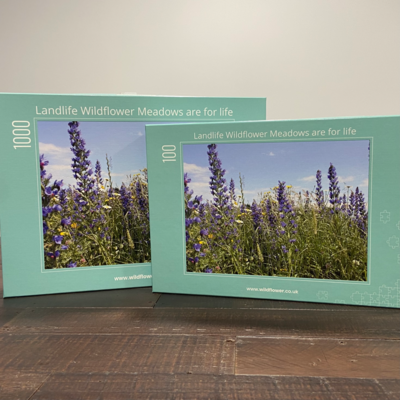
A unique and entertaining gift for all the family! Our stunning Coastal Areas Jigsaw Puzzle is available in two sizes and features UK Native Wildflower 'Viper's Bugloss', a beautiful species which you may find in your own meadow!
- Made from thick, durable board
- Completed Size (100 Piece*): 48 x 36cm
- Completed Size (1,000 Piece): 64 x 48cm
- Each puzzle is carefully enclosed in a rustic gift box...
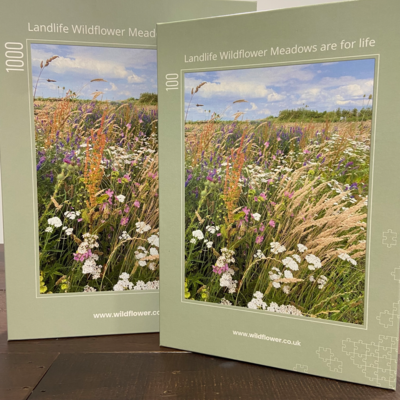
Turn your favourite meadow into a fun pastime with our Native Flora Jigsaw Puzzle! This bright and bold design captures our wildflower meadow at its best with various species differing in colour, height and stature. Suited to a wide age range, our Jigsaw Puzzles are the perfect gift for any wildflower enthusiast!
- Made from thick, durable board
- Completed Size (100 Piece*): 48 x 36cm
- Complete...
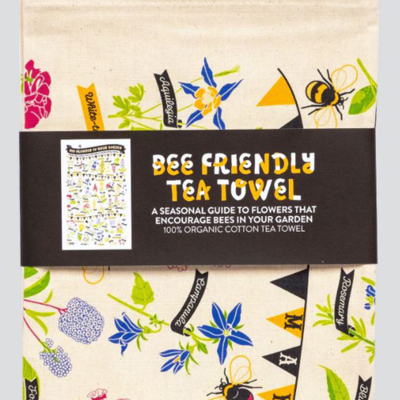
Created using unbleached and organic cotton, this unique tea towel features a guide to seasonal wildflowers perfect for bees and other pollinators - a delightful addition to any kitchen!
Designed and produced in collaboration with Friends of the Earth to increase awareness of the vital contribution bees make to our food supply, economy and quality of life.
- Organic and unbleached
- Size - 48cm...
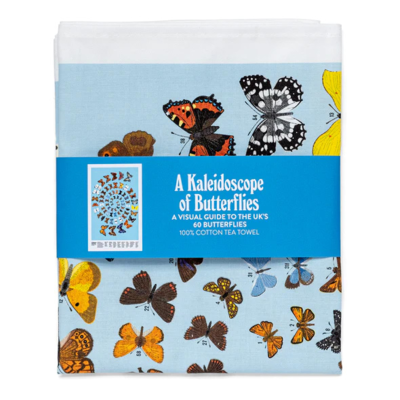
A brand new edition to our range showcasing 60 wonderful native and migrant Butterflies that are in need of our support to help stop the decline in numbers that we are sadly seeing with how the environment is changing.
This tea towel has been designed and produced in collaboration with Friends of the Earth and provides a good guide for all the species you may see in your own garden.
- 100...
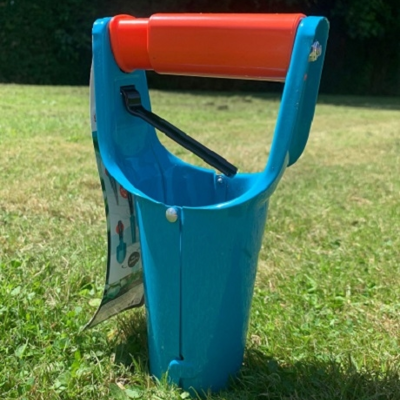
Making bulb planting easier, quicker and cleaner, our bulb planter is the ideal tool for helping you plant your native spring-flowering bulbs.
- Made of high-quality steel
- Automatic release on the handle
- Duroplast coating - impact, elastic, abrasion, and corrosion - resistant
- Depth Scale
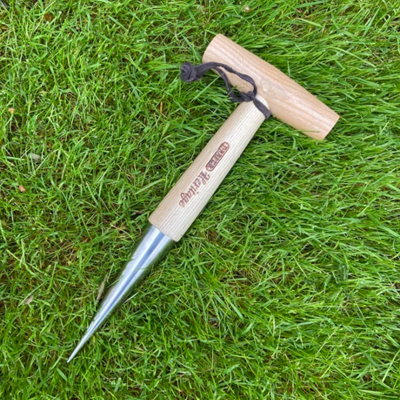
The ultimate tool for planting quickly and easily your plants and bulbs. A quality solid ash handle securely fitted to a hardened carbon steel head, the traditional design is ideal to assist in planting your plants and bulbs into beds, borders and grassland.
- Made of high quality hardened carbon steel
- Weatherproofed ash wood handle
- Hammer finish, powder coated head for improved rust resistance
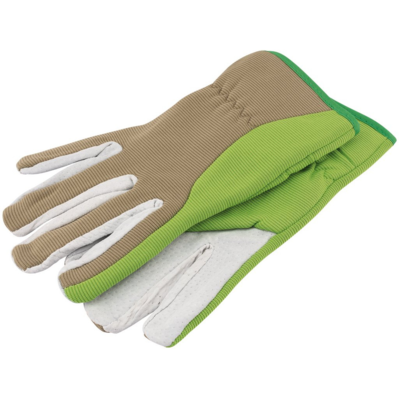
- Medium duty
- Available in 2 sizes
Built for brambles, borders, and everything in between. Tough on the outside, comfy on the inside; perfect for getting stuck in without roughing up your hands! These sturdy gloves are your new garden sidekick, made from tough leather for reliable use, season on season!
- Fantastic all-round protection for gardening tasks
- Breathable elasticated back and open cuffs ensure hands remain comfortable
Buy With Confidence
Landlife Wildflowers grow and supply high-quality, native wildflower products, restoring wildflowers right across the UK. Working in conjunction with wildlife charity, Buglife, we’re bringing back Britain’s treasured wildflowers! Find out more about why we’ve been trusted by the general public, Natural England and The National Trust for over twenty years.
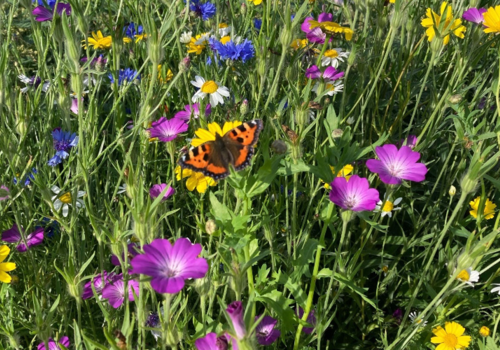
We’re proud to supply only the highest-quality, native wildflower products - tried, tested and refined by us for two decades to ensure each and every customer is delighted with their purchase. Find out more about our commitment to the supply of native, provenance-assured wildflower products to restore Britain’s natural wildflower habitats for bees, butterflies, birds and wildlife.
If you have any questions or would like to get in touch, our team of wildflower experts are on hand to guide you every step of the way. We love talking about wildflowers and the quality of our products, and are pleased to help with any enquiry, including how to establish wildflowers, product recommendations and even creating custom mixtures for specific projects.