Wildflower Bulbs In The Green (Spring Planted)
Buy wildflower bulbs in the green from Landlife Wildflowers, the wildflower experts. Establish bluebells, snowdrops, anemone, wild daffodil bulbs and many more with our professional quality bulbs, delivered from February, ready to be planted out as soon as they arrive for blooms in a matter of weeks! Wildflower bulbs in the green are supplied whilst they’re actively growing with roots and leaves already established; offering excellent reliability and fast results. Wildflower bulbs in the green can be at different growth stages depending on when they are ordered and lifted. For more guidance, see our bulbs in the green information.
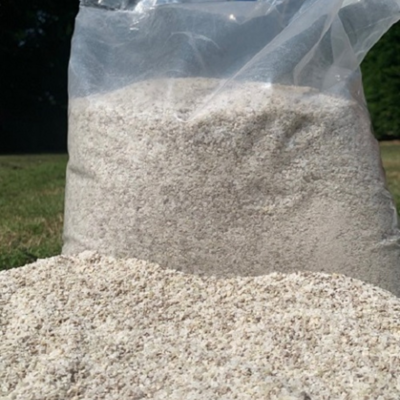
- Gives bulbs the nutrients they need
- Can be mixed with compost or bulb fibre
Specifically designed to help your spring flowering bulbs flower to their potential, our bulb fertiliser is suitable for use when planting or in early spring to encourage your bulbs to flower well in the following season. Whether you are establishing in pots or containers, sprinkle a small amount into each hole prior to planting your bulbs.
- Gives bulbs the nutrients they need
- Can be mixed wit...
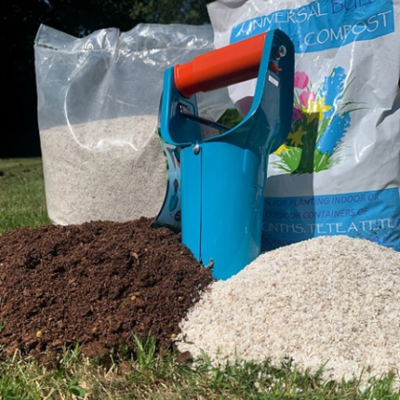
Our bulb planting essentials pack has been put together for the ease of ensuring quick planting and a great display. The bulb planter will help you plant the bulbs with ease whilst the fibre will ensure the bulbs do not rot when planted into pots or containers. Using the bulb fertiliser will ensure your bulbs have all the nutrients they need whilst establishing.
- 1 x Bulb Fibre
- 1 x Bulb Planter
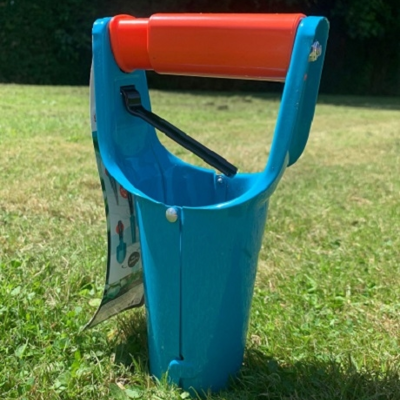
Making bulb planting easier, quicker and cleaner, our bulb planter is the ideal tool for helping you plant your native spring-flowering bulbs.
- Made of high-quality steel
- Automatic release on the handle
- Duroplast coating - impact, elastic, abrasion, and corrosion - resistant
- Depth Scale
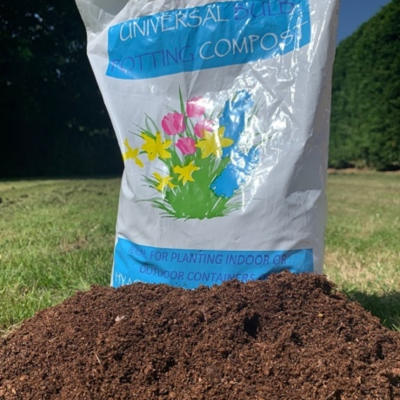
Helping to provide an open and free-draining soil structure to establish bulbs in pots, beds and borders without the risk of the bulbs rotting.
- Ideal for planting with spring flowering bulbs
- 500gm bag - this pack is sufficient for 3 x 1-litre pots
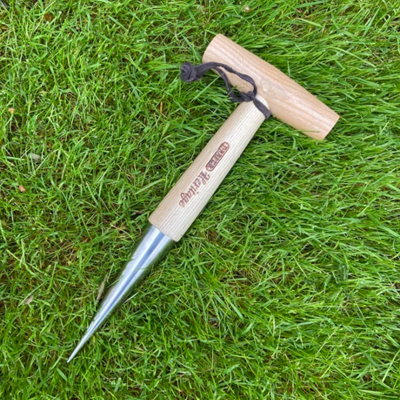
The ultimate tool for planting quickly and easily your plants and bulbs. A quality solid ash handle securely fitted to a hardened carbon steel head, the traditional design is ideal to assist in planting your plants and bulbs into beds, borders and grassland.
- Made of high quality hardened carbon steel
- Weatherproofed ash wood handle
- Hammer finish, powder coated head for improved rust resistance
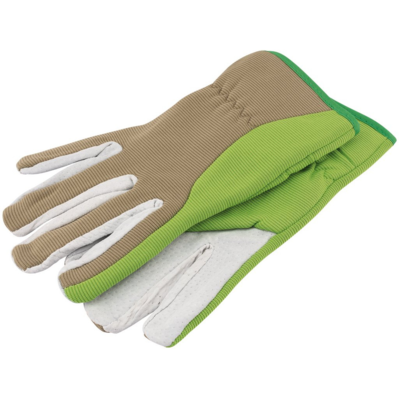
- Medium duty
- Available in 2 sizes
Built for brambles, borders, and everything in between. Tough on the outside, comfy on the inside; perfect for getting stuck in without roughing up your hands! These sturdy gloves are your new garden sidekick, made from tough leather for reliable use, season on season!
- Fantastic all-round protection for gardening tasks
- Breathable elasticated back and open cuffs ensure hands remain comfortable
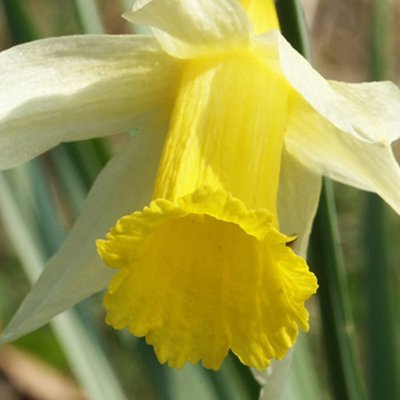
The wild daffodil (Narcissus pseudonarcissus) is a more delicate and graceful plant than its cultivated counterparts, also known as the 'Lent Lily'. With pale petals around a golden trumpet, the grey-green leaves of the wild daffodil are also distinctive.
- Height: 30cm
- Flowers: March-April
- Planting Depth: 10-15cm
- Soil Type: Well-drained
This item is currently unavailable
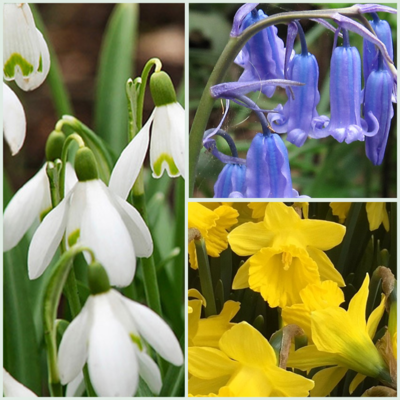
Our Wildflower Favourites bulbs 'in the green' collection combines our most treasured British wildflower species. These early-flowering species are sure to bring much-needed colour into your garden from as early as January.
Each collection of 60 bulbs covers around 5sqm of border or flower beds, planted at 10-12 bulbs per sqm, and contains the following:
- Common Snowdrops
- English Bluebells
- Te...
This item is currently unavailable
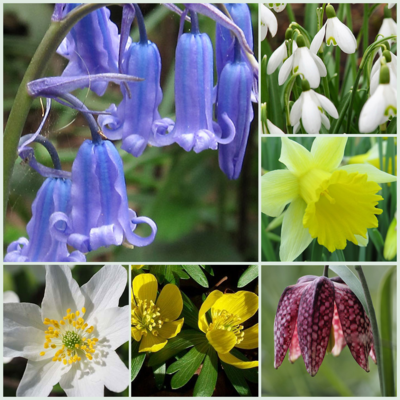
For the complete collection of early-flowering spring wildflower bulbs, choose this Deluxe Collection, containing some of our most treasured wildflower species, providing a burst of colour and early pollen and nectar from January to May. Each great value collection contains:
- 25 Common Snowdrops
- 25 English Bluebells
- 25 Winter Aconites
- 10 Tenby Daffodils
- 25 Snake's Head Fritillary
- 25 Wood...
This item is currently unavailable
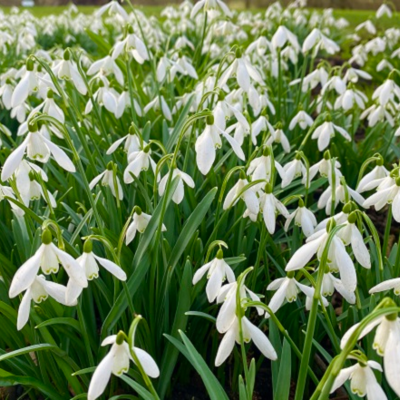
- Height: 10-20cm
- Flowers: February-March
Superior quality snowdrops 'in the green' from our select group of trusted growers. Choose snowdrops in the green from Landlife Wildflowers, trusted supplier of native wildflowers since 2002. Snowdrops supplied in March have finished flowering, ready to plant now for exceptional blooms in January and Febraury 2027.
Also known as the 'common snowdrop' and seen across grassland and woodland right ...
This item is currently unavailable
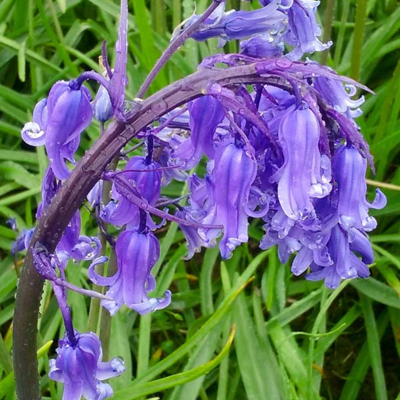
Plant in March for blooms in April and May. Easily grown from bulbs, bluebells are ideal to add to woodlands and gardens to create swathes of beautiful blue, sweet-scented flowers in the spring. Our stocks have been carefully selected and lifted under license to ensure we supply only the finest quality, native British bluebells.
- Height: 30-40cm
- Flowers: April-June
- Planting Depth: 10cm
- Soil Type:...
This item is currently unavailable
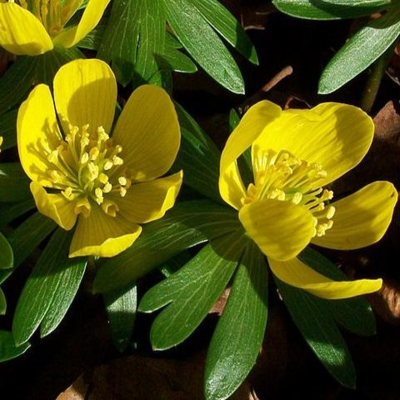
Eranthis hyemalis produces bright yellow flowers in January and February, followed by attractive green foliage. Often seen flowering alongside snowdrops, these bulbs can be planted immediately upon receipt for blooms in a matter of weeks.
- Height: 10cm
- Flowers: January-February
- Planting Depth: 5cm
- Soil Type: Any
This item is currently unavailable
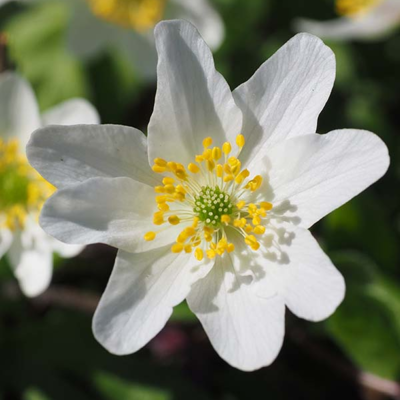
Anemone nemorosa overlaps with the flowering period of bluebells and looks stunning when planted together. Their star-like white flowers can be seen carpeting woodland floors before the trees burst into leaves.
- Height: 20cm
- Flowers: March-May
- Planting Depth: 7cm
- Soil Type: Any
This item is currently unavailable
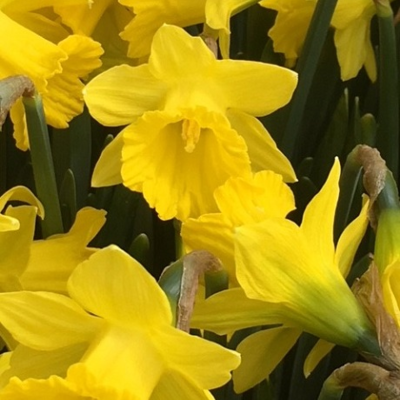
The 'Tenby Daffodil' is the main daffodil species native to Britain. Narcissi obvallaris usually flower around March and are particularly suited to growing on rocky ground, grassland and woodlands, where shade is common.
- Height: 25cm
- Flowers: March-April
- Planting Depth: 10-15cm
- Soil Type: Well-drained
This item is currently unavailable
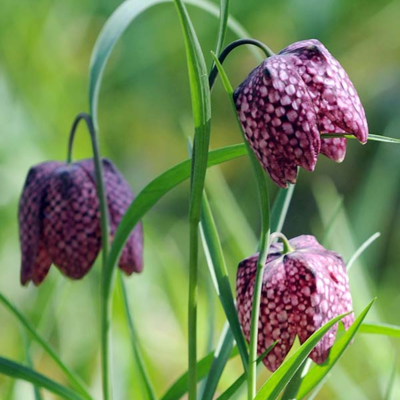
The purple, nodding, tulip-shaped bells of Snake's Head Fritillary are perfect for any wildflower garden or woodland edge. Once widespread throughout the UK, this species has become less common in recent years making it an even more delightful addition to your planting scheme.
- Height: 30cm
- Flowers: April-May
- Planting Depth: 12cm
- Soil Type: Any
This item is currently unavailable
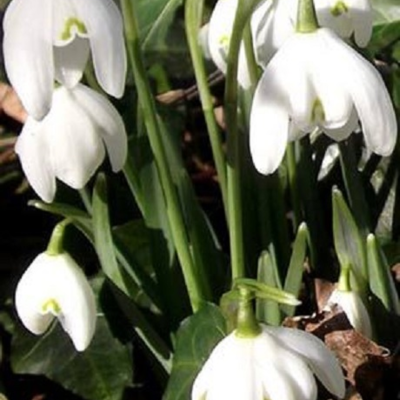
Galanthus nivalis (Flore pleno) is a naturally forming double variety of our native snowdrops, producing attractive flowers from January to March.
- Height: 15cm
- Flowers: January-March
- Planting Depth: 5cm
- Soil Type: Any
This item is currently unavailable
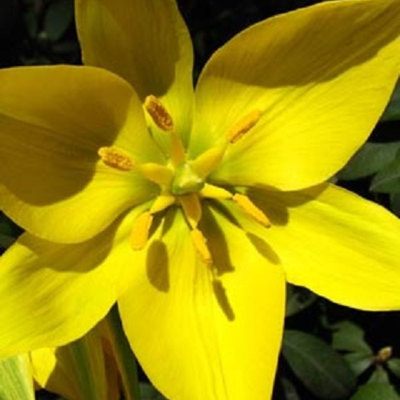
Tulipa sylvestris, flowering in April, has rich yellow blooms and a sweet scent. They are the only relative of the common garden tulip found wild in Britain.
- Height: 30cm
- Flowers: April
- Planting Depth: 10-15cm
- Soil Type: Well-drained
This item is currently unavailable
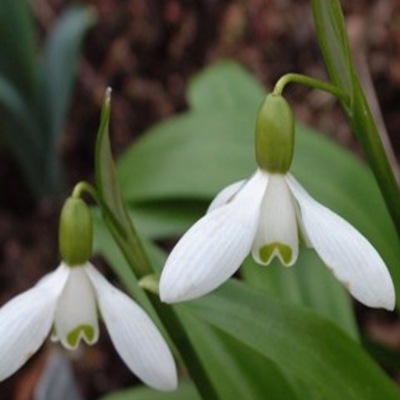
Galanthus ikariae snowdrops are small fragile flowers that are white in colour.
- Height:15cm
- Flowers: January-March
- Planting Depth: 5cm
- Soil Type: Any
This item is currently unavailable
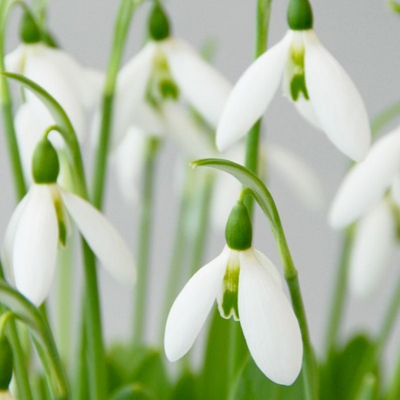
Galanthus elwesii are giant-flowering snowdrops with honey-scented blooms, that will flower in the first year. Larger than their counterparts these are a real beauty to behold.
- Height: 30cm
- Flowers: January-February
- Planting Depth: 5cm
- Soil Type: Any
This item is currently unavailable
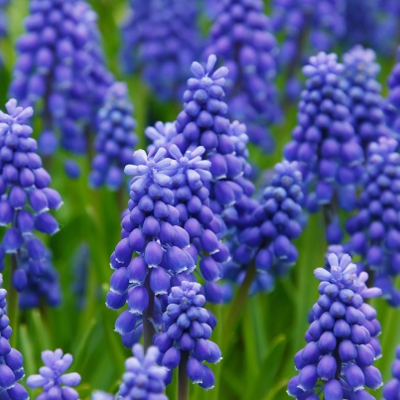
Grape hyacinth bulbs have spikes of blackish-blue flowers. They prefer open, well-drained soils and have long-lasting blooms.
- Height: 15cm
- Flowers: March - April
- Planting Depth: 5cm
- Soil Type: Well-drained
This item is currently unavailable
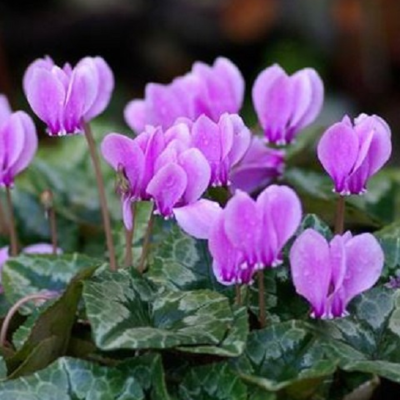
Cyclamen hederifolium is pink with red eyes and silver spot leaves.
- Height: 15cm
- Blooms: September-November
- Planting Depth: 5cm
- Soil Type: Well-drained
This item is currently unavailable
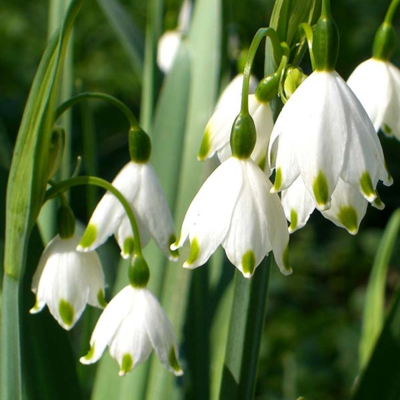
Summer Snowflake, or Loddon Lily (from the River Loddon in Berkshire), is the taller member of this varied family. The bright green leaves create a stunning contrast to the large, pure white flowers that appear in late spring. The petals have green spots on the tips.
- Height: 30cm
- Flowers: April-June
- Planting Depth: 10-15cm
- Soil Type: Well-drained
This item is currently unavailable
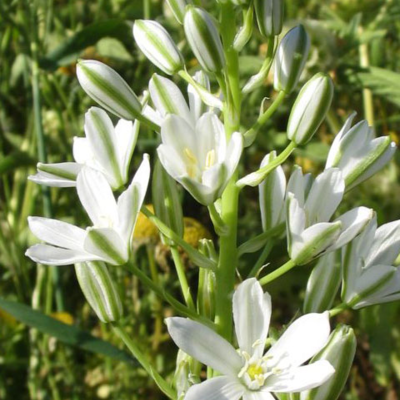
Star of Bethlehem is a perennial bulbous flowering plant of the family Hyacinthaceae. The plant produces groups of 6-20 white flowers, that have a green stripe on the outside.
- Height: 15cm
- Flowers: May-June
- Planting Depth: 7cm
- Soil Type: Any
This item is currently unavailable
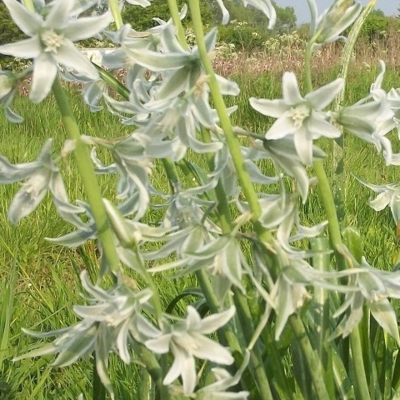
Nodding Star of Bethlehem is a pretty perennial bulbous flowering plant. Thrives in grasslands and flowers mid to late spring, and blossoms into white star-shaped flowers with vivid green leaves.
- Height: 15-30cm
- Flowers: April-May
- Planting Depth: 7cm
- Soil Type: Any
This item is currently unavailable
Looking for something else?
We have a range of expertly blended 100% widlflower seed mixes or you can buy individual UK native species, perfect for tailored planting schemes. You can also find wildflower plug plants, and autumn planted wildflower bulbs.
Wildflower Bulbs In The Green (Spring Planted) FAQs
What Does “Bulbs In The Green” Mean?
Bulbs in the green are lifted and supplied while they are actively growing, complete with fresh shoots and leaves, rather than being sold dry and dormant.
Unlike traditional dry bulbs that are planted while dormant in autumn, bulbs in the green are delivered later in the season, usually from late winter into early spring. At this stage, the foliage and roots are already active, which means the plant can be set straight into the ground and continue growing without interruption. This approach is particularly popular for native species that can be slower or less reliable when planted dry.
Because growth is already underway, bulbs in the green tend to establish very quickly and are far less likely to fail. They’re well suited to woodland edges, naturalistic borders, shaded areas, and wildlife-friendly gardens where conditions can be cooler and damper. For many gardeners, they’re also the simplest way to introduce some of the UK’s most recognisable spring flowers and enjoy blooms within weeks of planting.
Why Choose Bulbs In The Green Over Dry Bulbs?
Bulbs in the green establish quickly, flower sooner, and offer a much higher success rate than dry bulbs.
Because the bulb is already in active growth, it settles back into the soil with very little stress. This leads to stronger take-rates and more predictable results, which is especially useful when planting in cooler, shaded, or more challenging ground. Many gardeners choose bulbs in the green when they want visible results in the same season, rather than waiting a full year for dry bulbs to establish and flower.
They’re also a practical option for schools, public spaces, and community projects where reliability matters. Landscapers and councils often favour them because the planting window is short, the results are consistent, and there’s less risk of patchy growth. For larger orders, bulbs in the green make it easier to plan and deliver planting schemes that need to look good quickly and perform well over time.
Which Species Are Available In The Green?
Seasonal mixes and individual native species are available in the green, including wild daffodils, bluebells, snowdrops, wood anemones, and crocus, all suited to UK growing conditions.
Availability varies each season and depends on when the bulbs are lifted, weather conditions, and nursery schedules, so the selection can change from year to year. All bulbs are sourced and grown with UK conditions in mind, which helps ensure strong, healthy plants that establish quickly once planted out. Each species behaves slightly differently, with variations in height, flowering time, and preferred soil type, so it’s worth checking the individual product details before ordering.
Bulbs in the green work particularly well alongside wildflower seed areas and woodland plug plants, helping to create a layered display that develops naturally through spring and into early summer. When choosing your bulbs, look at the bloom month, mature height, and soil preference on each product card to make sure they suit your planting site and the look you’re aiming for.
When And How Do I Plant Bulbs In The Green?
You should always plant bulbs in the green as soon as they arrive, usually between January and April, setting them at the correct depth, firming the soil, and watering well.
Preparation is simple but important. Clear the area of weeds, loosen the soil, and improve drainage if the ground is heavy by adding organic matter. When planting, follow the visible soil mark on the shoots and replant the bulb at roughly the same depth it was growing before lifting. Space bulbs to suit the effect you want, closer together for bold clumps, or slightly wider apart for a more natural, woodland-style drift.
Water thoroughly after planting and keep the soil evenly moist for the first few weeks while the roots re-establish. Once flowering finishes, allow the foliage to die back naturally so the bulb can store energy for the following year. If you need to move bulbs in the green, lift them carefully with as much root and soil intact as possible, replant straight away, and water well to reduce stress.
Are Bulbs In The Green Good For Wildlife?
Yes, many native bulbs supplied in the green provide valuable early nectar and pollen at a time when very little else is in flower.
Early spring bulbs play an important role for bees, hoverflies, and other pollinators emerging after winter, offering a vital food source when conditions are still cool. Species such as snowdrops, wild daffodils, and wood anemones help bridge the gap between winter and the main wildflower season.
Bulbs in the green also sit well alongside UK native wildflower meadows and woodland plantings, adding early interest without disrupting the natural balance of the site. This makes them a popular choice for biodiversity projects, school grounds, community planting schemes, and gardens where supporting wildlife is a key aim.
What are bulbs in the green?
Bulbs in the green are living bulbs supplied with shoots and foliage while they’re actively growing, rather than dry and dormant.
When should I plant bulbs in the green?
Plant them immediately on arrival, typically between January and April, so growth can continue without interruption.
Are bulbs in the green better than dry bulbs?
They often establish more reliably and can flower sooner because the plant is already in active growth when planted.
Can I grow bulbs in the green in pots?
Yes. Use a free-draining compost, keep the soil evenly moist, and avoid placing pots in very hot sun after flowering.
How do I space bulbs in the green?
Plant in natural clumps for a woodland effect. General spacing works well, but it’s always best to check the product card for species-specific guidance.
Do I cut the leaves back after flowering?
No. Let the foliage die back naturally so the bulb can store energy for next year’s growth.
Do you offer wholesale or bulk pricing?
Yes. Larger quantities are available seasonally, and trade or project enquiries are welcome.
Buy With Confidence

Landlife Wildflowers grow and supply high-quality, native wildflower products, restoring wildflowers right across the UK. Working in conjunction with wildlife charity, Buglife, we’re bringing back Britain’s treasured wildflowers! Find out more about why we’ve been trusted by the general public, Natural England and The National Trust for over twenty years.
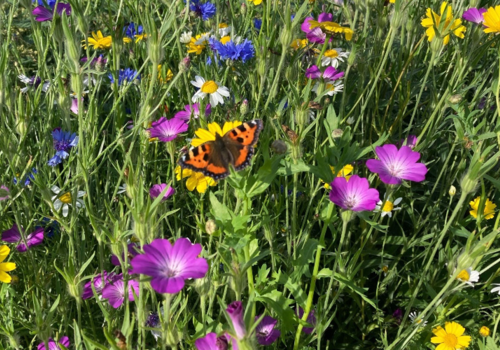
We’re proud to supply only the highest-quality, native wildflower products - tried, tested and refined by us for two decades to ensure each and every customer is delighted with their purchase. Find out more about our commitment to the supply of native, provenance-assured wildflower products to restore Britain’s natural wildflower habitats for bees, butterflies, birds and wildlife.
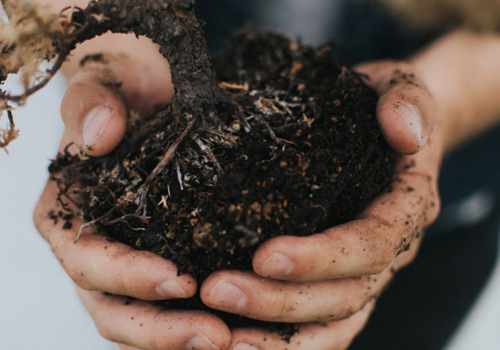
If you have any questions or would like to get in touch, our team of wildflower experts are on hand to guide you every step of the way. We love talking about wildflowers and the quality of our products, and are pleased to help with any enquiry, including how to establish wildflowers, product recommendations and even creating custom mixtures for specific projects.