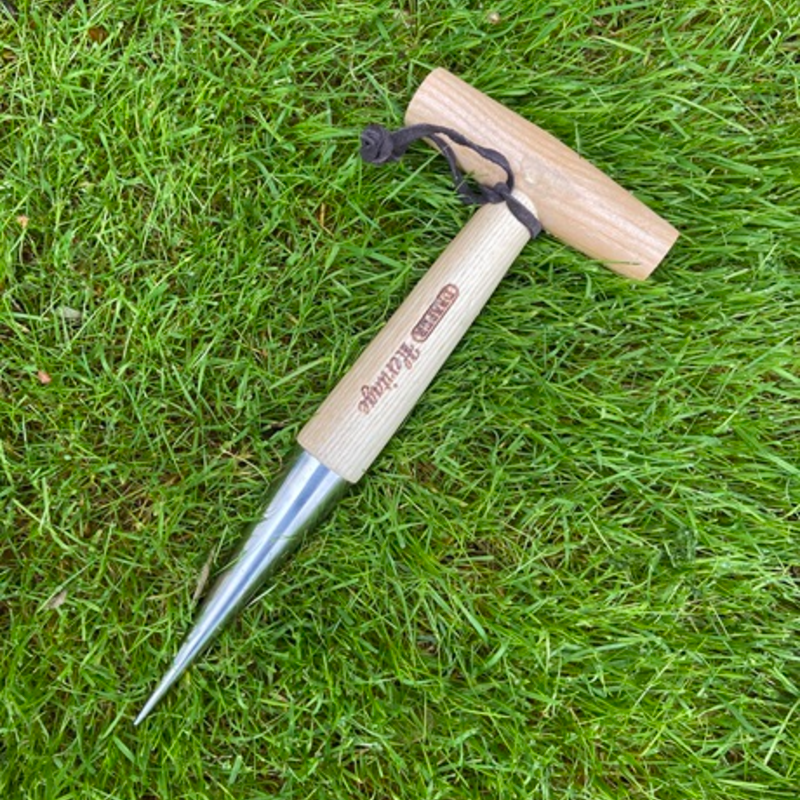

Heritage Carbon Steel Dibber
The ultimate tool for planting quickly and easily your plants and bulbs. A quality solid ash handle securely fitted to a hardened carbon steel head, the traditional design is ideal to assist in planting your plants and bulbs into beds, borders and grassland.
- Made of high quality hardened carbon steel
- Weatherproofed ash wood handle
- Hammer finish, powder coated head for improved rust resistance
| Species | Planting Month | Depth | Spacing | Soil | Aspect |
|---|---|---|---|---|---|
| Allium | Sept-Nov | 3 x bulb height | 15-30cm | Well-drained |  |
| Anemone | Sept-Nov | 5cm | 5-10cm | Any |  |
| Bluebell | Aug-Dec | 5-10cm | 10cm | Moist |  |
| Camassia | Sept-Nov | 10cm | 15cm | Moist | |
| Chionodoxa | Sept-Nov | 5cm | 5cm | Well-drained | |
| Crocus | Sept-Nov | 5cm | 5cm | Well-drained | |
| Cyclamen | Aug-Oct | 5cm | 5cm | Well-drained | |
| Daffodil & Narcissi | Sept-Oct | 3 x bulb height | 10-20cm | Well-drained | |
| Erythronium | Sept-Nov | 10cm | 10cm | Moist | |
| Freesia | Aug-Oct | 5cm | 7cm | Well-drained | |
| Fritillary | Sept-Nov | 10-15cm | 20-25cm | Well-drained | |
| Hyacinth | Sept-Nov | 15cm | 10cm | Well-drained | |
| Ipheion | Sept-Nov | 5cm | 5cm | Well-drained | |
| Iris | Sept-Nov | 5cm | 5cm | Well-drained | |
| Muscari | Sept-Nov | 5cm | 5cm | Any | |
| Puschkinia | Sept-Nov | 5cm | 5cm | Well-drained | |
| Snowdrop | Sept-Dec | 10cm | 5cm | Moist | |
| Triteleia | Sept-Nov | 5cm | 5cm | Well-drained | |
| Tulip | Sept-Dec | 10-15cm | 10-15cm | Well-drained | |
| Wildflowers | Sept-Dec | 3 x bulb height | 10-15cm | Moist | |
| Full Sun Partial Shade Full Shade |
|||||
Customers who bought this also bought:
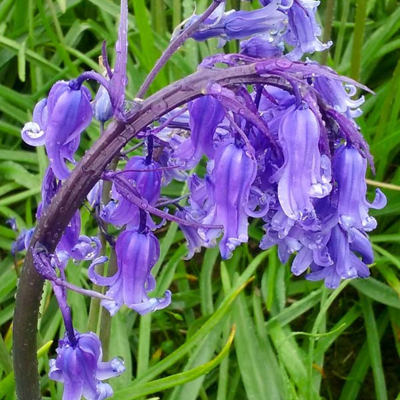
Easily grown from bulbs, Bluebells are ideal to add into woodlands and gardens to create swathes of blue in the Spring. Our stocks are pure British bluebells, carefully selected and lifted under license.
- Flowers: April-June
- Height: 30-40 cms
- Bulb size: 5+cm
- UK native
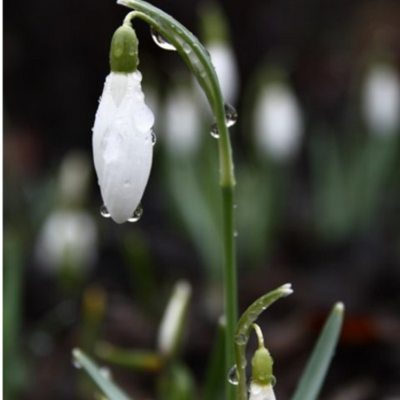
Also known as the 'common snowdrop' these bulbs are very widespread and will produce a clump of small beautiful white flower heads. Galanthus nivalis has been awarded the Award of Garden Merit for outstanding excellence by the Royal Horticultural Society.
- Flowers: February-March
- Height: 10-20cm
- Bulb size: 4/5cm
- UK native
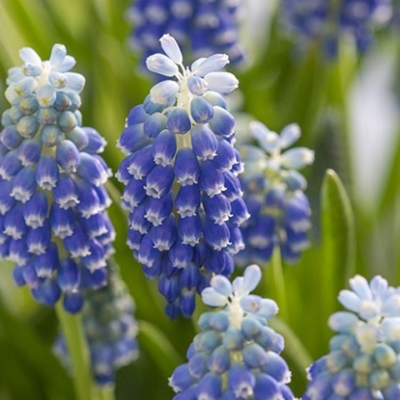
These lovely flowers resemble the snowy peaks of mountains in winter, with their white frosted tops and vibrant blue blooms peeking out below. They are an excellent choice for enhancing cottage gardens, pots, borders, and beds, making them a wonderfully versatile addition to any garden.
- Height (cm): 15cm
- Bulb Size (cm): 8/9cm
- Blooms: April/ May
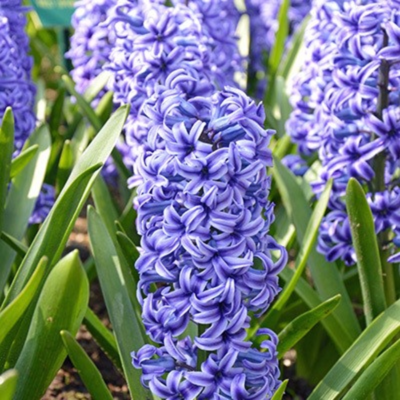
Captivatingly rich blue blooms and a pleasant scent, these spring blooms are a firm favourite for an early pop of colour. A favourite for lining walkways and pots, they are suitable in full sun to light shade.
- Height (cm): 25cm
- Bulb Size (cm): 16 / 17cm
- Blooms: March-April
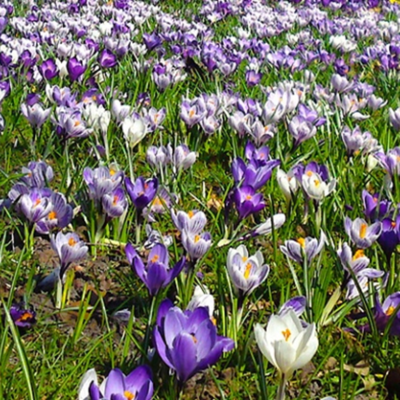
Celebrating the early arrival of spring, this captivating mix of deep rich blues, lavender hues and crisp white crocus, this Blue Grass collection is perfect for creating swathes of colour in your border or grassed areas.
- Height (cm): 15cm
- Blooms: February-March
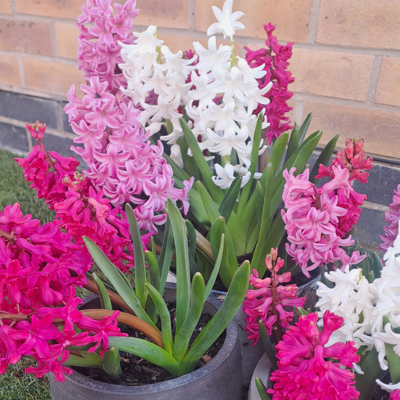
A vibrant and fragrant collection of hyacinths in a variety of colours. Adding beauty to gardens with their early spring colour they are also a favourite with pollinators.
- Height (cm): 25cm
- Bulb Size (cm): 18 / 19cm
- Blooms: March-April
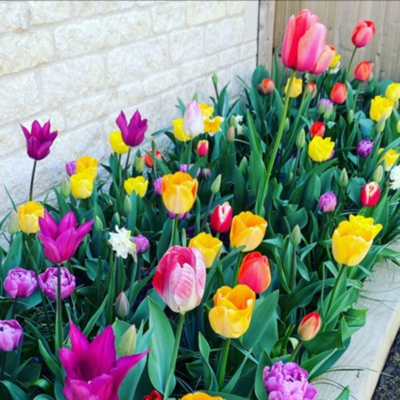
Creating a vibrant eye-catching display, ranging from reds, pinks to yellows whites and even orange shades. The contrasting colours and shades will add pops of colour to your spring garden display.
- Height: 45cm
- Bulb Size: 12/14cm
- Blooms: April
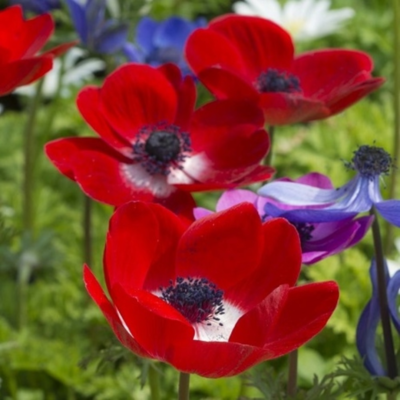
These beautiful, vibrant red flowers with creamy white centers begin to bloom in May, making them ideal for enhancing beds and borders. When planted alongside other spring-flowering bulbs, they will provide an extended period of visual interest.
- Height (cm): 25cm
- Bulb Size (cm): 7/8cm
- Blooms: May/June
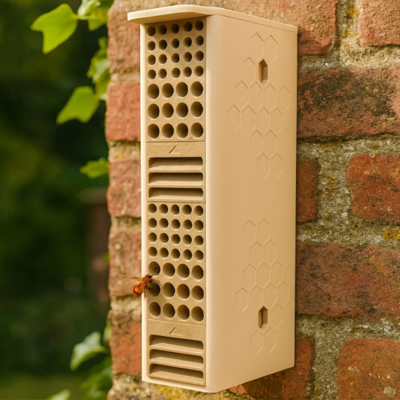
- Designed in Partnership with Buglife
- Eco-Friendly & Biodegradable
Support pollinators and wildlife with BugBlocks, a modular bug hotel designed in partnership with Buglife. This innovative bug hotel is made from eco-friendly, biodegradable materials with a blend of cornstarch PLA and recycled wood fibres. This not only reduces environmental impact but also ensures durability and weather resistance while retaining a natural, wood-like finish.
Each block is tail...
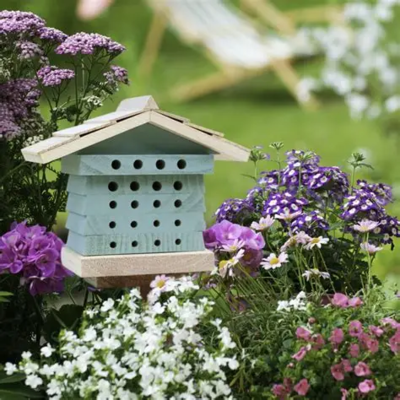
- Made for Solitary Bees to Rest & Nest Over the Winter
- Made from Eco-Friendly FSC Certified Timber
Give your garden some buzz with our charming Bee Hotel! This friendly little home is perfect for solitary bees to nest, rest, and explore. Made from eco-friendly FSC-certified timber, it’s a safe, durable, and delightful way to welcome hardworking pollinators into your outdoor space.
- Made for Solitary Bees to Rest & Nest Over the Winter
- Made from Eco-Friendly FSC Certified Timber
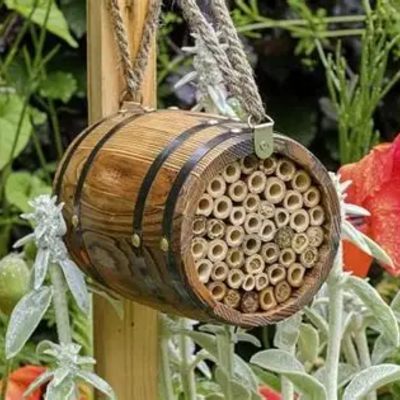
- A Perfect Haven for Baby Bees!
- Provides a Home for Bees Ready to Emerge in Spring!
Our Bee Barrel helps you connect with the natural world right in your own garden. Simply hang it up and watch as the canes fill with “baby bees” during the summer months. Over time, the barrel becomes a safe place for bees to grow, and when spring arrives, you’ll be rewarded with the sight of new adult bees emerging and starting the cycle all over again.
- A Perfect Haven for Baby Bees!
- Pr...

Grape hyacinth bulbs have spikes of blackish-blue flowers. They prefer open, well-drained soils and are perfect for naturalising over time and have a sweet, musky scent.
- Flowers: March-April
- Height: 15-20cm
- Bulb size: 5-6cm
- Non UK native
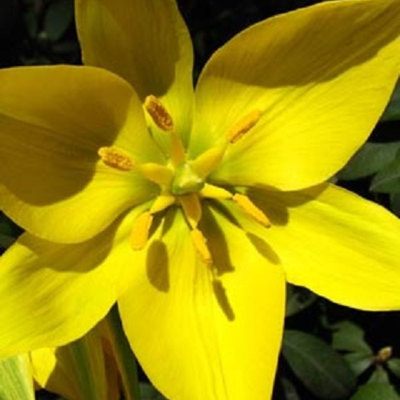
Tulipa sylvestris flowers in April and has rich yellow blooms that have a sweet scent. These are the only relative of the common garden tulip found wild in Britain.
- Flowers: March-April
- Height: 25cm
- Bulb size: 6-7cm
- UK native
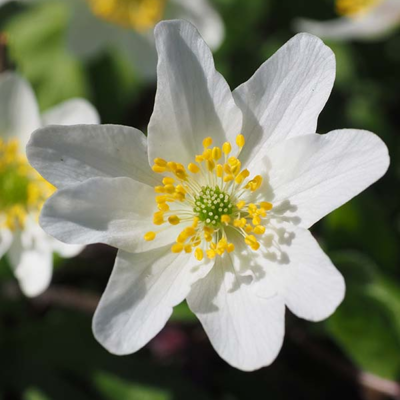
Anemone nemorosa just overlap with the flowering period of Bluebells and look stunning when planted together. Their star-like white flowers can be seen carpeting woodland floors before the trees burst into leaf.
- Flowers: April-May
- Height: 15-20cm
- Bulb size: Rhizomes
- UK native
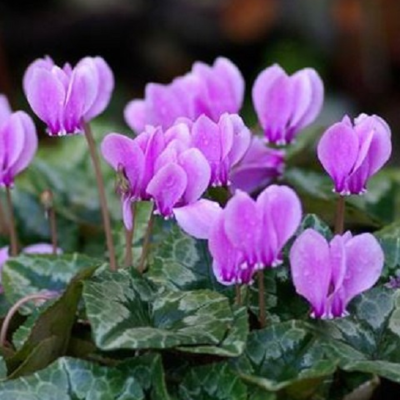
Hederifolium is pink with red eyes and silver spot leaves. Blooming towards the later parts of the winter, these are perfect for adding long-lasting colour to borders and pots.
- Flowers: November-January
- Height: 15cm
- Bulb Size: 15-20cm
- Non UK native
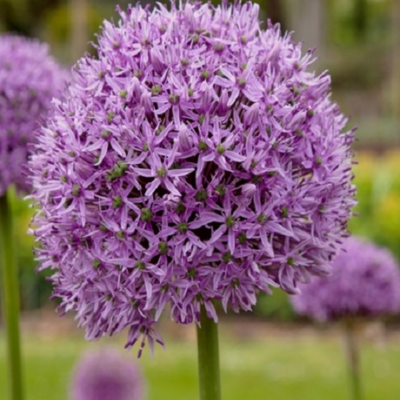
These impressive lilac and purple globe-shaped flowers can reach heights exceeding one meter and may measure up to 15 centimeters in diameter. They serve as excellent cut flowers and will gradually spread, resulting in a lush display of towering blossoms.
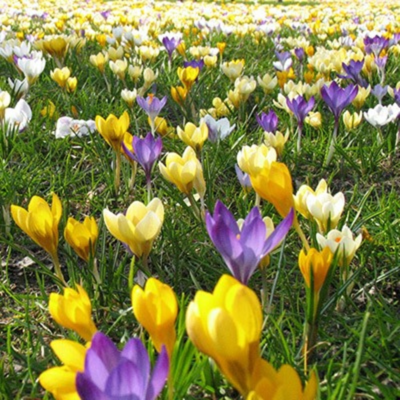
Our diverse assortment of crocus bulbs is ideal for extensive planting and larger landscaped spaces, offering a striking variety of colors that will create a visually appealing and impressive display.
- Height (cm): 8cm
- Bulb Size (cm): 5/7cm
- Blooms: February/ March
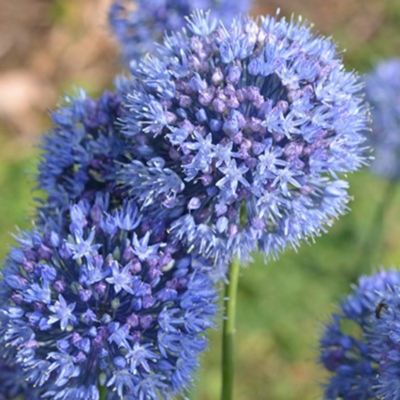
These alliums, recognised by their aqua blue flowers and late blooming period, are simple to cultivate. They will enhance the vibrancy and fragrance of your garden beds, borders, or containers. These plants thrive in both partial shade and full sun, and they favor well-drained soil conditions.
- Height (cm): 60cm
- Bulb Size (cm): 4 / 5cm
- Blooms: June/July
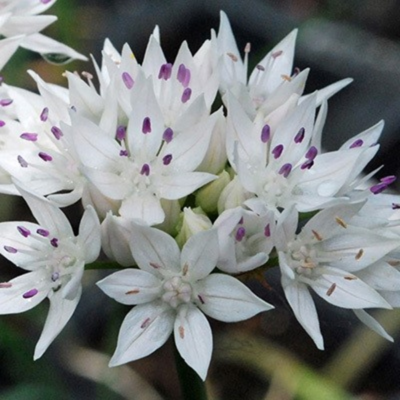
Each stem produces multiple small, star-shaped flowers that bloom to showcase exquisite white petals with purple centers. Ideal for borders, these flowers also create a striking display when included in a bulb lasagne arrangement in pots.
- Height (cm): 40cm
- Bulb Size (cm): 6+ cm
- Blooms: June/ July
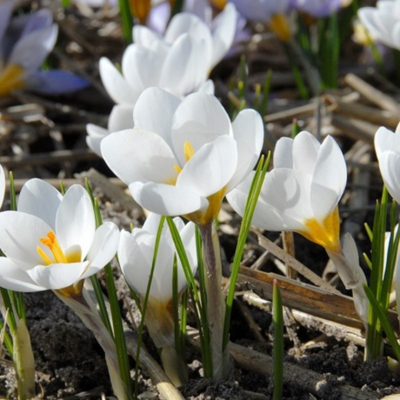
The inclusion of the Ard Schenk crocus in garden designs is an easy choice for any gardener. The pristine white cupped flowers provide a delightful spectacle as they emerge in early spring. Their exquisite blooms are particularly striking when displayed in pots or along border edges.
- Height (cm): 10cm
- Bulb Size (cm): 5/6cm
- Blooms: February/ March
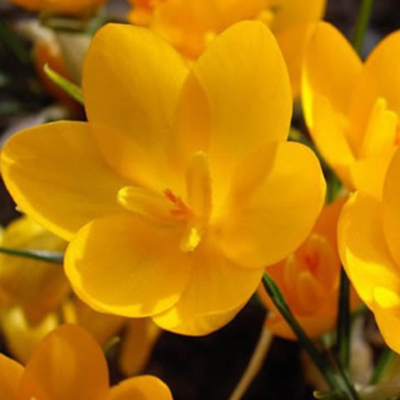
In the heart of winter, a touch of warmth is essential for all. Our Dorothy crocus will emerge starting in February, showcasing its vibrant golden yellow blooms.
- Height (cm): 8cm
- Bulb Size (cm): 5+cm
- Blooms: February/ March
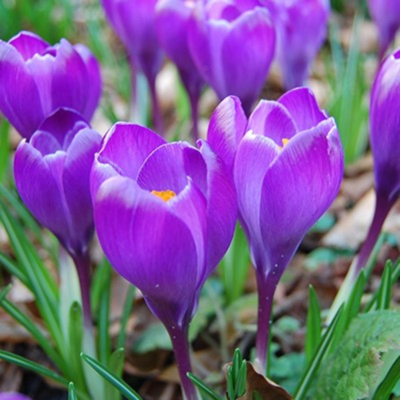
The Remembrance crocus, one of our most popular varieties, features striking goblet-shaped flowers in a rich violet purple. It is perfect for naturalizing in gardens.
- Height (cm): 8cm
- Bulb Size (cm): 7/8cm
- Blooms: February/ March
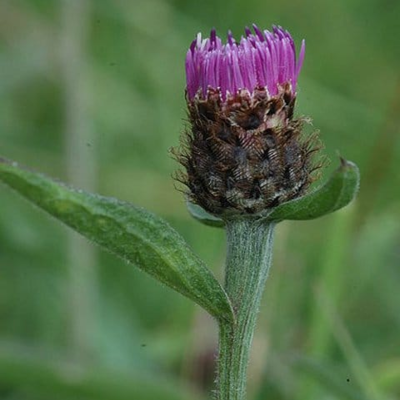
- Ideal component for sunny meadows.
- Purple perennial, blooms June-Sept.
Common knapweed or hardheads is a colourful meadow wildflower plant of the thistle family. Tight purple flowers, with lance-shaped leaves. Forms dense clumps over time, ideal for sunny meadows and hedgebanks. A great bee plant, and a goldfinch magnet in the autumn.
- Height: 30 - 60cm
- Flowers: June - September
- Soil Requirement: Well-drained
- Light Requirement: Full sun and partial shade
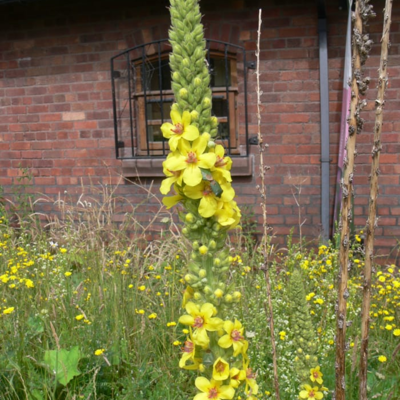
- Can grow to over a meter tall.
- Yellow biennial, blooms June-Sept.
Biennial wildflower plant with yellow flowers and purple centre, that likes dry soils and gravelly places favours more calcareous soils. Dark mullein can grow over a metre tall and is a perennial. A rosette of leaves throws up a spike of rich yellow flowers with orange anthers, growing in the herbaceous border.
- Height: 15 - 45cm
- Requires: Sun and well-drained soil
- Flowers: June - September
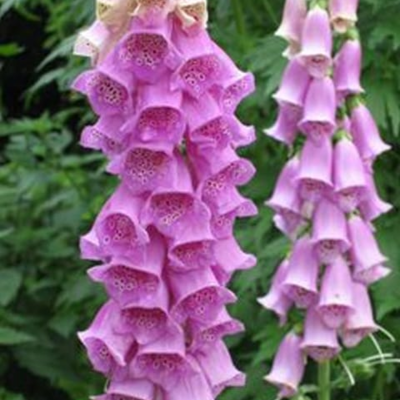
- Popular pollinator for bees.
- Pink perennial, blooms June-Sept.
A native biennial is occasionally perennial, common in woodland leering, hedgerows and heaths. The Foxglove wildflower plant has tall spikes of pinkish-purple bell-shaped wildflowers. The wildflowers are pollinated by bumblebees.
- Height: 50 -150cm (20-60in)
- Requires: Partial shade or sun on moist well-drained soil
- Flowers: June - September
Our ready-to-plant wildflower plug plants offer ...
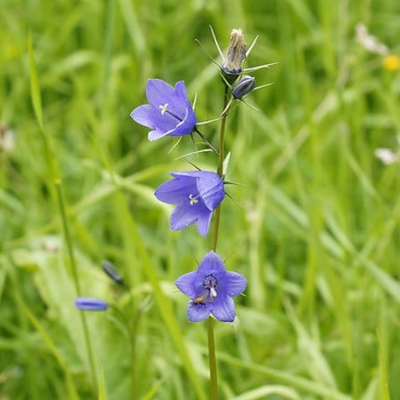
- Resilient bell-shaped flowers.
- Pale blue perennial, blooms July-Sept.
Also known as the Scottish bluebell wildflower plant, found throughout Britain except in the South West. A perennial wildflower plant is often found in dry grassy areas or on poor soils. Delicate pale blue nodding bell-shaped wildflowers are held on slender stems from July to September.
- Height: 15-25cm (6-10in)
- Requires: Full sun on well-drained soil
- Flowers: July - September
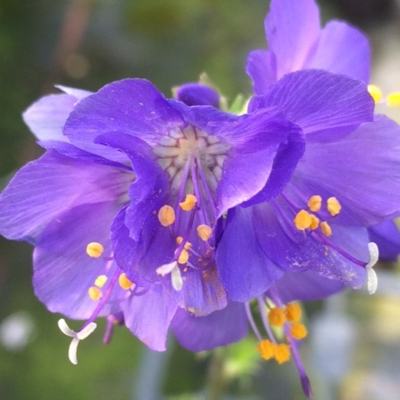
- Tall stems and ladder-like leaves.
- Blue perennial, blooms June-July.
Jacob's Ladder is an upright plant and gets its name from its ladder-like leaves, it has a bell, funnel-shaped flower that is lavender-blue in colour and forms at the top of its tall, slinky stem.
- Height: 50 -100cm
- Requires: Sand, Clay, Loam soils
- Flowers: Summer
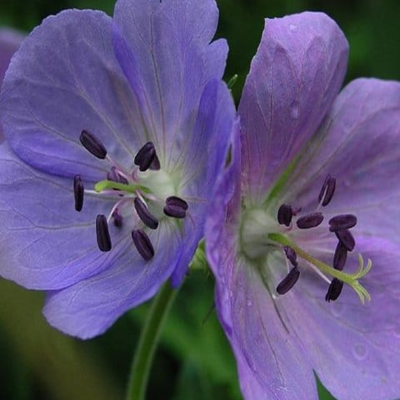
- Attractive to bumblebees.
- Blue perennial, blooms June-Sept.
A locally common native perennial found on roadsides and in meadows. The large blue flowers are attractive to Bumblebees, Honey Bees and Solitary Wasps. It is particularly hardy and will compete with grasses. During the winter these plugs die back and are classed as dormant, they do not have any leaves on them.
- Height: 60 - 100cm
- Flowers: June - September
- Soil Requirement: Well-drained
- Light...
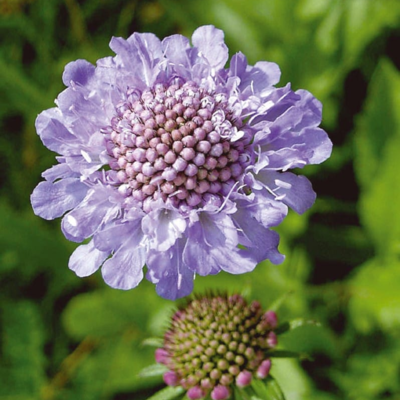
- Commonly found in chalky meadows.
- Lilac perennial, blooms July-Aug.
In summer butterflies and bees flock to the small mauve button-like flowers of this perennial. It can be found on very poor, dry, chalky soils throughout Britain. It has finely divided leaves, which are said to resemble the foot of a bird.
- Height: 15 – 70cm
- Requires: Dry, free-draining poor soils
- Flowers: July - August
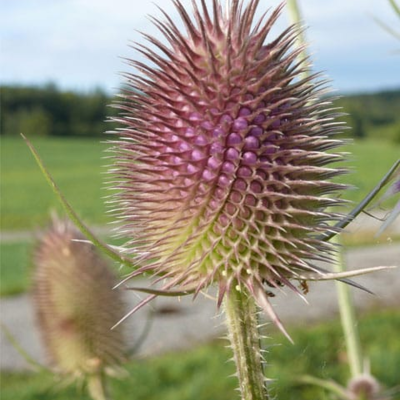
- Great source of food for wild birds.
- Purple biennial, blooms July-Aug.
A native biennial is found on rough grassland, roadsides and wastelands. In the first season, it produces a rosette of sharp spikey leaves. In the second year, it puts up a tall stem crowned with a spiny flower head with a band of mauve flowers. It is particularly attractive to insects and seed-eating birds such as Goldfinches and Siskins.
- Height: 80 - 200cm
- Requires: Full sun or partial sha...
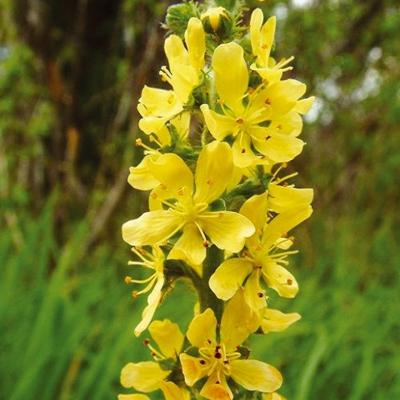
- Attractive to pollinating species.
- Yellow perennial, blooms June-Sept.
The Common agrimony plug plant is known as church steeples, good for a sunny border. It has slender tapering spikes of yellow, star-shaped flowers and finely cut leaves. As well as luring pollinators, wild birds struggle to resist!
- Height: 40 - 80cm
- Flowers: June - September
- Soil Requirement: Well-drained, neutral
- Light Requirement: Full sun
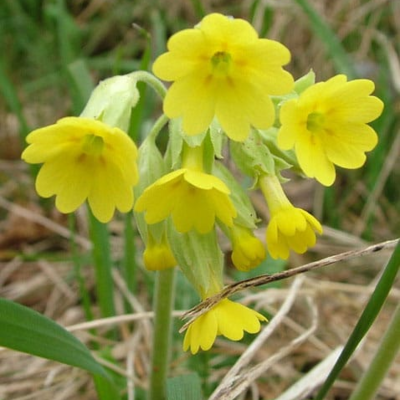
- Source of nectar for pollinators.
- Yellow perennial, blooms April-May.
A beautiful native perennial wildflower plant growing in grassland and meadows. The deep yellow flowers are grouped on upright stalks growing from rosettes of crinkled leaves. Cowslip wildflower plants are a good nectar source for butterflies and bees. Cowslips are the food plants of the caterpillars of the Duke of Burgundy Fritillary.
- Height: 10 - 30cm
- Requires: Dry grassland & scrubland
- Flo...
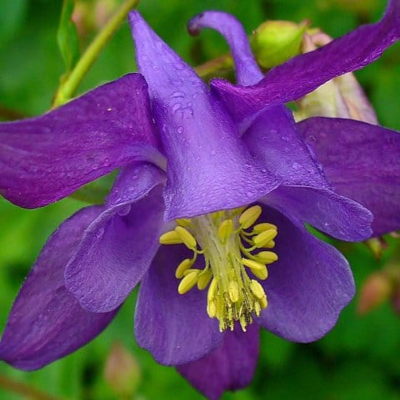
- Prefers damp soils.
- Violet perennial, blooms June-July.
This distinctive perennial is often found at woodland edges and roadsides, long-stalked with long-spurred blue-violet flowers. Aquilegia plug plants attract bees and butterflies.
- Height: 60cm
- Requires: Damp woods, dry and damp grasslands
- Flowers: June - July
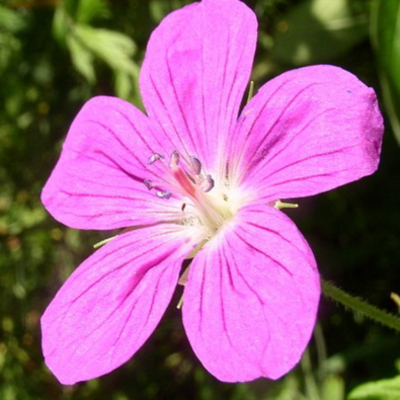
- Attractive flowers and evergreen leaves.
- Purple perennial, blooms May-Oct.
A showy and versatile perennial wildflower with attractive mauve, pink flowers and evergreen leaves. This plant is a great addition to any wildflower meadow as flowers from May right through the summer to provide colour.
- Height: 22 - 45cm
- Requires: Sun or part shade, well-drained soils
- Flowers: May - October
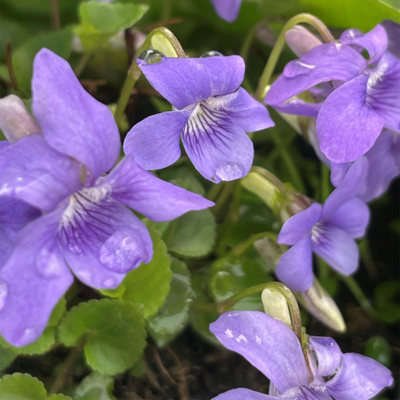
- Suitable for a variety of soil types.
- Violet perennial, blooms April-June.
A cheerful bold perennial thrives across a wide range of soil types with rich blue flowers, which will appear from April through to June.
- Height: 5 -10cm
- Requires: Shade tolerant
- Flowers: April - June
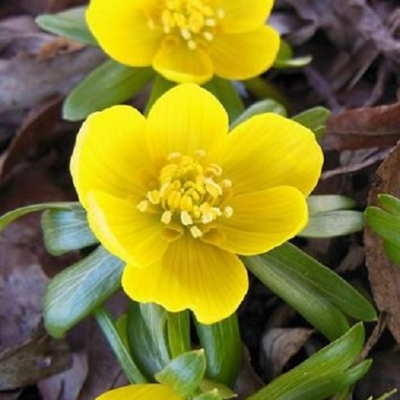
Eranthis hyemalis produce bright yellow flowers in the depths of winter followed by attractive green foliage. It is one of the earliest flowering garden flowers.
- Flowers: January-February
- Height: 10cm
- Bulb Size: 4/5cm
- Non UK native
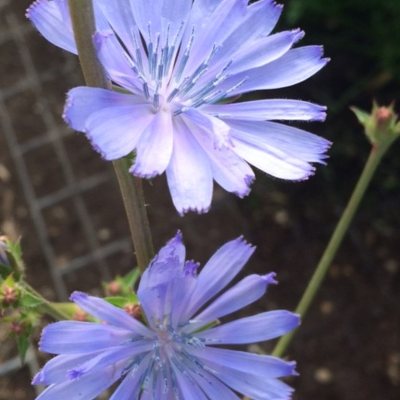
- Bold, beautiful star-like flower.
- Blue perennial, blooms June-Sept.
Also known as Blue Daisy, Blue Dandelion, Blue Sailors, Blue Weed, Bunk, Coffee Weed, Hendibeh, Horseweed, Ragged sailors, Succory, Wild Bachelors buttons and Wild Endive. Many varieties of this star-like clear blue-flowered plant are cultivated for a broad spectrum of uses such as salad leaves, chicons or roots which once baked and ground can be used as a food additive and a substitute for coffee...
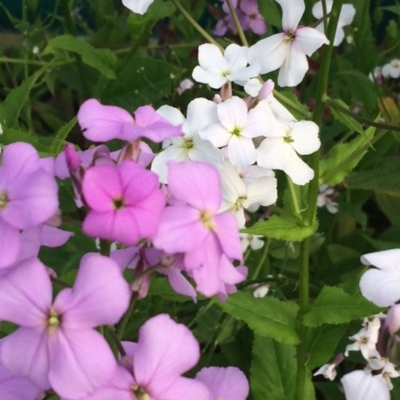
- An aromatic presence in the evening.
- Purple perennial, blooms May-Aug.
These purple or white flowers are great at attracting butterflies and look good in borders, you'll notice they become more fragrant towards the evening. Dames violet plants are perennial plants that don't mind being in the shade.
- Height: 60 - 90cm
- Requires: Sun or light shade
- Flowers: May-August
Our ready-to-plant wildflower plug plants offer a quick, reliable way to establish wildflower...
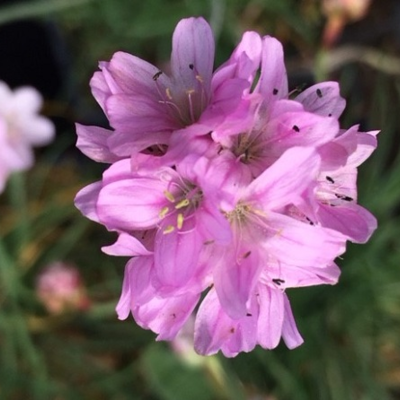
- Multi-headed, rockery species.
- Pink perennial, blooms May-Sept.
A favourite nectar source for butterflies, Thrift is a rockery plant forming cushions of fine grass-like leaves that will have vibrant, multi-headed pink flowers on tall stems.
- Height: 5 - 22cm
- Requires: Sun, well-drained soils
- Flowers: May - September
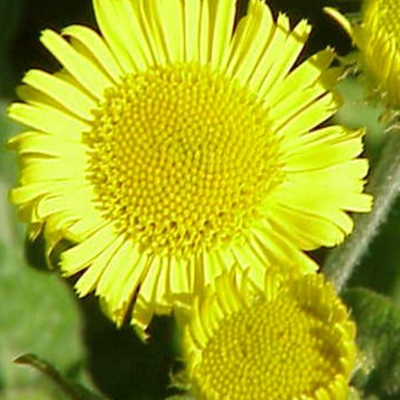
- Common in wetland areas.
- Yellow perennial, blooms Aug-Sept.
Fleabane is a native perennial wildflower plant common in marshes, ditches and wet meadows. Rare in Scotland. It is an upright woolly wildflower plant with clusters of gold flowers during August and September.
- Height: 25 - 60cm (10in - 2ft)
- Requires: Moist soils, sun
- Flowers: August - September
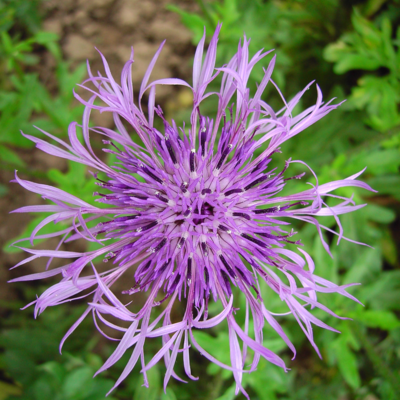
- Most common on chalky soil.
- Purple perennial, blooms July-Sept.
A native perennial wildflower plant, common on dry grassland, roadsides and hedgerows, especially on chalky soils. Reddish purple thistle-like flowers on long stalks are produced from July to September.
- Height: 30 - 90cm (8-36in)
- Requires: Full sun on well-drained soil
- Flowers: July - September
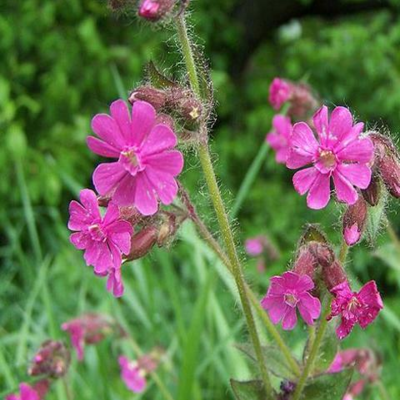
- A true classic, vivid in colour.
- Pink perennial, blooms May-June.
A classic hedgerow and woodland edge perennial found across the whole of Britain. The flowers are usually a deep pink colour but can also be white or pale pink. The Latin name ‘Silene’ is after the merry, drunken god of woodlands.
- Height: 30 – 90cm
- Requires: Semi shade or full sun on rich soils
- Flowers: May - June
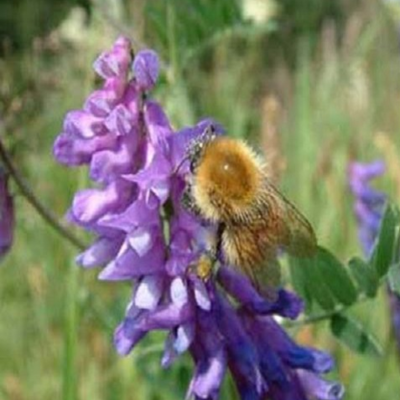
If you are trying to encourage bees the Bee wildflower plant collection is the one your looking for. This plug plant collection contains a minimum of 10 species available from our range and provide an excellent food source for bees.
- A minimum of 10 species will be chosen from the species list and used in equal quantities.
- Excellent food source.
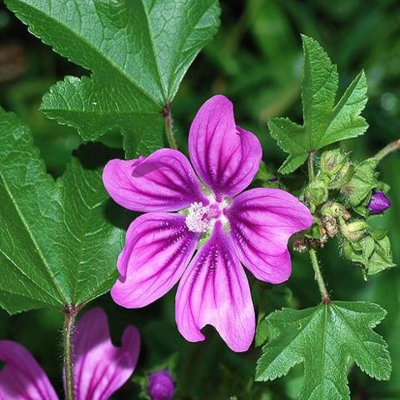
- Flourishes in direct sunlight.
- Pink perennial, blooms June-Sept.
Common mallow is a very ornate, tough plant with an abundance of pink/purple flowers. To get the best from this pretty plant place in full sun and in well-draining soils.
- Height: 30 - 90cm
- Flowers: June - September
- Soil Requirement: Well-drained
- Light Requirement: Full sun
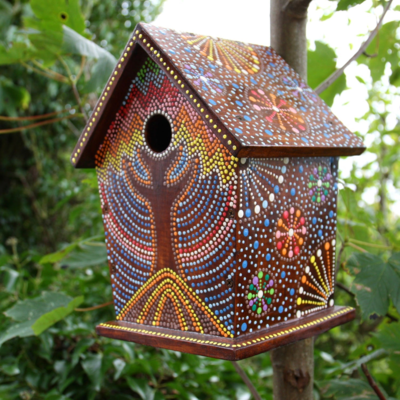
- Carefully Hand-Painted
- Made from Sustainably Sourced Timber
This cosy nest box is the perfect little hideaway for small birds, offering a safe and snug place to roost, rest, and nest from autumn right through to spring! Just in time for raising their hatchlings! Each box is lovingly handcrafted and hand-painted using traditional techniques, and made from sustainably sourced timber, so it’s as kind to the planet as it is to its feathered guests.
- Carefu...
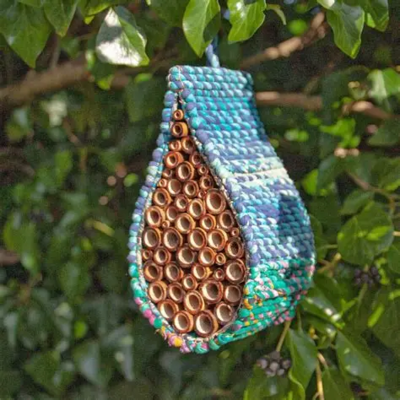
- Handcrafted in Bangladesh
- Crafted from Recycled Saris
These Bee Nesters are handmade in Bangladesh from recycled saris, turning vibrant textiles into beautiful homes for bees while helping support families out of poverty. No two are ever the same, making each Artisan Bee Nester completely unique and full of character.
- Handcrafted in Bangladesh
- Crafted from Recycled Saris
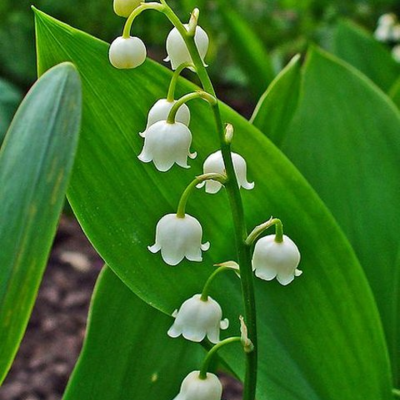
Spring flowering white, bell-shaped flowers of about 5-10mm diameter, Lily of the valley are renowned for their unique sweet scent and are well suited to damp woodlands.
- Flowers: May-June
- Height: 20-30cm
- Bulb size: Pips
- UK native
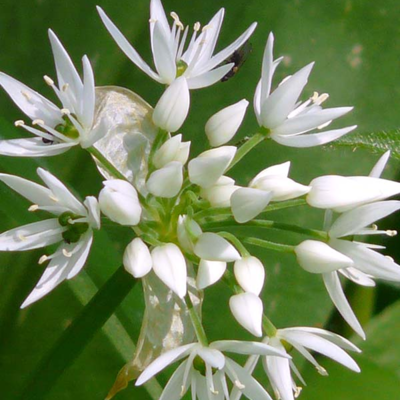
Wild Garlic (or Ramsons) often spread to form large clumps. They are usually found in damp woods or hedges where their garlicky aroma will fill the air. The leaves are edible and have a surprisingly mild flavour.
- Flowers: April-June
- Height: 50cm
- Bulb size: S1
- UK native
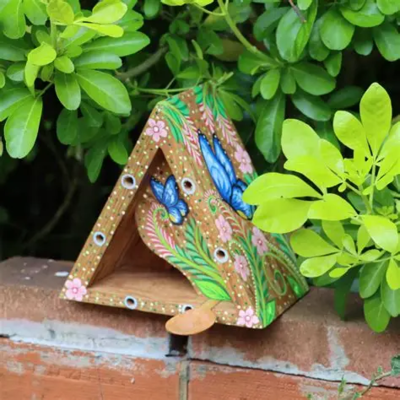
- Features a Removable Feeding Spoon
- Individually Hand-Painted
Bring colour and life to your garden with this handcrafted butterfly, bee, and bug hotel! Made in Bali from sustainable wood and decorated with beautiful dot painting, it provides nesting holes for solitary bees and a safe overwintering space for butterflies and other beneficial insects. The removable feeding spoon can be filled with butterfly food, sugar paste, or fruit, making it easy to attract...
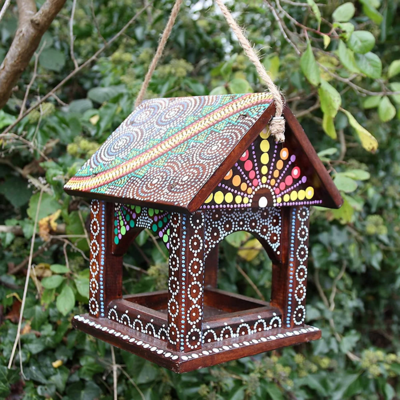
- Carefully Hand-Painted
- Made from Sustainably Sourced Timber
This bird table is the perfect spot to offer a variety of wild bird foods, from seed mixes and kibbled peanuts to suet snacks and safe food scraps. Handcrafted from sustainably sourced timber and decorated with traditional painting techniques, it’s not only practical but also a unique and charming feature for your garden.
- Carefully Hand-Painted
- Made from Sustainably Sourced Timber
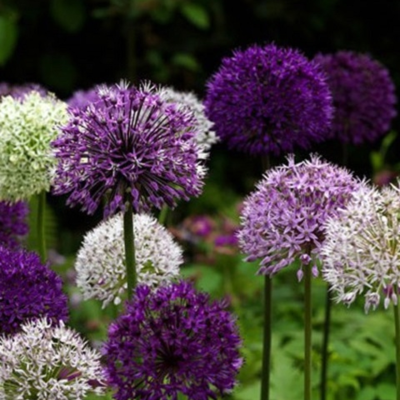
This collection includes at least four varieties of alliums, differing in height, shape, and colours, designed to produce striking elements in the garden or to serve as an impressive arrangement of dried flowers. These splendid allium flower heads provide an abundant source of nectar for pollinating insects.
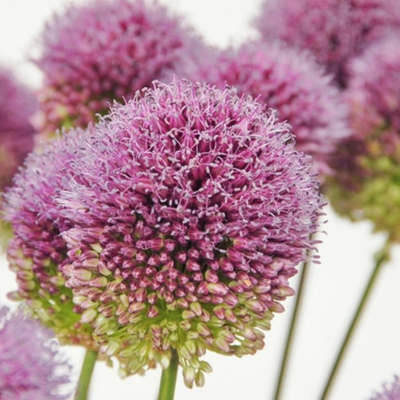
This allium, when planted in clusters, yields unique egg-shaped blossoms that unfold into a vibrant purple hue. After the flowering period concludes, the flower heads can be dried and treated with spray, resulting in attractive decorative arrangements for your home.
- Height (cm): 60cm
- Bulb Size (cm): 6+cm
- Blooms: June
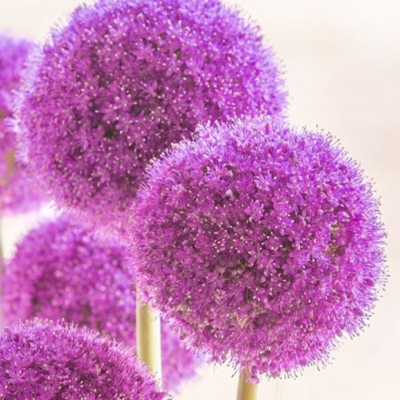
Large violet-purple spheres, which can expand to 6 inches in diameter, these magnificent alliums provide both structure and emphasis to borders and flower beds, serving as an excellent conversation starter during garden gatherings.
- Height (cm): 150cm
- Bulb Size (cm): 20cm+
- Blooms: June/July
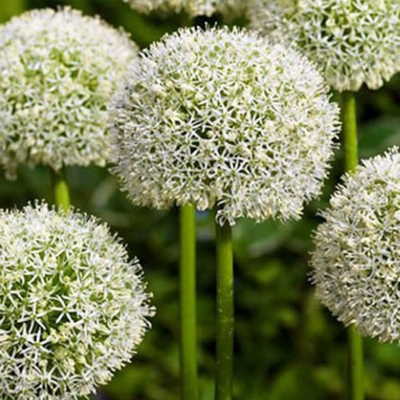
The Mount Everest Alliums, with their magnificent pure snowy white blooms, are truly a stunning spectacle that captures attention. They are ideal for introducing height and structure to garden borders and flower beds.
- Height (cm): 120cm
- Bulb Size (cm): 20+cm
- Blooms: June
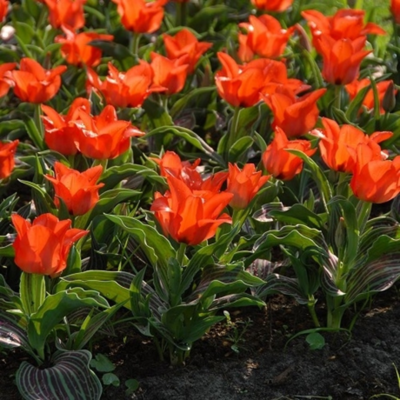
Standing out with its charming, compact form, the Red Riding Hood tulip creates an inviting contrast with its rich deep red petals that also have a touch of orange. Great for adding to rock gardens, along borders and in containers thier smaller size means they are great for fitting into various spaces.
- Category: Dwarf Rockery
- Height: 25cm
- Bulb Size: 12/14cm
- Blooms: March/ April
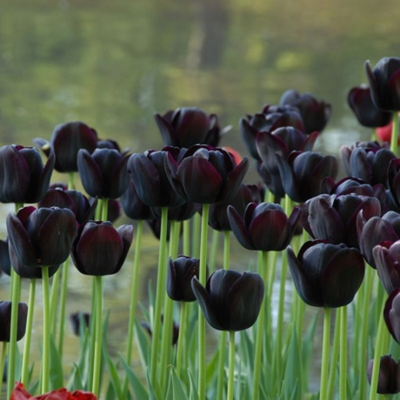
One of the best selling tulip varieties, the ever popular timeless Queen of Night tulip is a favourite with gardeners and floral designers. Their sleek deep maroon statement petals, stand tall on deep green stems appear as the other flowers are fading.
- Category: Single Late
- Height: 60cm
- Bulb Size: 10/12cm
- Blooms: early May
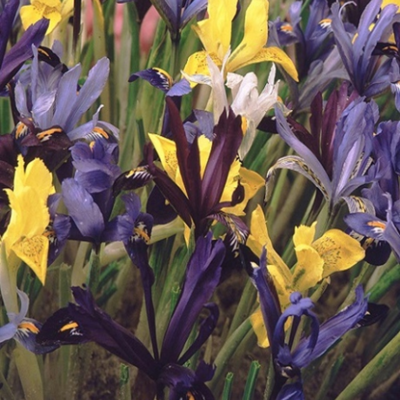
This collection features a vibrant assortment of various colored Iris varieties, making it perfect for introducing early hues to your garden and initiating your spring-flowering showcase. This cost-effective bundle of striking flowers pairs beautifully with Snowdrops and Winter Aconites.
- Height (cm): 15cm
- Bulb Size (cm): 6/+cm
- Blooms: February/ April
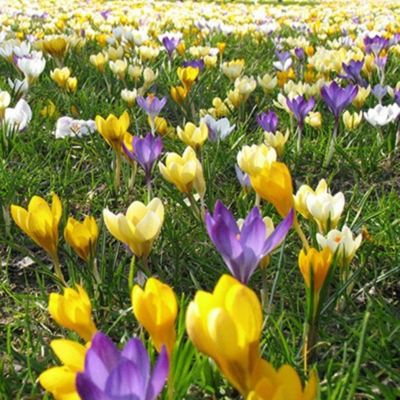
This blend has been carefully crafted to showcase a remarkable selection of named large-flowering varieties, particularly suited for large landscaped areas and mass plantings, with the goal of creating vibrant carpets of colour in early spring.
- Height (cm): 10cm
- Bulb Size (cm): 8/9cm
- Blooms: March/ April
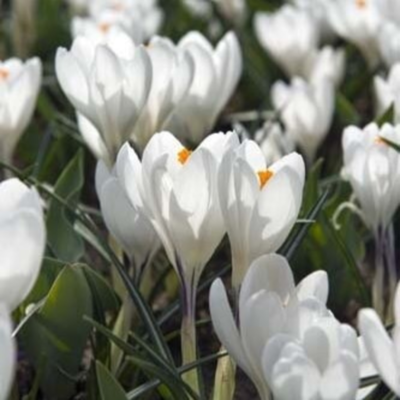
These early spring flowering bulbs, appealing to bees and other pollinators, yield pristine white blooms in the shape of goblets.
- Height (cm): 15cm
- Bulb Size (cm): 7/8cm
- Blooms: March
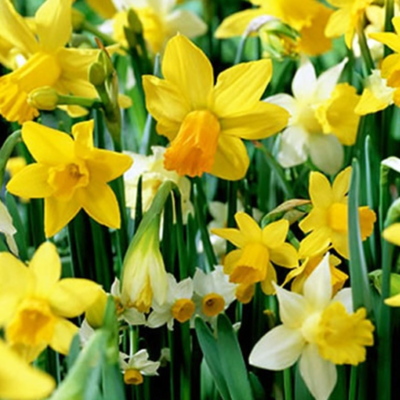
This carefully curated blend is designed to create a vibrant and uplifting display in your spring garden, featuring a diverse assortment of varieties that will provide the much-anticipated burst of color as we emerge from winter.
- Height (cm): 20-40cm
- Bulb Size (cm): 5 / 7cm
- Blooms: March/ April
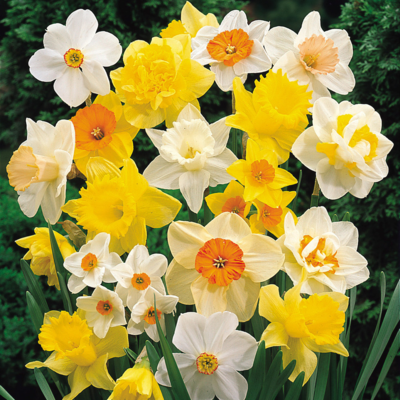
A stunning combination of daffodil varieties in an array of sizes, colours, and shape. Providing you with a diverse display of vibrant blooms ranging from bright yellows, whites to softer pale yellow and pinks. Ideal for creating a joyful touch to your garden they can also be great as a floral arrangement.
- Height (cm): 30-50cm
- Bulb Size (cm): 12 / 14cm
- Blooms: March-May
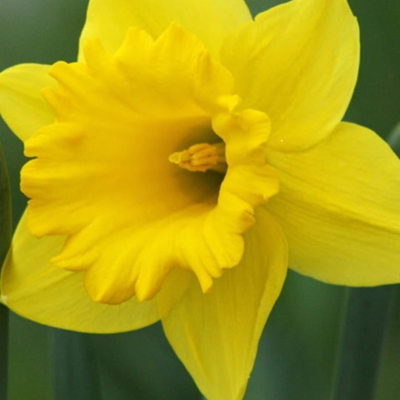
Bright lemon yellow in colour, the Camelot Daffodil is known as a hardy spring flower blooming early-mid spring. Relatively easy to grow, they thrive in well-drained soils with a sunny location.
- Height (cm): 35cm
- Bulb Size (cm): 12 / 14cm
- Blooms: April
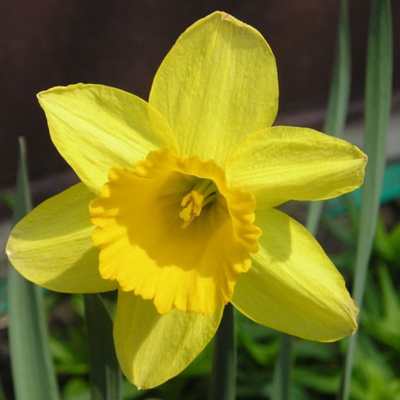
The pure yellow smooth petals, provide a clean and fresh look standing tall on their sturdy stems. Blooming mid spring, the Tamara narcissi adds a touch of sophistication to gardens, borders and even great to be used for floral arrangements.
- Height (cm): 35cm
- Bulb Size (cm): 12 / 14cm
- Blooms: March-April
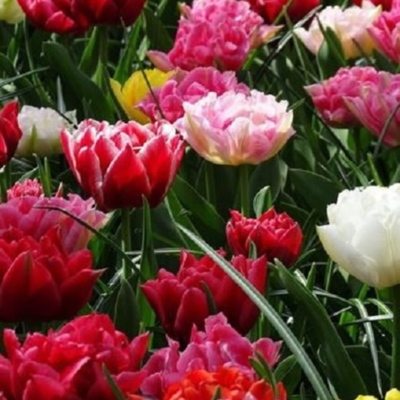
Known for their full, ruffled petals creating a lush peony-liek appearance. This collection offers thick dense volume, alongside striking colour combinations. Our mixed double tulip collection radiates elegance and will add a touch of charm to any setting.
- Height: 25-50cm
- Bulb Size: 12/14cm
- Blooms: April/ May
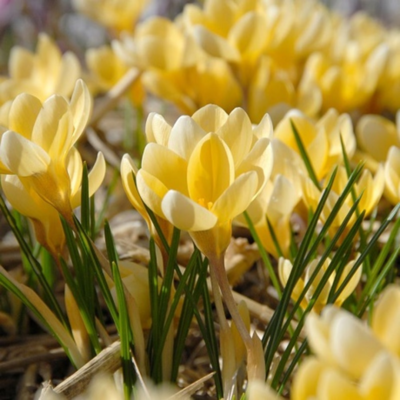
These flowers, characterized by their pale, creamy yellow hue, exhibit a more understated appearance compared to the majority of crocus varieties. Their exquisite blossoms will stand out gracefully within the winter bedding.
- Height (cm): 8cm
- Bulb Size (cm): 5/6cm
- Blooms: February/ March
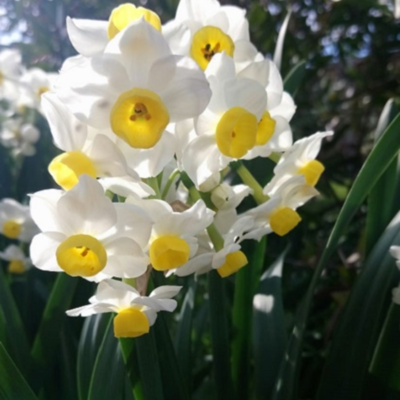
The charming narcissus features pale creamy yellow petals that encircle a vibrant golden yellow center. This early-blooming variety is highly favoured for container arrangements and bulb layering.
- Height (cm): 25cm
- Bulb Size (cm): 12 / 14cm
- Blooms: March/ April
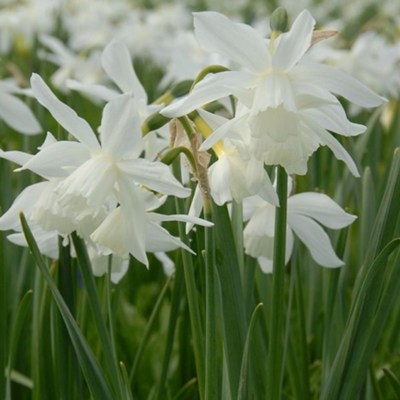
Multi-headed flowers, supported by robust stems, these snow-white narcissi are a favored variety. Distinct from many other narcissi, the pointed petals exhibit a near-transparent quality, making a striking impression when planted alongside yellow varieties or interspersed within carpets of muscari.
- Height (cm): 40cm
- Bulb Size (cm): 14 / 16cm
- Blooms: April
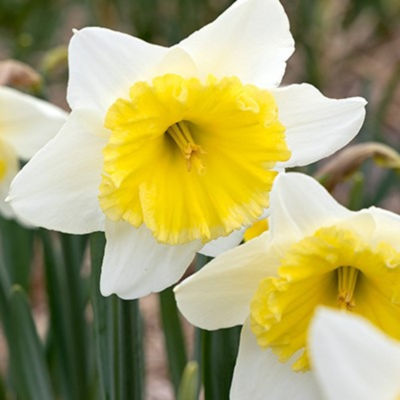
A graceful, yet striking variety of daffodil, the elegant Ice Follies narcissi are known for their soft pale yellow colour with a deep yellow trumpet centre. A hardy and reliable bloom appearing early spring, its subtle sweet fragrance makes it a popular chioce for all gardens.
- Height (cm): 35cm
- Bulb Size (cm): 12 / 14cm
- Blooms: March-April
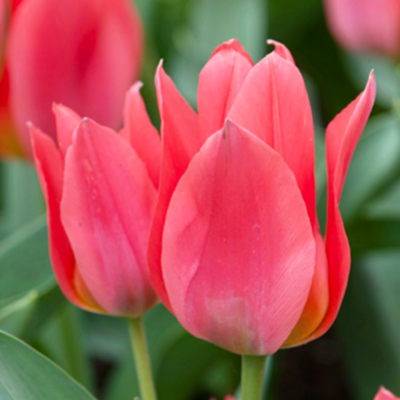
A vibrant and bold variety that catches the eye with its striking red fading to white petals. The smooth petals reach to a tip adding to its graceful appearance. Exuding energy the Toronto tulip is perfect for creating a lively, visually dramatic impact.
- Category: Greigii
- Height: 30cm
- Bulb Size: 12/14cm
- Blooms: April
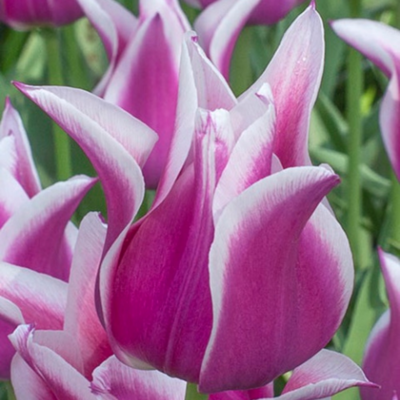
The Ballade tulip features long, fluted petals delicately covered in a rich purple shade, accented by a creamy white edge that adds to their elegance. This unique variety is sure to charm and impress everyone!
- Category: Lily Flowering
- Height (cm): 45cm
- Bulb Size (cm): 12/14cm
- Blooms: May
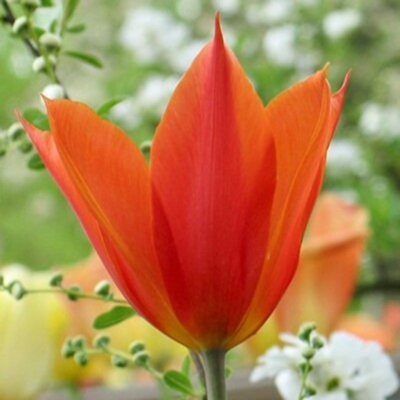
The Ballerina Tulip variety known for its lily-like flowers, features elegantly pointed petals adorned in a vibrant shade of bright orange. As a late bloomer, it serves as an excellent choice for introducing color during the late spring and early summer months.
- Category: Lily Flowering
- Height (cm): 50cm
- Bulb Size (cm): 12/14cm
- Blooms: May
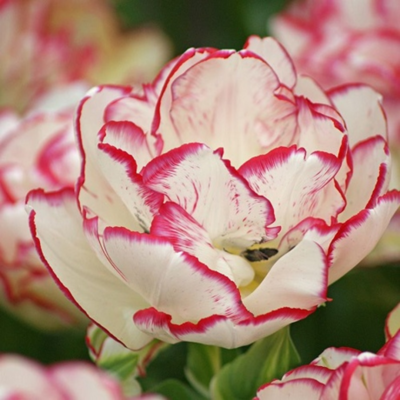
The Belicia variety showcases stunning creamy petals highlighted by vibrant pink edges. Perfect for enhancing borders, it produces large, long-lasting blooms that are sure to captivate.
- Category: Double Early
- Height: 40cm
- Bulb Size: 12/14cm
- Blooms: April/May
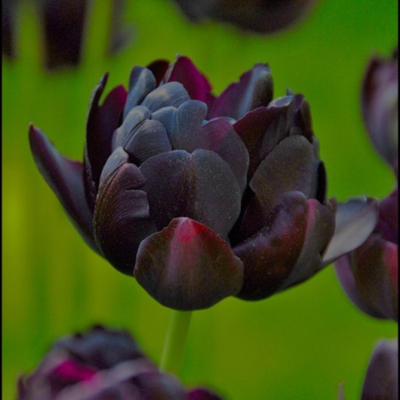
This tulip, with its eye-catching deep maroon color and shiny surface, is a staff favorite. Its vivid flowers make a breathtaking addition to landscaped gardens, pots, and borders.
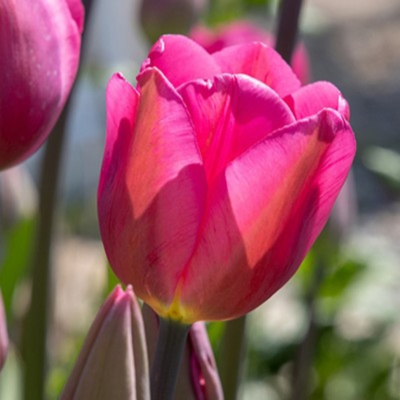
This stunning tulip variety, Don Quichotte, shines beautifully in garden borders and is also perfect for container planting. Its rose-pink flowers, adorned with a lovely purple sheen, will continue to impress season after season.
- Category: Darwin Hybrid
- Height (cm): 40cm
- Bulb Size (cm): 12/14cm
- Blooms: April/May
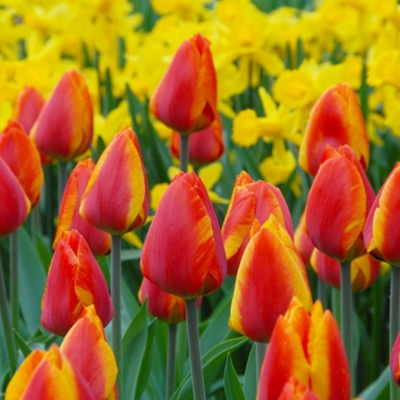
The Flair tulip displays breathtaking sunset colors, starting with a vivid raspberry red that gradually shifts to a warm yellow and orange at the edges. These early-blooming tulips are exceptionally beautiful and ideal for planting at the front of borders and flower beds.
- Category: Single Early
- Height (cm): 35cm
- Bulb Size (cm): 12/14cm
- Blooms: April
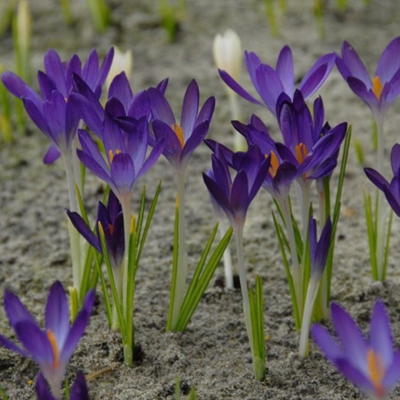
The Whitewell Purple crocus can begin to bloom as early as January, positioning it among the first varieties to flower. Its rich purplish-blue blossoms produce a breathtaking sight when bathed in sunlight.
- Height (cm): 8cm
- Bulb Size (cm): 5+cm
- Blooms: February/ March
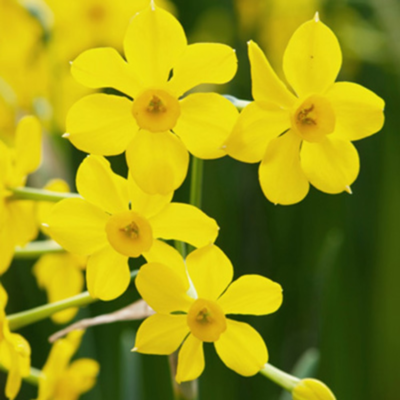
A distinctive daffodil that produces multiple miniature blooms, making it an excellent choice for cut flowers as well as for pot planting. This low-maintenance variety thrives in sunny locations and will provide vibrant color following a dreary winter.
- Height (cm): 20cm
- Bulb Size (cm): 8 / 10cm
- Blooms: March/ April
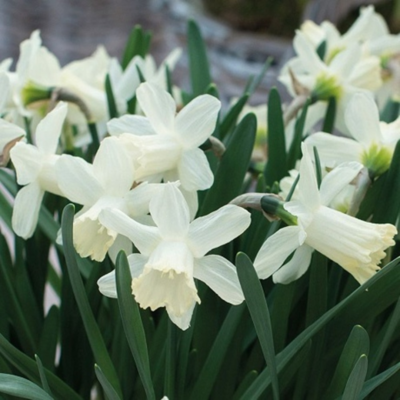
These elegant ice-white flowers, complemented by their dark green leaves, create a striking contrast in the spring sunlight. The petite white blooms that emerge in early spring are ideal for container planting and release a subtle fragrance.
- Height (cm): 25cm
- Bulb Size (cm): 8 / 10cm
- Blooms: March/ April
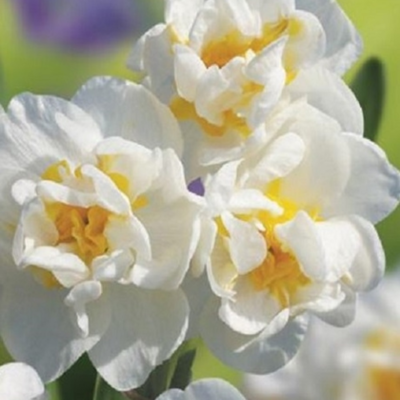
This double-flowering dwarf narcissus is distinguished by its creamy white petals and soft yellow center, producing clusters of blooms on each stem. It makes a beautiful addition to pots and garden borders alike.
- Height (cm): 40cm
- Bulb Size (cm): 10 / 12cm
- Blooms: March/ April
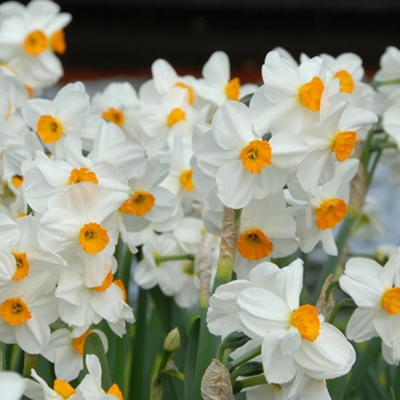
This variety of narcissi blooms slightly later than some others, making it an excellent choice for enhancing a spring flowering arrangement. Each stem produces several pristine white flowers adorned with a vibrant orange center, ensuring they stand out beautifully and will significantly enhance your borders.
- Height (cm): 35cm
- Bulb Size (cm): 12 / 14cm
- Blooms: April
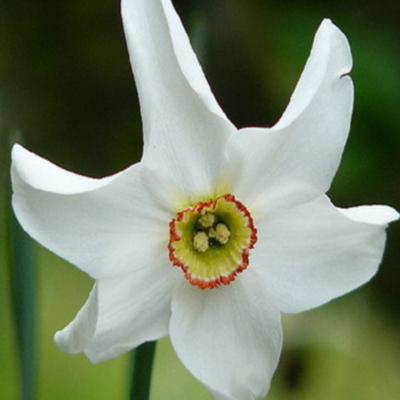
A favourite variety that excels in naturalization, the Pheasant's Eye narcissi is highly favored by enthusiastic gardeners due to its unique yellow central cup adorned with a red fringe, encircled by elegantly sharp white petals.
- Height (cm): 35cm
- Bulb Size (cm): 12 / 14cm
- Blooms: March/ April
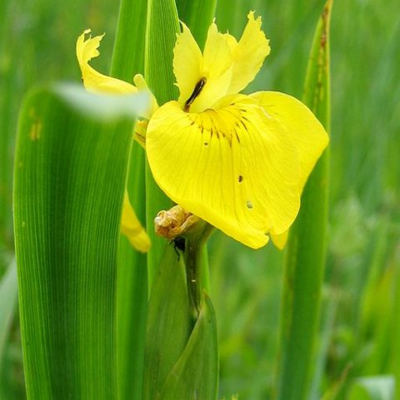
- Best suited to wet, low lying areas.
- Yellow perennial, blooms June-Aug.
Brightly coloured yellow flowers with sword-shaped leaves. This perennial wildflower will stand in water and grow tall, a sure way to brighten up the margins of our waterways.
- Height: 90cm
- Requires: Most situations
- Flowers: June - August
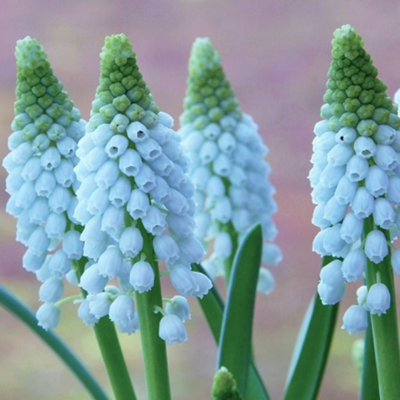
This eye-catching plant, featuring powder-blue blossoms, will add vibrancy to borders and create a lush look. Its attraction to bees and butterflies makes it a welcome addition to the garden.
- Height (cm): 15cm
- Bulb Size (cm): 7/8cm
- Blooms: April
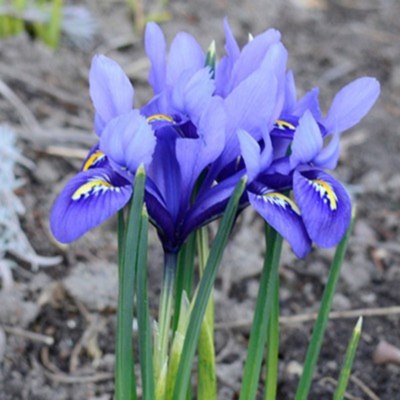
Royal blue petals adorned with a golden yellow streak make this traditional garden favorite a delightful sight in early spring. This compact flowering variety emerges alongside the snowdrops, providing a much-appreciated burst of color.
- Height (cm): 15cm
- Bulb Size (cm): 6/+cm
- Blooms: February/April
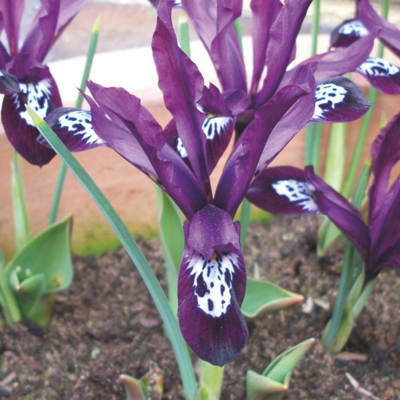
Plum-hued petals enhanced by the splendid design within. This is an excellent choice for introducing vibrant color at the beginning of the new year.
- Height (cm): 15cm
- Bulb Size (cm): 6/+cm
- Blooms: February/ March
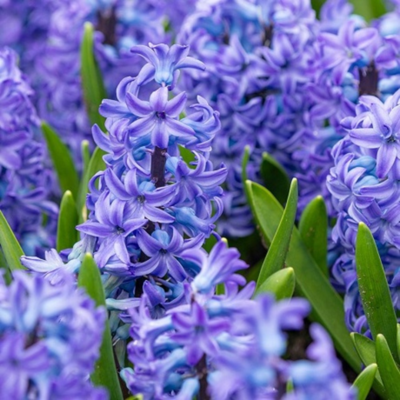
Soft shades from blue to turquoise, often with hints of lavendar, the deep green foliage adds to create a beautiful contrast. Aqua hyacinths are a stunning variety, offering vibrant blooms with a soft scent.
- Height (cm): 20cm
- Bulb Size (cm): 16 / 17cm
- Blooms: March-April
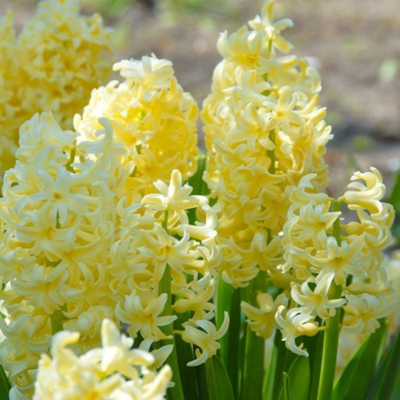
Attracting pollinators with its delightful aroma, the City of Haarlem is a ray of sunshine with its vibrant golden lemon blooms. Popular for use in focal garden designs this versatile bloom is a beautiful addition to any garden.
- Height (cm): 25cm
- Bulb Size (cm): 16 / 17cm
- Blooms: March-April
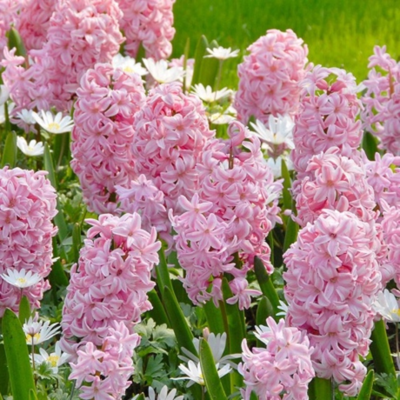
With its sugary light pink blooms, this delectable hyacinth blooms in the middle of spring. Fondant hyacinths are a pure delight to the eye and perfect for creating a cottage garden feel.
- Height (cm): 25cm
- Bulb Size (cm): 16 / 17cm
- Blooms: March-April
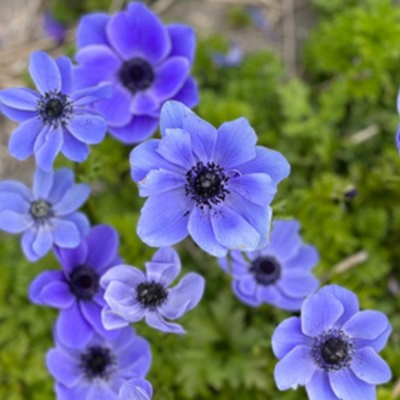
Landscapers and gardeners highly favor these exquisite purple and blue flowers, as they contribute both drama and vibrancy to garden borders. For a striking display of color and varying heights, consider planting them alongside alliums and tulips.
- Height (cm): 25cm
- Bulb Size (cm): 7/8cm
- Blooms: June
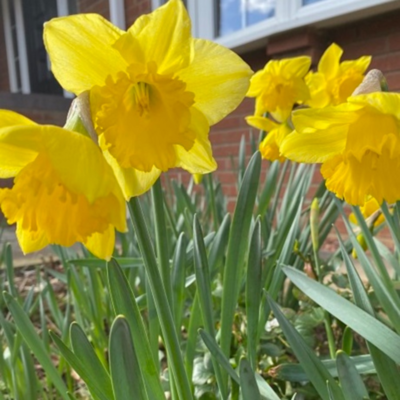
Classic variety of daffodil, the King Alfred is a long standing and true garden favourite, mainly down to its cheerful appearance and ability to thrive in various growing conditions. Featuring large golden yellow petals radiating outwards from the golden yellow trumpeted centre.
- Height (cm): 35cm
- Bulb Size (cm): 12 / 14cm
- Blooms: March-April
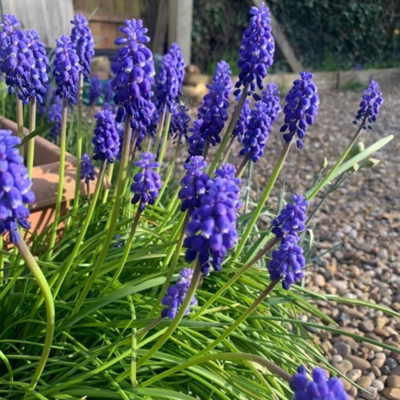
The Armeniacum muscari, with its rich cobalt blue hue, is among the most prevalent and favoured varieties. As time progresses, these flowers will multipy, creating a stunning carpet of enduring blue blossoms in the early spring season.
- Height (cm): 15cm
- Bulb Size (cm): 9/10cm
- Blooms: March/ April
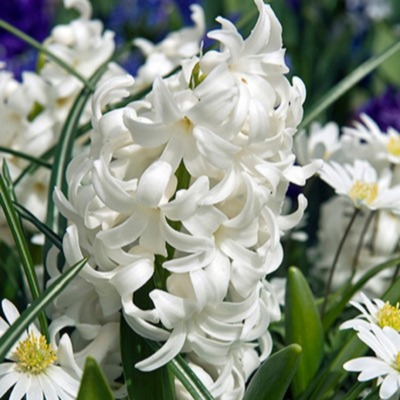
Perfect for creating a soothing area, the Carnegie White hyacinths offer a timeless serene feel with their pristine white blooms and soft scent. A pure beauty, sure to add impact in any spring garden.
- Height (cm): 25cm
- Bulb Size (cm): 16 / 17cm
- Blooms: March-April
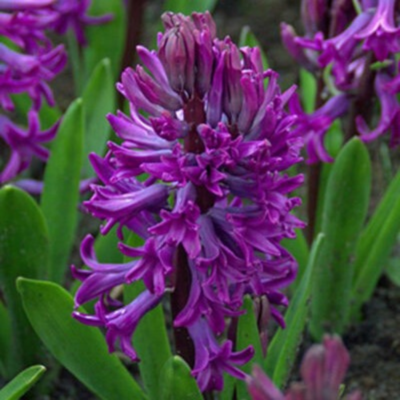
An excellent choice for creating contrast in gardens, complementing both other blooms and greenery. The Purple Sensation Hyacinth adds a nectar source for pollinating insects whilst giving charm to your outdoor space.
- Height (cm): 25cm
- Bulb Size (cm): 16 / 17cm
- Blooms: April-May
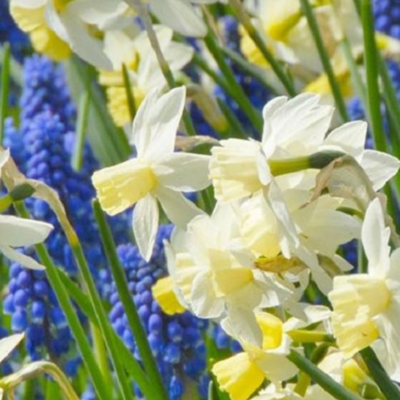
A refreshing and serene display, combining the charm of muscari with the elegance of daffodils. The harmonious contrast of the bulbs bring warmth and brightness, alongside a peaceful fresh atmosphere, creating the perfect place to relax.
- Height (cm): 10-20cm
- Blooms: March-April
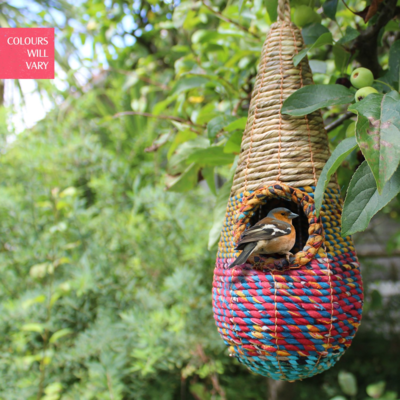
- Made from Recycled Saris & Natural Seagrass
- Handcrafted in Bangladesh
The Tahera Artisan Bird Nester is a circular wild bird nester. This shape offers a smaller cavity for the smaller species of garden birds offering a cosy place to roost in during the harsh winter. In the springtime, this doubles up as a suitable nest for smaller birds.
The sturdy inner frame provides good support, attached to strong metal hooks that make this easy to attach in your garden among...
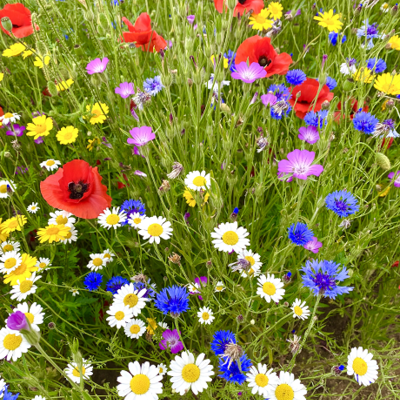
- 5 colourful cornfield annuals - red, blue, purple, white & yellow
- Includes poppy, cornflower, corn marigold, corncockle & corn chamomile
Behold, this boldly-coloured combination of our most popular annual wildflower seeds! The classically-charming Chamomile, the distinct and beautiful blue petals of the Cornflower, bright yellow Marigold wildflowers and rich red Poppies, make for a vibrant palette that works well on its own or bolstering a perennial patch for some first year colour.
- All the flowers in this collection are recommended by the RHS as ‘Perfect for Pollinators’...
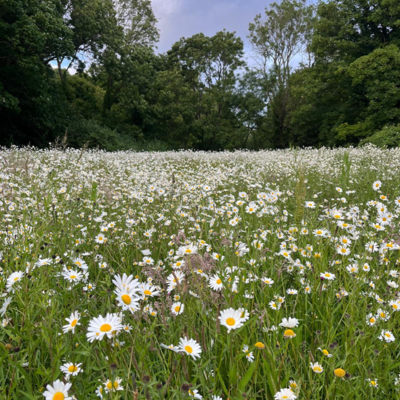

10% of the sales of this wildflower seed mix is donated to Buglife, the UK’s leading wildlife conservation charity for pollinators and insects.
- Provides vital pollen and nectar
- Creates habitat for invertebrates
Created in partnership with our wildlife conservation partners at Buglife, our pollinator friendly wildflower seed mix is designed to keep the planet’s tiniest heroes thriving! The perfect wildflower seed mix for bees, butterflies, beetles and other bugs. Sow these seeds and watch your garden burst into a nectar-packed haven that feeds and shelters our precious pollinators.
- Contains 14 perenn...
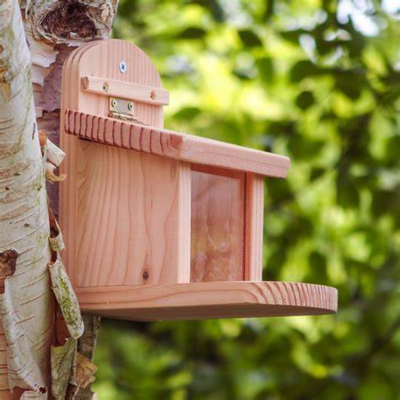
Find the perfect spot for this squirrel feeder in your garden that give you plenty of opportunities at watching the squirrels make their fun.
- Tough durable exterior to keep this feature in your garden for many years to come
- Made from high quality naturally durable FSC managed timbers
NB - if you live near to, or in an area where both red and squirrels frequent, please consider the following advice. If red squirrels are present in your area, and grey squirrels begin visiting your garden, we advise stopping feeding immediately to prevent disease transmission. Feeding stations create high risk of disease spread, including squirrelpox virus which does not effect greys (or humans), but is sadly deadly to reds. For more information on the two species see ...
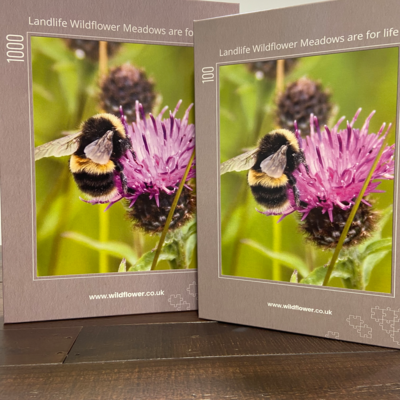
- Perfect Stocking Filler
- Available as 100 or 1000 piece jigsaws
Bring your wildflower meadow inside with our brightly coloured bee jigsaw puzzle which showcases a Bumble Bee on a bold, bright Common Knapweed flower. With its vivid green background, this Jigsaw isn't for the faint-hearted!
- Made from thick, durable board
- Completed Size (100 Piece*): 48 x 36cm
- Completed Size (1,000 Piece): 64 x 48cm
- Each puzzle is carefully enclosed in a rustic gift box...
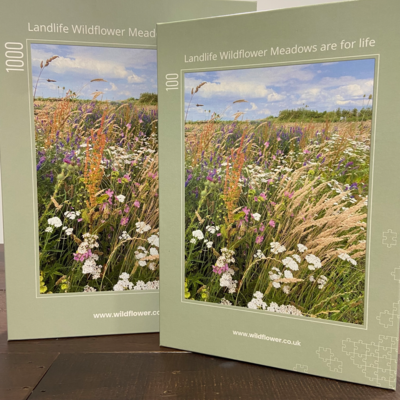
Turn your favourite meadow into a fun pastime with our Native Flora Jigsaw Puzzle! This bright and bold design captures our wildflower meadow at its best with various species differing in colour, height and stature. Suited to a wide age range, our Jigsaw Puzzles are the perfect gift for any wildflower enthusiast!
- Made from thick, durable board
- Completed Size (100 Piece*): 48 x 36cm
- Complete...
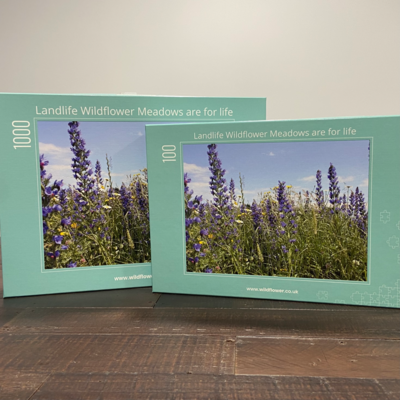
A unique and entertaining gift for all the family! Our stunning Coastal Areas Jigsaw Puzzle is available in two sizes and features UK Native Wildflower 'Viper's Bugloss', a beautiful species which you may find in your own meadow!
- Made from thick, durable board
- Completed Size (100 Piece*): 48 x 36cm
- Completed Size (1,000 Piece): 64 x 48cm
- Each puzzle is carefully enclosed in a rustic gift box...
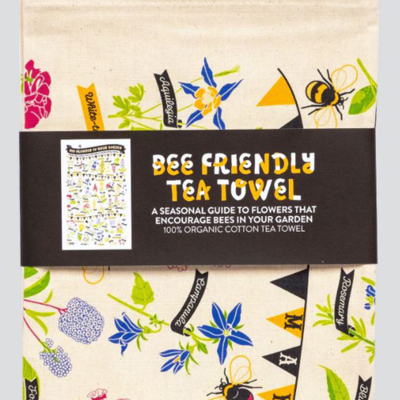
Created using unbleached and organic cotton, this unique tea towel features a guide to seasonal wildflowers perfect for bees and other pollinators - a delightful addition to any kitchen!
Designed and produced in collaboration with Friends of the Earth to increase awareness of the vital contribution bees make to our food supply, economy and quality of life.
- Organic and unbleached
- Size - 48cm...
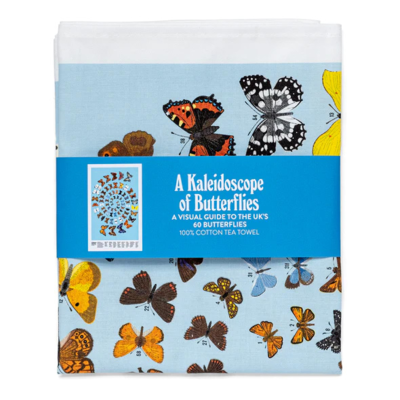
A brand new edition to our range showcasing 60 wonderful native and migrant Butterflies that are in need of our support to help stop the decline in numbers that we are sadly seeing with how the environment is changing.
This tea towel has been designed and produced in collaboration with Friends of the Earth and provides a good guide for all the species you may see in your own garden.
- 100...
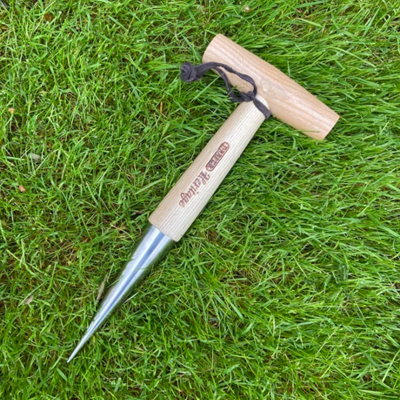
The ultimate tool for planting quickly and easily your plants and bulbs. A quality solid ash handle securely fitted to a hardened carbon steel head, the traditional design is ideal to assist in planting your plants and bulbs into beds, borders and grassland.
- Made of high quality hardened carbon steel
- Weatherproofed ash wood handle
- Hammer finish, powder coated head for improved rust resistance
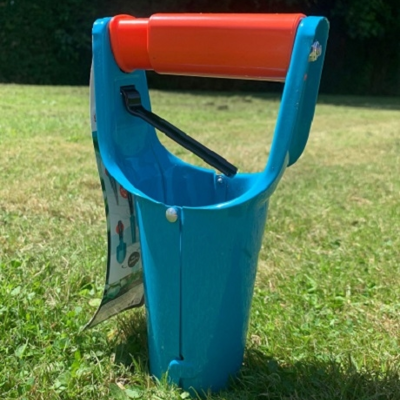
Making bulb planting easier, quicker and cleaner, our bulb planter is the ideal tool for helping you plant your native spring-flowering bulbs.
- Made of high-quality steel
- Automatic release on the handle
- Duroplast coating - impact, elastic, abrasion, and corrosion - resistant
- Depth Scale
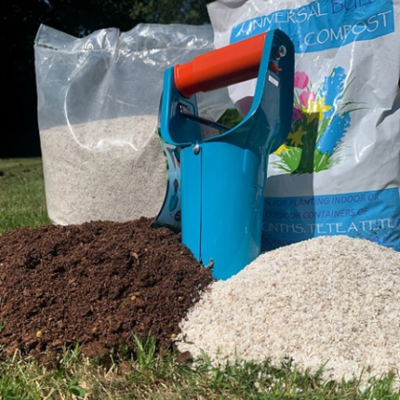
Our bulb planting essentials pack has been put together for the ease of ensuring quick planting and a great display. The bulb planter will help you plant the bulbs with ease whilst the fibre will ensure the bulbs do not rot when planted into pots or containers. Using the bulb fertiliser will ensure your bulbs have all the nutrients they need whilst establishing.
- 1 x Bulb Fibre
- 1 x Bulb Planter
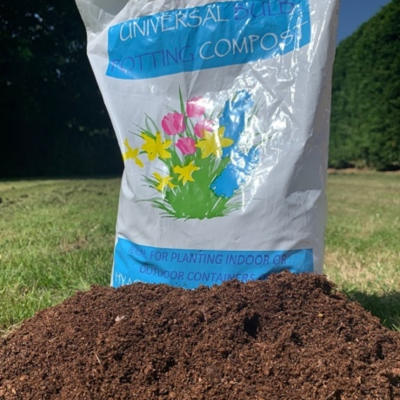
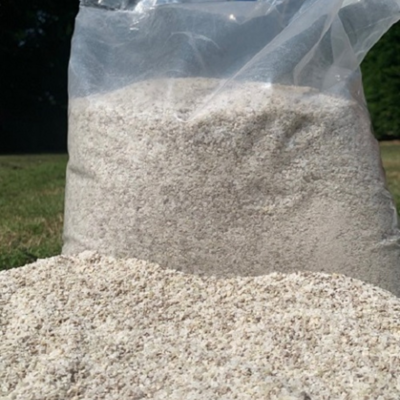
Helping to provide an open and free-draining soil structure to establish bulbs in pots, beds and borders without the risk of the bulbs rotting.
- Ideal for planting with spring flowering bulbs
- 500gm bag - this pack is sufficient for 3 x 1-litre pots
- Gives bulbs the nutrients they need
- Can be mixed with compost or bulb fibre
Specifically designed to help your spring flowering bulbs flower to their potential, our bulb fertiliser is suitable for use when planting or in early spring to encourage your bulbs to flower well in the following season. Whether you are establishing in pots or containers, sprinkle a small amount into each hole prior to planting your bulbs.
- Gives bulbs the nutrients they need
- Can be mixed wit...
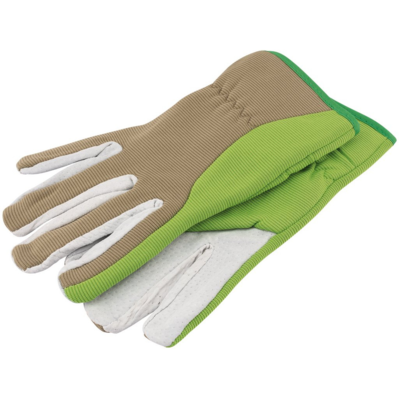
- Medium duty
- Available in 2 sizes
Built for brambles, borders, and everything in between. Tough on the outside, comfy on the inside; perfect for getting stuck in without roughing up your hands! These sturdy gloves are your new garden sidekick, made from tough leather for reliable use, season on season!
- Fantastic all-round protection for gardening tasks
- Breathable elasticated back and open cuffs ensure hands remain comfortable
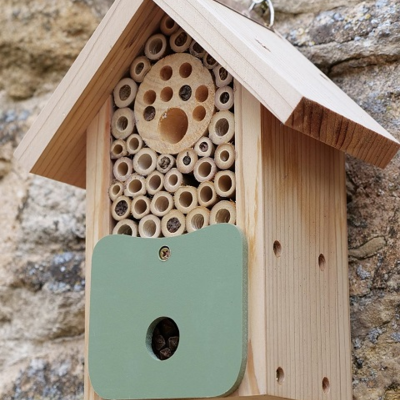
- Safe habitat for all types of bees
- Eecycled swivel door to allow access to the lower compartment
The Bee Barn provides a safe habitat for all types of bees. As well as the bees that love this home you will find that other pollinators find solace in this beautiful barn. Nesting material can be added into the various compartments to help the other pollinators along.
- The bee barn has a recycled swivel door to allow access to the lower compartment
- This is best suited to a south or south-east ...
Buy With Confidence
Landlife Wildflowers grow and supply high-quality, native wildflower products, restoring wildflowers right across the UK. Working in conjunction with wildlife charity, Buglife, we’re bringing back Britain’s treasured wildflowers! Find out more about why we’ve been trusted by the general public, Natural England and The National Trust for over twenty years.
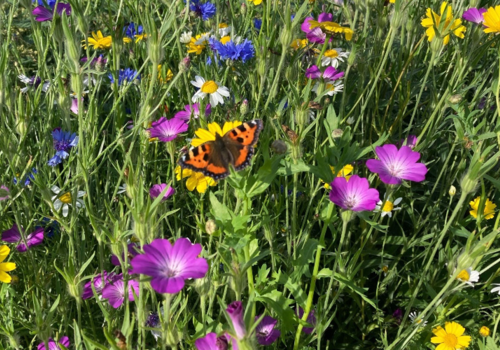
We’re proud to supply only the highest-quality, native wildflower products - tried, tested and refined by us for two decades to ensure each and every customer is delighted with their purchase. Find out more about our commitment to the supply of native, provenance-assured wildflower products to restore Britain’s natural wildflower habitats for bees, butterflies, birds and wildlife.
If you have any questions or would like to get in touch, our team of wildflower experts are on hand to guide you every step of the way. We love talking about wildflowers and the quality of our products, and are pleased to help with any enquiry, including how to establish wildflowers, product recommendations and even creating custom mixtures for specific projects.