Wildflower Plug Plants
Buy native UK wildflower plug plants from Landlife Wildflowers, the wildflower experts. Our wildflower plug plants are grown from UK native seed and are available to buy as individual species, in beautiful collections and even as wildflower turf. Wildflower plug plants are easy to grow and can create a stunning display while providing food and habitat for bees, butterflies and other pollinators.
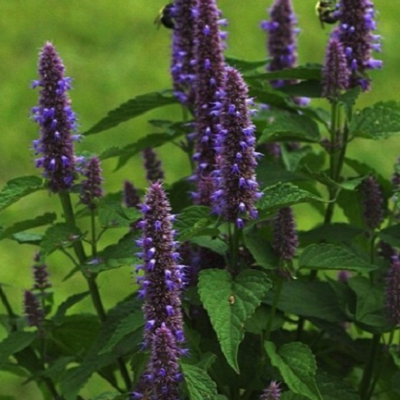
Anise hyssop has scented leaves with violet coloured soft flower spikes, this is an excellent plant for butterflies and bees and a great addition to any herb garden.
- Height: 60cm
- Prefers: Sun
- Flowers: June onwards
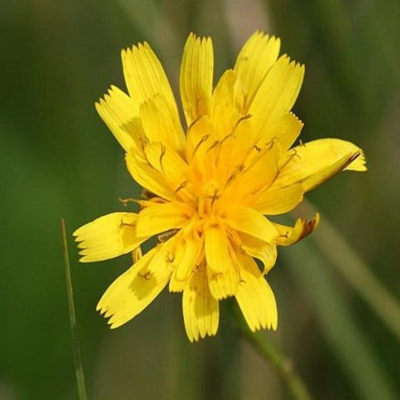
- Dandelion-like flowers.
- Yellow perennial, blooms July-Sept.
A perennial Wildflower plug plant with dandelion-like flowers and seed heads. A good showy meadow subject. The seeds are a magnet for Finches.
- Height: 15 - 50cm
- Flowers: July - September
- Soil Requirement: Moist
- Light Requirement: Full sun and partial shade
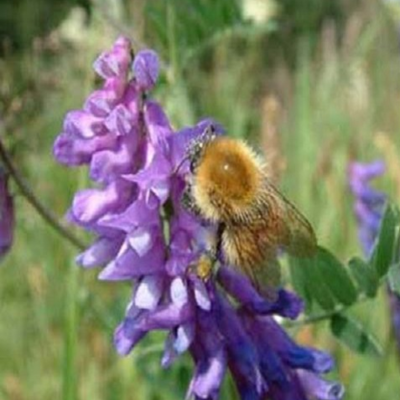
If you are trying to encourage bees the Bee wildflower plant collection is the one your looking for. This plug plant collection contains a minimum of 10 species available from our range and provide an excellent food source for bees.
- A minimum of 10 species will be chosen from the species list and used in equal quantities.
- Excellent food source.
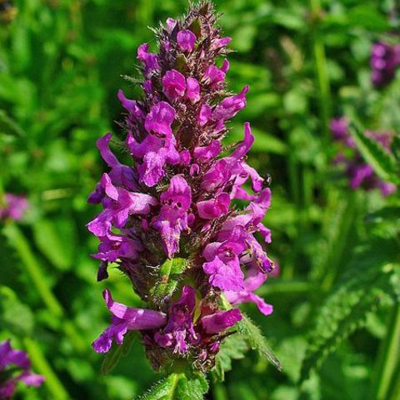
- Commonly found in open woodland.
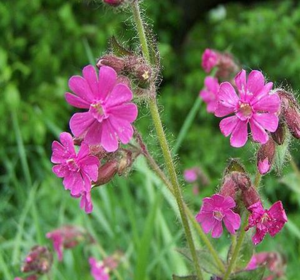
- Purple perennial, blooms June-Aug.
A native perennial common in England and Wales, usually on light soils, in open woods, grassland and hedgerows. Attractive to Bees and butterflies alike. Spikes of red-purple flowers are produced on long slender stems growing from a rosette of crinkled leaves.
- Height: 30 - 60cm
- Flowers: June - August
- Soil Requirement: Well-drained
- Light Requirement: Full sun or partial shade
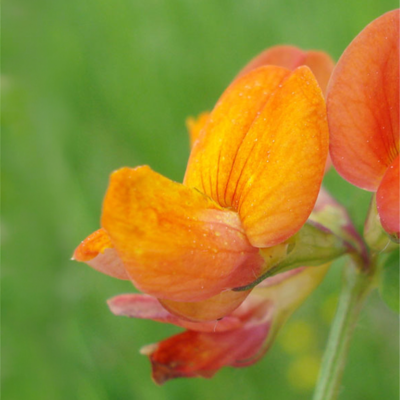
- An excellent nectar source.
- Golden perennial, blooms May-Oct.
A common creeping native wildflower perennial of dry grassland and roadside, with bright yellow wildflowers, often streaked with red. The cluster of long seed pods looks like a bird's foot. An excellent nectar wildflower plant and a caterpillar food plant for the Common Blue, Dingy Skipper and Clouded yellow butterflies.
- Height: 15 - 25cm
- Flowers: May - October
- Soil Requirement: Well-drained
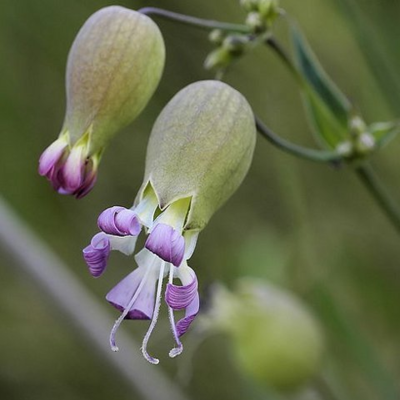
- Attractive to butterflies.
- White perennial, blooms June-Aug.
This unusual plant has white flowers that have a purple-veined bladder that slightly droops. This plant is a nectar plant and a great addition to any area you wish to encourage butterflies.
- Height: 20 - 40cm
- Flowers: June - August
- Soil Requirement: Well-drained
- Light Requirement: Full sun
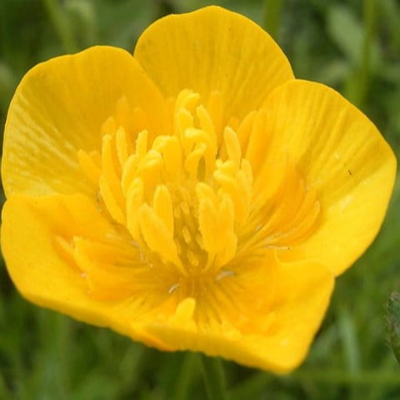
- Perfect for a sunny wild garden.
- Yellow perennial, blooms Mar-June.
A bulbous rootstock with glossy yellow flowers. A good perennial for a sunny wild garden.
- Height: 30-45cm
- Requires: Sun, free drained soil
- Flowers: March - June
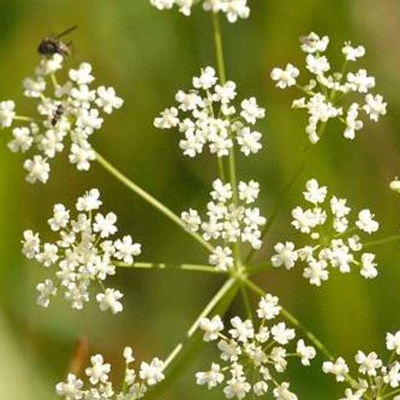
- Nutritional value for sheep and cattle.
- White perennial, blooms July-Sept.
Highly nutritious for sheep and cattle, the tall stems proudly hold multiple crisp white flower heads. Suitable to calcareous soils they do prefer a sunnier spot.
- Height: 30 - 60cm
- Flowers: July - September
- Soil Requirement: Well-drained, moist
- Light Requirement: Sun or partial shade
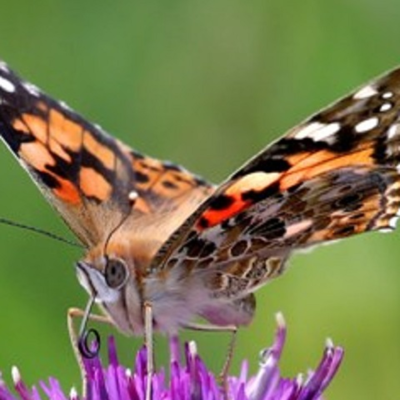
This selection of plants will attract butterflies into your garden, you'll receive a minimum of 10 species of plugs plants from the list. Your collection will capture the small purple flowers of Field scabious to the light scent of Musk mallow.
- A minimum of 10 species will be chosen from the species list and used in equal quantities.
- Designed to attract butterflies into your garden.
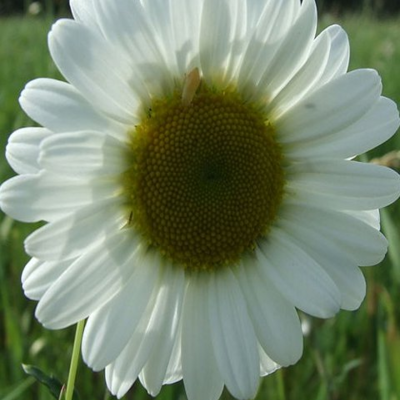
The Chalk and Limestone plug plant collection is made up of a minimum of 10 species from the list below and is made up of the specie you would expect to find in natural chalk and limestone meadows. This collection will blossom in the most chalky, calcareous soils.
- A minimum of 10 species will be chosen from the species list and used in equal quantities.
- Suitable for chalk and calcareous soils. ...
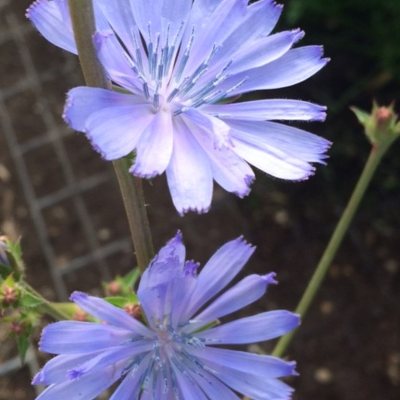
- Bold, beautiful star-like flower.
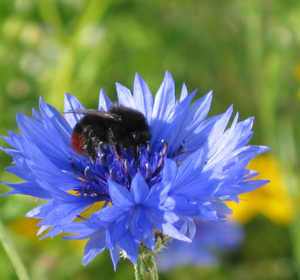
- Blue perennial, blooms June-Sept.
Also known as Blue Daisy, Blue Dandelion, Blue Sailors, Blue Weed, Bunk, Coffee Weed, Hendibeh, Horseweed, Ragged sailors, Succory, Wild Bachelors buttons and Wild Endive. Many varieties of this star-like clear blue-flowered plant are cultivated for a broad spectrum of uses such as salad leaves, chicons or roots which once baked and ground can be used as a food additive and a substitute for coffee...
When ordering this Clay soil plug plant collection you will receive a minimum of 10 small plugs that are specifically picked for soils that dry out during the summer and retain water during the winter. This beautiful collection of plants will help you create the perfect meadow in areas of poor drainage.
- A minimum of 10 species will be chosen from the species list and used in equal quantities.
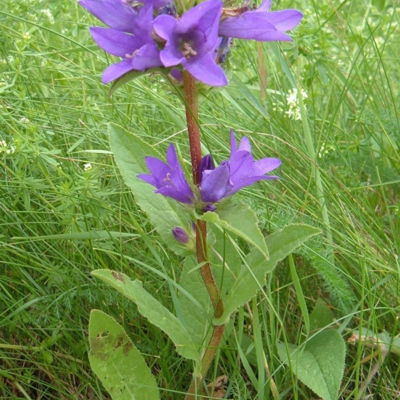
- Attractive to bees and butterflies.
- Violet perennial, blooms June-Sept.
The Clustered Bellflower erupts with clusters of vivid violet-blue flowers. These perennial flowers are beckoning to bees and butterflies and are ideal to add to any rockery.
- Height: 40 - 50 cm
- Requires: Dry Grassland/meadow, edge of woods
- Flowers: June - September
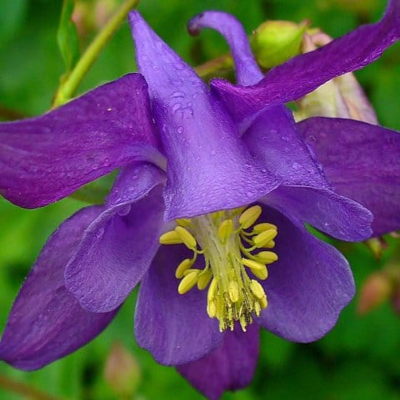
- Prefers damp soils.
- Violet perennial, blooms June-July.
This distinctive perennial is often found at woodland edges and roadsides, long-stalked with long-spurred blue-violet flowers. Aquilegia plug plants attract bees and butterflies.
- Height: 60cm
- Requires: Damp woods, dry and damp grasslands
- Flowers: June - July
- Attractive to pollinating species.
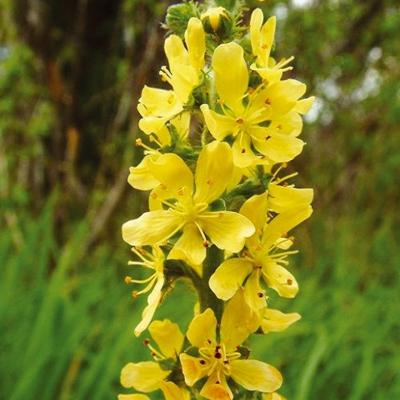
- Yellow perennial, blooms June-Sept.
The Common agrimony plug plant is known as church steeples, good for a sunny border. It has slender tapering spikes of yellow, star-shaped flowers and finely cut leaves. As well as luring pollinators, wild birds struggle to resist!
- Height: 40 - 80cm
- Flowers: June - September
- Soil Requirement: Well-drained, neutral
- Light Requirement: Full sun
- Common on banks and roadsides.
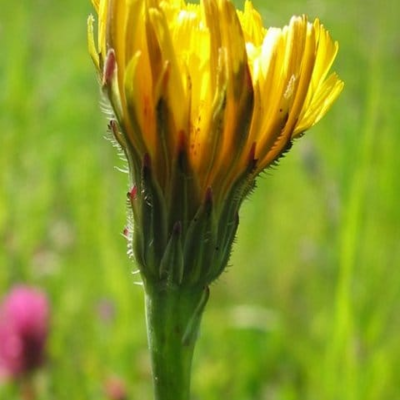
- Yellow perennial, blooms May-Sept.
This perennial plug plant makes a good meadow component with its rich yellow flowers and dandelion-like seed heads.
- Height: 30 - 45cm
- Flowers: May - September
- Soil Requirement: Well-drained
- Light Requirement: Full sun and partial shade
- Commonly found in lawns.
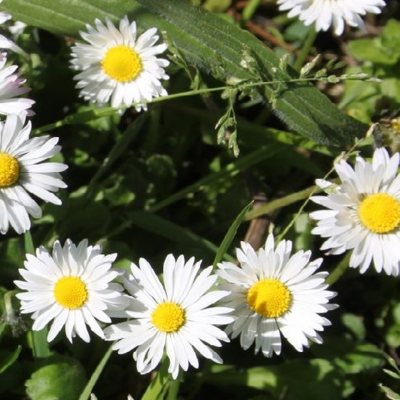
- White perennial, blooms all year.
Perennial. Common daisy is one of the best-known lawn wildflowers.
- Height: 4-6cm
- Requires: Sun
- Flowers: All year
- Ideal component for sunny meadows.
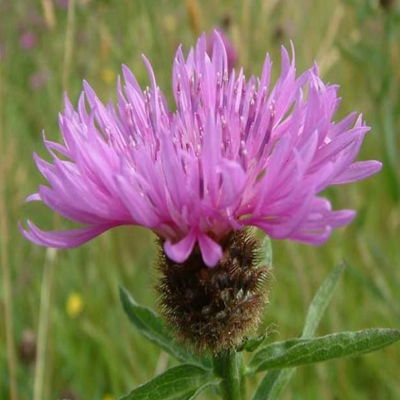
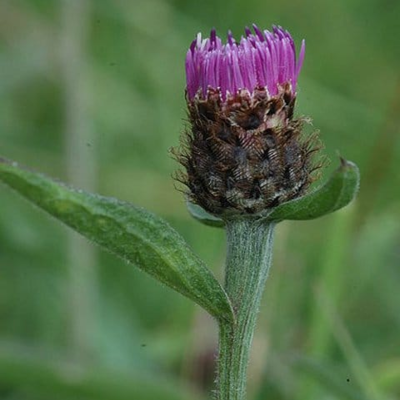
- Purple perennial, blooms June-Sept.
Common knapweed or hardheads is a colourful meadow wildflower plant of the thistle family. Tight purple flowers, with lance-shaped leaves. Forms dense clumps over time, ideal for sunny meadows and hedgebanks. A great bee plant, and a goldfinch magnet in the autumn.
- Height: 30 - 60cm
- Flowers: June - September
- Soil Requirement: Well-drained
- Light Requirement: Full sun and partial shade
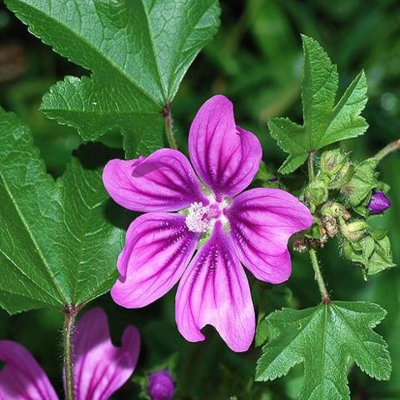
- Flourishes in direct sunlight.
- Pink perennial, blooms June-Sept.
Common mallow is a very ornate, tough plant with an abundance of pink/purple flowers. To get the best from this pretty plant place in full sun and in well-draining soils.
- Height: 30 - 90cm
- Flowers: June - September
- Soil Requirement: Well-drained
- Light Requirement: Full sun
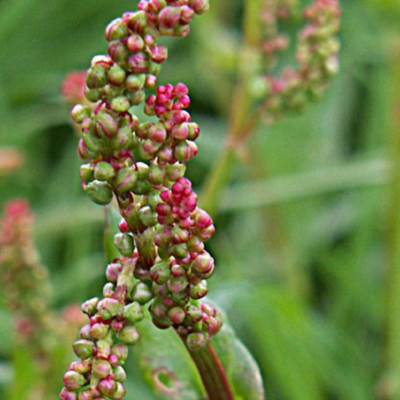
- Vital component for diverse meadows.
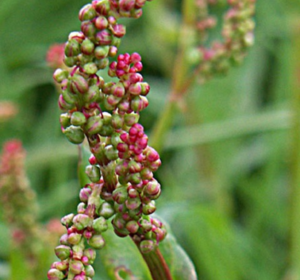
- Red perennial, blooms May-Aug.
Common sorrel is a vital component of meadows with its reddish-pink flower spikes, arrow-shaped leaves turn crimson.
- Height: 15 - 60cm
- Flowers: May - August
- Soil Requirement: Well-drained
- Light Requirement: Full sun
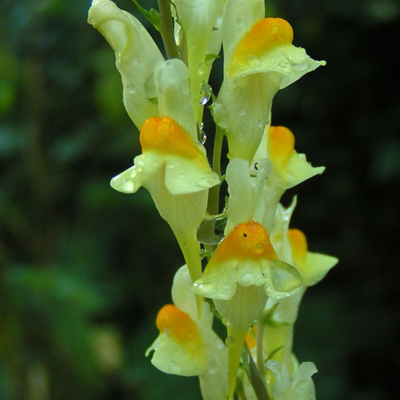
- Commonly found in wasteland.
- Orange perennial, blooms July-Oct.
This perennial plant of meadows and hedgerows begins to blossom in June and the flowers have been known to linger until November. Common toadflax produces orange and pale yellow snap-dragon flowers.
- Height: 30 - 60cm
- Requires: Sun and light shade
- Flowers: July - October
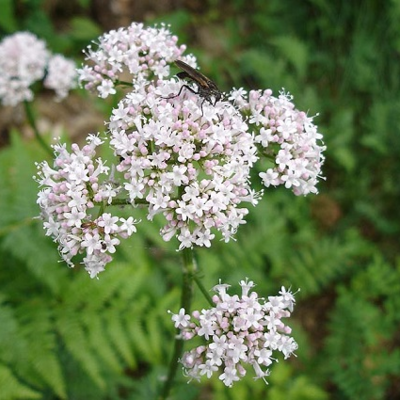
- A tall, proud pale pink flower.
- Pink perennial, blooms June-Aug.
Standing proud on their tall stems, the delightful pale pink flowers open in clusters in early summer. Used as a medicinal herb since as early as ancient Greece and Rome.
- Height: 15 - 75cm
- Requires: Damp
- Flowers: June - August
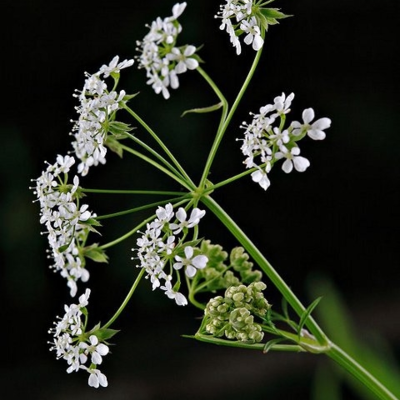
- Flowers can be made into green dye.
- White perennial, blooms April-June.
Cow parsley is generally located on the edges of hedgerows or semi-shaded meadows. Also known as wild chervil, keck or wild beaked parsley both the leaves and flowers can be made into a green dye.
- Height: 60 - 90cm
- Requires: Sun
- Flowers: April - June
Our ready-to-plant wildflower plug plants offer a quick, reliable way to establish wildflower areas.
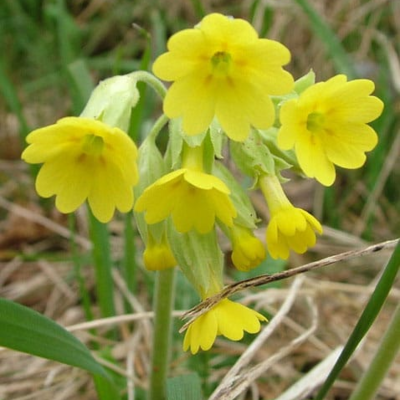
- Source of nectar for pollinators.
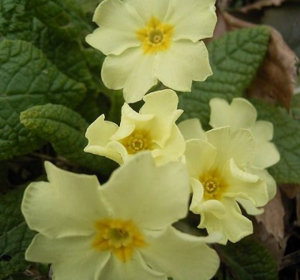
- Yellow perennial, blooms April-May.
A beautiful native perennial wildflower plant growing in grassland and meadows. The deep yellow flowers are grouped on upright stalks growing from rosettes of crinkled leaves. Cowslip wildflower plants are a good nectar source for butterflies and bees. Cowslips are the food plants of the caterpillars of the Duke of Burgundy Fritillary.
- Height: 10 - 30cm
- Requires: Dry grassland & scrubland
- Flo...
Wildflower Plug Plants FAQs
What Are Wildflower Plug Plants?
Wildflower plug plants are young, pre grown native wildflowers raised in small cell trays and ready to plant straight into gardens or landscape projects.
They offer a simple way to establish wildflowers without waiting for seed to germinate or worrying about early stage losses. Each plug is already rooted and grown from UK native seed, which means it is well adapted to local conditions and settles quickly once planted.
Plug plants are ideal when you want predictable results or when seed sowing may struggle, such as on compacted soil or in areas with heavy weed competition. They are widely used in schools, wildlife projects, new gardens, and rewilding schemes because they allow a display to take shape far sooner than sowing from seed alone.
What Types of Wildflower Plug Plants Are Available?
You can choose from individual wildflower plug species, themed collections, and specialist mixes that include annuals, perennials, and bee friendly combinations.
Annual plug plants provide quick seasonal colour, while perennial plugs offer long term flowering and return year after year with minimal maintenance. Bee and butterfly mixes focus on nectar rich species that support wildlife from spring through to autumn.
Curated collections are also available for colour focused displays, habitat restoration, or specific project needs. Both single species trays and ready made mixes make it easy to create a planting scheme that suits your space.
For larger areas or instant coverage, wildflower turf can also be used alongside plug plants, allowing different establishment methods to work together.
Why Choose Plug Plants Over Wildflower Seeds?
Plug plants are a strong choice when you want reliable results, faster establishment, or more control over how a planting area develops, particularly in smaller gardens or difficult soil conditions.
Because each plant is already established, you can position borders, fill gaps, or create pollinator patches knowing exactly where each species will grow. This level of control is difficult to achieve with seed alone.
Plugs are especially useful where weeds are persistent, soil preparation is limited, or conditions such as shade, foot traffic, or uneven ground make germination unreliable. They also work well as infill for seeded areas, boosting colour and density while slower growing perennials mature.
Many gardeners choose plug plants for sensory gardens, wildlife corners, and school projects because the plants settle quickly and visible results appear within the first growing season.
When and How Should I Plant Wildflower Plugs?
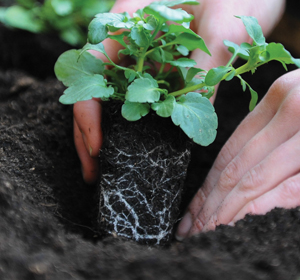
Wildflower plugs should be planted in spring or autumn into clean, weed free soil, with even spacing and thorough watering after planting.
The main planting periods in the UK are March to May and September to October, when soil warmth and moisture help young plants establish quickly. Before planting, remove weeds, loosen the soil, and lightly water the plugs to reduce transplant stress.
Spacing depends on how full you want the area to appear, but planting in a simple grid ensures each plant has room to grow. Water regularly for the first few weeks while roots take hold, then reduce watering once the plants are clearly established.
A light mulch or natural ground cover can help suppress weeds and retain moisture, and adding a small amount of native compost may be helpful on very poor soils.
Are These Wildflower Plugs Suitable for Pollinators?
Yes. All wildflower plug plants grown from UK native seed provide valuable food and habitat for bees, butterflies, hoverflies, and other pollinating insects.
Native wildflowers flower at the right times of year and offer nectar and pollen that local insects recognise and rely on. Perennial plug plants are particularly useful for extending flowering periods and maintaining pollinator activity across multiple seasons.
These plugs are an effective way to add instant structure to pollinator gardens, wildlife projects, and rewilding schemes. They work equally well in private gardens and community spaces where biodiversity is a priority.
For targeted planting, wildflowers for bees collections include species chosen specifically for their proven value to pollinators.
What are plug plants used for?
Plug plants are used to establish wildflower areas quickly and reliably. They are suitable for garden borders, pollinator patches, school grounds, and rewilding projects, providing instant structure and faster results than seed.
Do I need to prepare the soil before planting plug plants?
Yes. Remove weeds, loosen the soil so roots can spread, and water both the soil and plugs before and after planting. Good preparation helps plants establish properly.
Can I plant plug plants in containers or pots?
Yes. Plug plants grow well in pots, tubs, and balcony planters and are an easy way to create pollinator friendly displays in smaller spaces.
How many plug plants do I need?
Most people use around five to ten plugs per square metre for light coverage, or ten to twenty per square metre for a fuller display. The exact number depends on how quickly you want the area to fill out.
Can I mix plug plants with wildflower seeds?
Yes. Combining both methods works well. Plug plants provide early colour and structure, while seed fills gaps over time, particularly for slower growing perennial species.
Buy With Confidence
Landlife Wildflowers grow and supply high-quality, native wildflower products, restoring wildflowers right across the UK. Working in conjunction with wildlife charity, Buglife, we’re bringing back Britain’s treasured wildflowers! Find out more about why we’ve been trusted by the general public, Natural England and The National Trust for over twenty years.
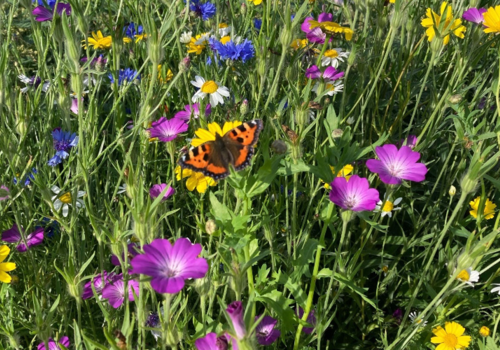
We’re proud to supply only the highest-quality, native wildflower products - tried, tested and refined by us for two decades to ensure each and every customer is delighted with their purchase. Find out more about our commitment to the supply of native, provenance-assured wildflower products to restore Britain’s natural wildflower habitats for bees, butterflies, birds and wildlife.
If you have any questions or would like to get in touch, our team of wildflower experts are on hand to guide you every step of the way. We love talking about wildflowers and the quality of our products, and are pleased to help with any enquiry, including how to establish wildflowers, product recommendations and even creating custom mixtures for specific projects.